
Last updated November 15, 2026
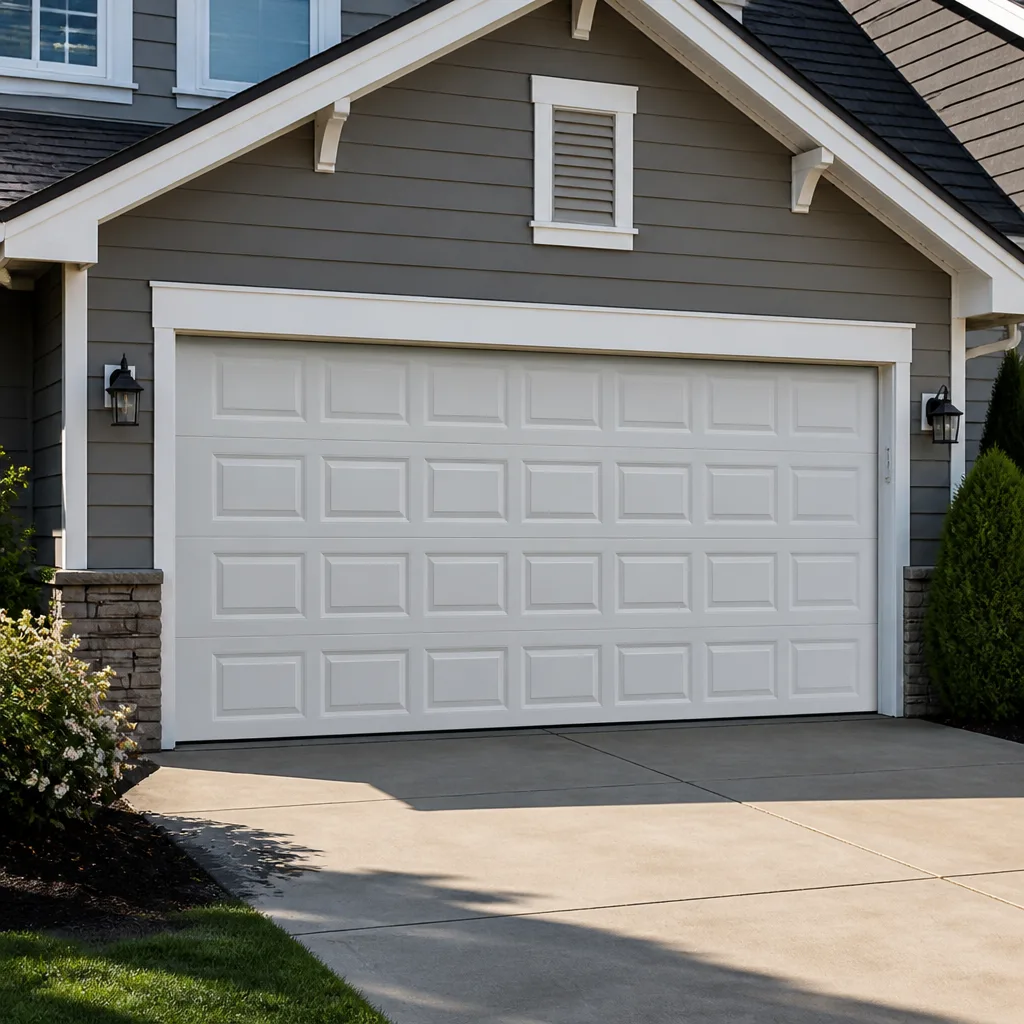 Raised-panel steel
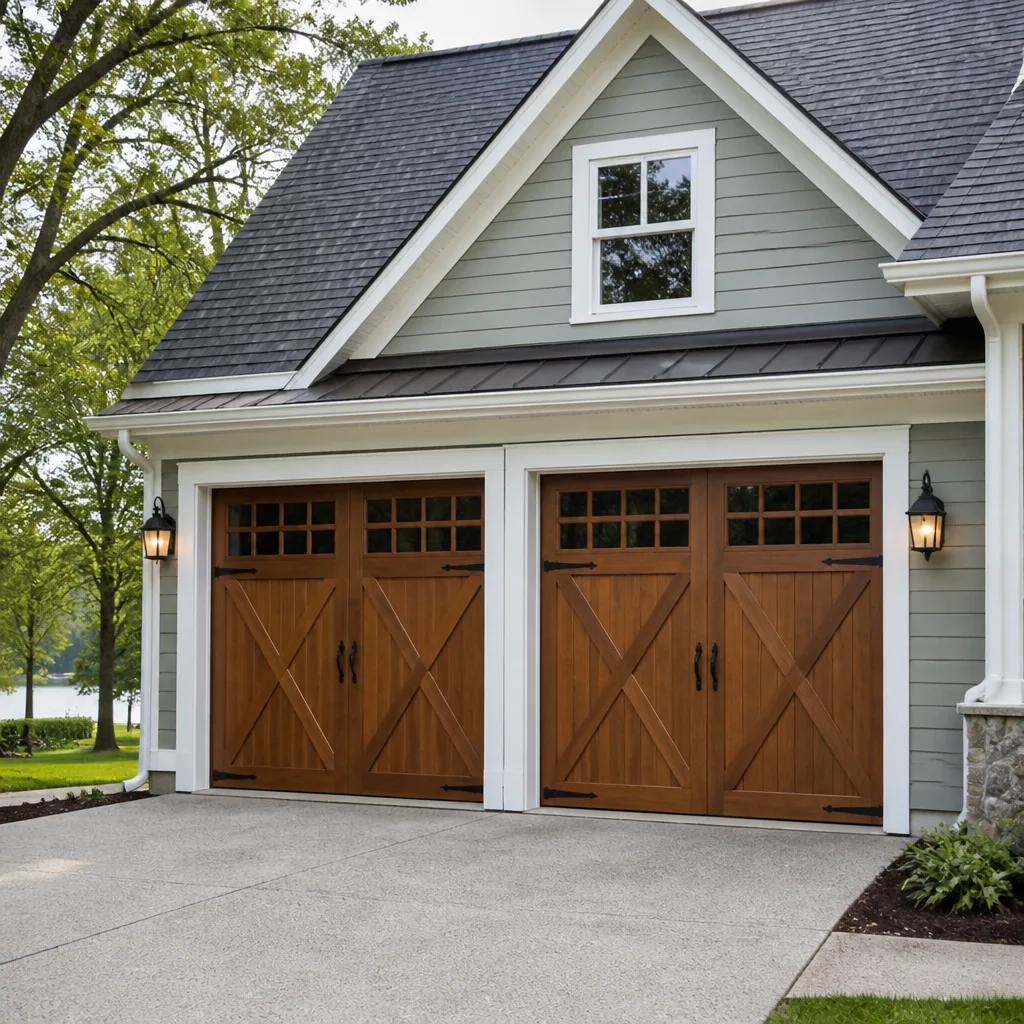 Carriage house
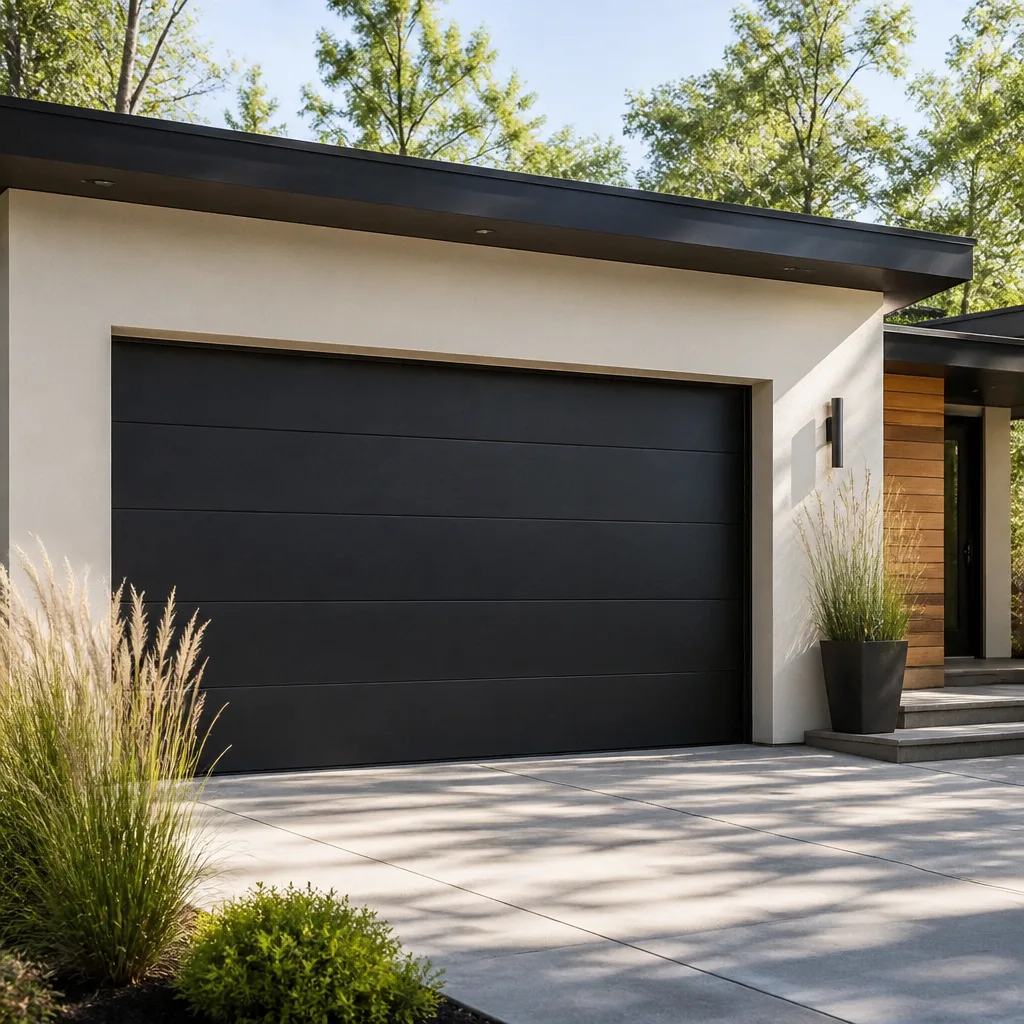 Modern flush
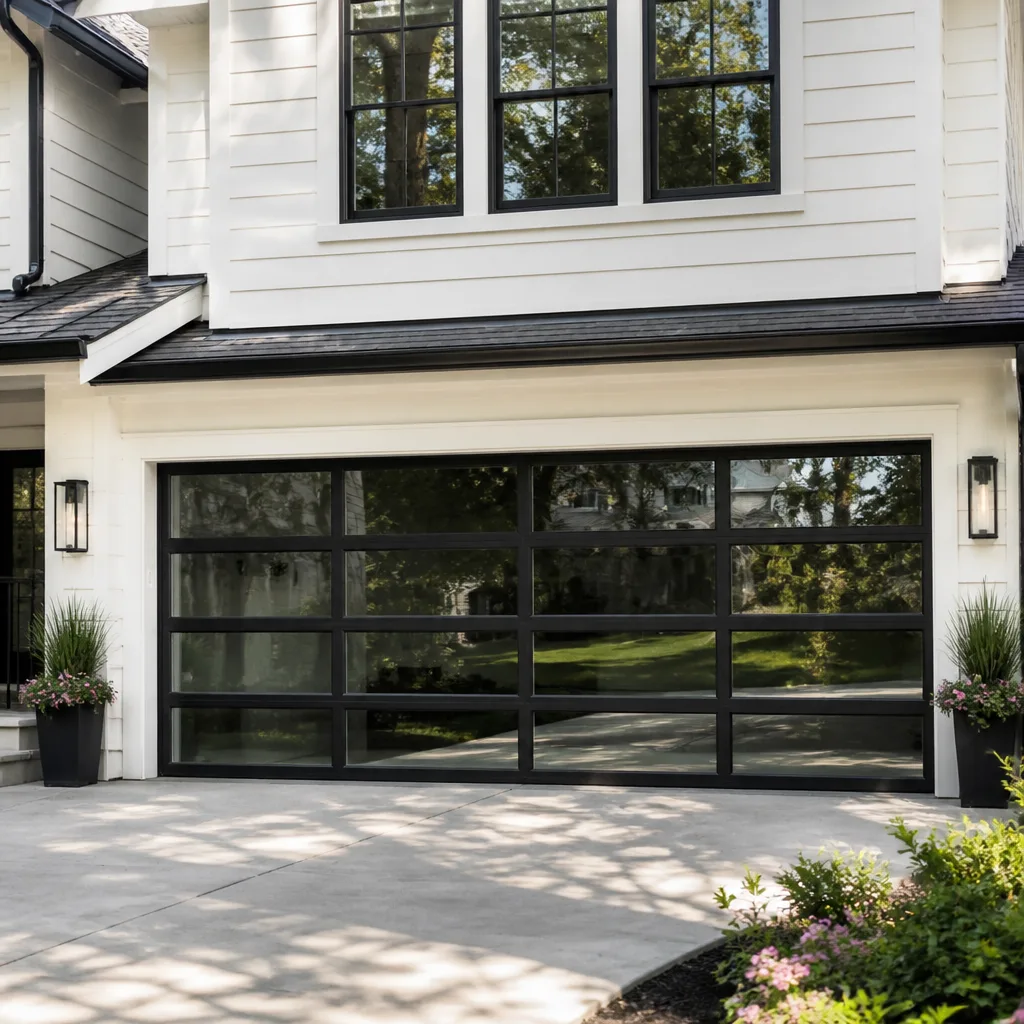 Full-view glass
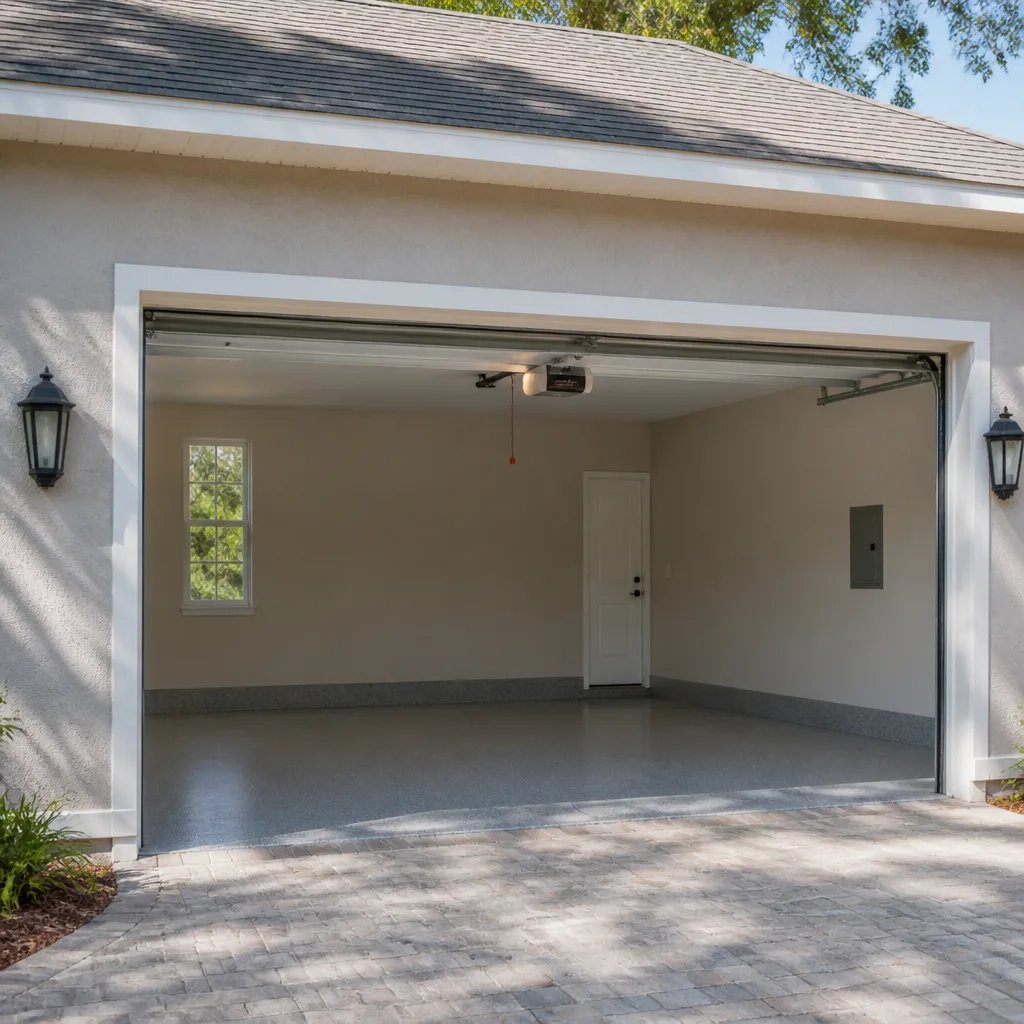 LiftMaster openers
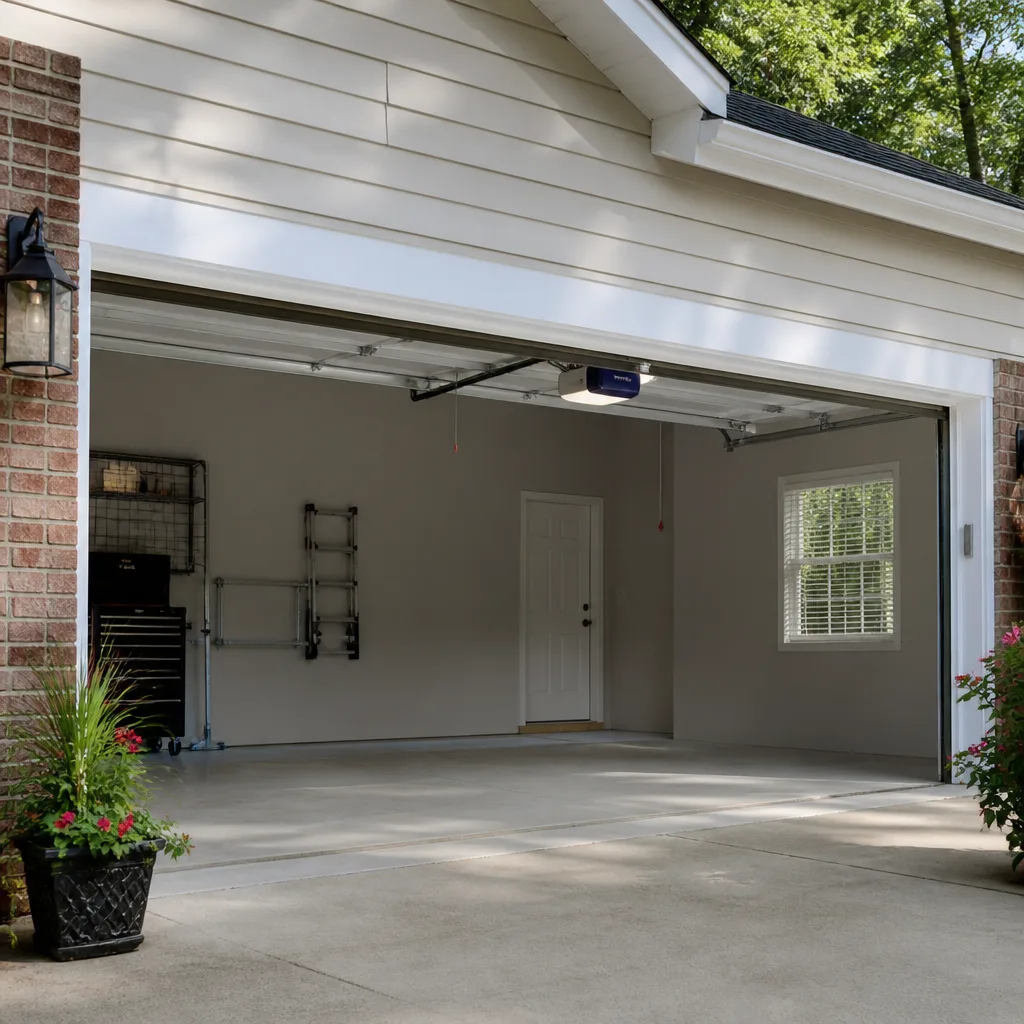 Chamberlain openers
Full 25-point door and opener safety check with every visit - springs, cables, rollers, tracks, and your LiftMaster or Chamberlain opener included
You get a price before we start. It does not change when the pro arrives.
Get your free estimateGarage Door Cost Breakdown: The Syracuse Homeowner’s Reference for 2026
The $800 garage door you see advertised almost never ends up at $800 by installation day. Not because contractors are dishonest, but because the advertised number is a stripped-down panel price: it usually leaves out the spring system, the opener compatibility check, haul-away of the old door, and the new bottom seal your existing track makes necessary. In Syracuse, where lake-effect snow loads the door every winter and the freeze-thaw cycle works on steel and seals alike, those left-out layers matter more than the sticker. This guide breaks the real cost into its actual layers: door, hardware, opener, labor, disposal, and the “discovered” costs nobody quotes upfront. You’ll learn which upgrades are worth the money and which simply pad a margin.
Quick Answer
A full garage door replacement in Syracuse typically runs from about $900 to $2,200 for a standard single door installed, and $1,400 to $3,500 for a double, depending on material, insulation grade, and whether the opener needs work. A professional spring replacement is one of the least expensive line items at roughly $250 to $450 per spring, though matched pairs are usually replaced together. The written estimate you receive before any work starts is always the final word on the price.
Table of Contents
- The Real Cost Has Six Layers
- Realistic Syracuse Price Ranges by Line Item
- How Insulation, Thickness, and Steel Gauge Change the Price
- What Syracuse Labor Costs Reflect
- Repair-First vs. Replacement: Finding the Crossover Point
- How to Get Quotes That Are Actually Comparable
- Common Mistakes to Avoid
- Frequently Asked Questions
The Real Cost Has Six Layers
Most garage door quotes collapse six separate costs into one number, and that’s exactly why comparing two quotes feels like comparing two languages. When you can see the layers, you can see what you’re actually buying. Here’s how a typical replacement breaks down.
- The door panel itself. This is the single largest line item and the one most advertised prices describe. A basic uninsulated steel door sits at the low end; an insulated door with a heavier steel skin and a better weather seal climbs quickly.
- The spring system. Torsion springs, cables, drums, and the center bearing all wear together. On a replacement, they’re new as a set. On a repair, they’re the part that actually failed. Spring work is priced per spring, and a matched pair is typically replaced together.
- Hardware and track. Hinges, rollers, brackets, and the horizontal and vertical track. In Syracuse, track alignment shifts with the ground through freeze-thaw, so the installer often re-levels or replaces sections the homeowner didn’t know were bent.
- The opener. If your existing opener isn’t compatible with the new door’s weight or travel, or if it’s an older unit that can’t be paired with the new safety sensors, it becomes a line item. Some doors pair cleanly with what you have; others don’t.
- Labor. Set by the local market and the complexity of the install. A straight single-door swap on a level opening is a shorter job than a double door on a sloped or sagging header.
- Disposal and discovered costs. Hauling away the old door and panels, plus anything the installer finds once the old door is down: rotted jamb boards, a bent flag bracket, a sill that’s been leaking for years. These are the honest wildcards.
The reason a $800 ad becomes a $1,600 invoice isn’t usually sneaky. It’s that the ad quoted layer one and the job needed all six. Ask for every layer in writing.
Realistic Syracuse Price Ranges by Line Item
Here’s what the layers look like as estimated ranges for the Syracuse market in 2026. Treat every number as a guide, not a quote: your written estimate sets the actual price for your door, your opening, and your house.
| Line item | Typical estimated range | Notes |
|---|---|---|
| Single-door panel (uninsulated steel) | $700 – $1,200 | Entry-level Clopay or Craftsman-style lines |
| Single-door panel (insulated) | $1,200 – $1,800 | Better for Syracuse winters |
| Double-door panel (insulated) | $1,800 – $2,800 | Amarr, Wayne Dalton, Clopay mid-to-premium |
| Spring replacement (per spring) | $250 – $450 | Matched pairs usually replaced together; roughly double |
| Opener replacement (belt drive, smart-compatible) | $350 – $650 | LiftMaster, Chamberlain, Genie |
| Opener repair (sensor, board, remote) | $120 – $300 | Diagnosis determines the fix |
| Roller / hinge refresh | $100 – $250 | Often bundled with spring work |
| Bottom seal replacement | $80 – $200 | Common after Syracuse freeze-thaw |
| Track adjustment or partial replacement | $150 – $450 | Depends on how far out of alignment |
| Labor (install) | $400 – $900 | Reflects complexity and access |
| Haul-away and disposal | $75 – $175 | Ask whether it’s included |
Add it up on a mid-range single-door replacement and you land somewhere between $2,000 and $3,500 installed with opener and disposal. A straight spring repair stays under $500. Those are the two ends of the spectrum, and the large gap is the whole reason a written, itemized estimate matters. For a repair-sized problem, our garage door repair service is quoted per job, and the estimate is free.
How Insulation, Thickness, and Steel Gauge Change the Price
Insulation is where garage door pricing stops being linear. A jump from an uninsulated single-layer door to a two-layer insulated door might add a couple hundred dollars and deliver a genuinely warmer garage through a Syracuse winter. A further jump to a three-layer door with a heavier steel gauge and a thermal break might add several hundred more for a smaller real-world gain in a house where the garage is used mainly for parking.
When insulation is worth it in Syracuse:
- The garage shares a wall with living space. An attached garage next to a bedroom or family room is the clearest case. Warmer, quieter, better.
- You use the garage as a workspace or gym. Buffalo-nearby cold aside, our winters make an uninsulated garage unpleasant from December through March.
- You’ve noticed condensation on the door in cold snaps. That’s often the uninsulated panel talking.
- Street-facing curb appeal matters. Insulated panels are often deeper and better looking.
When it’s a margin pad rather than a benefit:
- Detached, unheated garage you use for storage. The insulation gains you little the building itself doesn’t already have.
- A heavy-gauge commercial-grade panel on a low-traffic door. You pay for impact resistance your cul-de-sac doesn’t test.
- Premium window inserts and decorative hardware on a door facing the side yard. Lovely, but nobody sees it.
The honest answer varies by house. Because we work across Clopay, Amarr, Wayne Dalton, and Craftsman, we can tell you which grade actually fits your opening and budget rather than steering you to the tier a single manufacturer pushes.
What Syracuse Labor Costs Reflect
Labor is where a quote tells you the most about the contractor. In Syracuse, labor reflects four things: how far the installer travels to reach you, whether they carry the right hardware for a door system found throughout Central New York, how much prep the opening needs after a hard winter, and whether their quote carries a real margin for warranty and callback work. A quote that looks $300 lighter than everyone else has usually shortened one of those.
A suspiciously low quote is a risk signal, not a bargain. Watch for these patterns:
- No written scope. A verbal “we’ll do the whole thing” leaves the door’s condition, the spring set, and disposal undefined.
- Springs priced at half the local rate. Sometimes it’s a lighter-duty spring that will cycle out sooner than a standard one. Ask for the cycle rating in writing.
- Disposal “handled separately.” Translation: you’re hauling a door to the curb yourself, or paying whoever shows up next.
- No mention of opener compatibility. A door changes weight and travel. Sometimes the old opener is fine; sometimes it isn’t. A quote that assumes “fine” without checking is gambling with your money.
- Pricing promises before anyone has seen the door. The price should come from the written estimate after a look, not a number texted over before anyone has measured the opening.
Our technicians have up to 10 years of experience, and we’ll say plainly what a job needs and why. If it’s an opener problem specifically, our garage door opener repair covers LiftMaster, Chamberlain, Genie, and other leading brands with the same brand-agnostic approach.
Repair-First vs. Replacement: Finding the Crossover Point
When a door hits the 10-to-15-year mark, the honest question isn’t “repair or replace?” It’s “what does the next two years of this door actually cost, versus a new one?” Work out a rough two-year number for the door you already own. Add up the likely repairs: a spring set, a bottom seal, maybe a roller and hinge refresh, possibly a sensor on the opener. Add the inconvenience of each separate visit. Now compare that to the cost of a replacement plus the warranty you’d have on new hardware.
The crossover lands differently in every house. A practical framework:
- Count the age and the repair history. If the door has had two or more repairs in the last two years, replacement starts to make sense.
- Inspect the door panel itself. A dented, rotted, or delaminated panel on a good frame is usually a replacement job, because panels don’t get cheaper to fix.
- Check the opener separately. An opener that’s failing on a solid door is an opener repair, not a new-door project.
- Price the two-year repair path honestly. Include expected replacements, not just today’s failure.
- Price a replacement with door, hardware, opener, labor, and disposal. Compare total cost, not just the panel price.
- Account for what you get back. A new insulated door is a meaningfully better winter for an attached garage, which is a benefit you can’t repair into an old door.
When a door is 10-to-15 years old and facing a $600 to $900 repair bill in a single season, replacement is often the cheaper long-run path. When it’s a single spring on an otherwise solid 12-year-old door, repair wins comfortably. We’ll price both for you and tell you which is the better fit, which is the benefit of a single provider doing repair and Southgate Garage Door Service installation.
How to Get Quotes That Are Actually Comparable
Two quotes for the same door can’t be compared unless they cover the same line items. Before you sign anything, require every quote to list the following, in writing:
- Door make and model (e.g., Amarr Stratford, Clopay Classic, Wayne Dalton 9100). A vague “steel door” is not a quote.
- Insulation grade and steel gauge stated as a number, not “premium.”
- Spring type and cycle rating spelled out, and whether the price is per spring or a matched pair.
- Opener compatibility statement. Either “existing opener verified and adequate” or “new opener required: make and model.”
- Rollers, hinges, and track listed as new, reused, or re-adjusted.
- Disposal and haul-away as a clearly stated yes or no.
- Warranty terms: door, springs, opener, labor. Ask for each separately; they’re rarely the same length.
- Total price with a line-item breakdown, plus a written confirmation that no additional work happens without your approval.
In Syracuse, it’s also worth asking each contractor what they do when a winter install finds snow build-up at the opening or a frozen sill. A contractor who quotes the same number regardless has either priced a cushion into every job or intends to add one later. Ask, and get the answer in writing. Then ask who’s responsible if a discovered cost appears: you approve it first, or the installer proceeds and bills after? The answer is the difference between a predictable project and an invoice surprise.
Styles & brands we work with
- Raised-panel steel
- Carriage house
- Modern flush
- Full-view glass
- LiftMaster openers
- Chamberlain openers
Where Syracuse’s Weather Actually Shows Up in the Bill
Central New York winters are not a marketing angle here. They’re a real line in the cost sheet. Lake-effect snow and the freeze-thaw cycle push a few items up more often than in milder markets.
- Bottom seals go faster. The rubber that seals the door to the sill takes the worst of the slush, and it cracks or pulls away about every few years. Budgeting a seal replacement alongside your spring work saves a separate visit later.
- Track and header shift. Ground movement between freeze and thaw can knock a track out of plumb. A door that comes to a stop unevenly after a cold snap is often telling you the track needs a re-level, not a new door.
- Condensation and rust on steel panels. Warm, moist air against a cold panel accelerates rust at the bottom seam. A heavier-gauge steel panel with a proper finish holds up better across a Syracuse January than a thin-skinned entry model.
- Snow banks and plow damage. Even a careful driveway can take a knock to the door face when the plow puts snow against it. That’s a panel assessment, and it’s often cheaper to repair a single panel than replace a whole door.
None of this argues for a bigger door. It argues for buying the right grade the first time. When your door is being replaced anyway, a modestly better steel gauge and a real insulated core pay for themselves in comfort and durability across Syracuse winters, which is a practical budget argument, not a sales one.
The Opener Question Nobody Quotes
Your opener is a compatibility check disguised as a line item. Every new door has a weight and a travel distance, and every opener is rated for a range of both. A new insulated double door is heavier than the uninsulated door it replaced, and an older opener may not have the lift capacity for it safely. This is where a quote can quietly diverge by $500.
Ask the questions that make the answer concrete:
- What’s my opener’s lift rating vs. the new door’s weight? If the door is heavier than the opener’s published range, it needs replacing.
- Will the new door travel farther than the old one? An opener’s rail and travel distance are often set for a specific door height.
- Does my opener support modern safety sensors? New doors require functioning sensors, and old openers that aren’t compatible with them aren’t safe to leave in place.
- Is a smart-compatible or battery-backup opener worth it here? For some homeowners yes (app control, backup power during a Syracuse winter outage); for others, it’s a nice-to-have. Ask for a real comparison, not an upsell.
The safest openers are mounted and adjusted by a technician. Springs are under extreme tension. Cables can snap. Wiring at the opener head and at the panel is not a task for anyone without the right training. A qualified technician does the work; you make the decisions about which system you want.
Common Mistakes to Avoid
- Comparing quotes on the panel price alone. Two quotes $500 apart often differ on opener compatibility, disposal, or spring quality. Line items are the comparison; totals aren’t.
- Replacing one spring of an old pair. Springs wear evenly. Replacing one leaves the older one to fail soon, and you pay for the trip twice.
- Skipping the opener check before choosing a door. A heavier door purchased without a compatible opener can mean a return visit and a second cost. Confirm compatibility in writing first.
- Choosing a contractor purely on the lowest bid. In Syracuse, the lowest quote often hides a lighter spring, no disposal, or no opener review. Ask what’s missing.
- Letting “discovered” costs happen without approval. Rotted jamb boards and bent tracks happen, but you should approve any addition to the quote before work continues, not find it on the invoice.
- Ignoring the bottom seal through winter. A failed seal lets in snowmelt, which corrodes the bottom seam and can soak the sill. It’s an inexpensive fix on its own; it’s not when it’s been ignored all season.
- Forgetting that a free measure and written quote are standard. A contractor who wants a deposit before measuring the door, or who won’t put the scope in writing, is telling you something.
When to Call a Professional
Call for a professional assessment when a spring breaks (the door becomes extremely heavy and dangerous to lift), when the door moves unevenly or stops partway, when the opener reverses on its own or the sensors won’t stay aligned, when the door comes off its track, or when a major winter impact leaves a panel dented or the track bent. Springs, cables, and opener wiring are dangerous to handle without training, so keep the door closed and let a technician take it. Replacement planning is a separate call, best made after the door is measured. Southgate Garage Door Service offers free estimates in Syracuse, and the price is quoted and agreed before any work begins. Call (855) 360-7984.
Frequently Asked Questions
Most Syracuse homeowners should budget roughly $900 – $2,200 for a standard single door installed and $1,400 – $3,500 for a double, with the higher end reflecting insulated doors, heavier steel gauge, and an opener. The written estimate sets the final price. Call (855) 360-7984 for an exact quote, which is free.
Advertised prices usually cover only the door panel. A real quote also includes the spring set, cables, hardware, track, labor, and haul-away, and possibly a new opener if the existing one isn’t compatible. A quote that starts closer to the ad is usually missing something; ask which line items are included before deciding a higher quote is overpriced. Call (855) 360-7984 for an itemized free estimate.
Spring replacement is typically $250 – $450 per spring, and because matched pairs wear together, a matched pair is usually replaced together and priced accordingly. That’s one of the least expensive garage door repairs. Call (855) 360-7984 for an exact quote, which is free.
Yes. Our technicians are experienced and insured, and we work with the leading door and opener brands, including Clopay, Amarr, Wayne Dalton, and Craftsman. Every job is quoted in writing before work begins. Call (855) 360-7984 for a free estimate.
Sometimes a written estimate changes a little if a repair-only visit uncovers something hidden, like a bent track or rotted jamb board. When that happens, we stop and quote the extra work for your approval before continuing, so the price stays a decision you make, not a surprise. Call (855) 360-7984 for your free estimate.
Add up likely repairs over the next two years. If the total approaches or exceeds the cost of a replacement door with disposal, replacement is often the cheaper long-run path. On a solid door with a single spring failure, repair wins comfortably. We’ll price both so you can compare. Call (855) 360-7984 for a free estimate.
The Bottom Line
The number at the top of a garage door ad is one of six layers: door panel, spring system, hardware and track, opener, labor, and disposal plus discovered costs. In Syracuse, a realistic single-door replacement lands around $900 – $2,200 installed and a double around $1,400 – $3,500, while a spring repair stays near $250 – $450 per spring. Insulation and steel gauge are worth paying for when they match the way you use the garage, and worth skipping when they don’t. A repair-first approach wins on the young door, replacement wins on the older one, and the only clean way to decide is a written, itemized quote from a contractor who tells you what’s in it and why.
If you’ve got a door you’re not sure whether to fix or replace, get a free estimate from Southgate Garage Door Service. Call (855) 360-7984. We answer 24/7. Fast dispatch from 7am to 7pm, Sunday through Friday. The price is always quoted and agreed before any work starts.
Written by the team at Southgate Garage Door Service.
See the difference
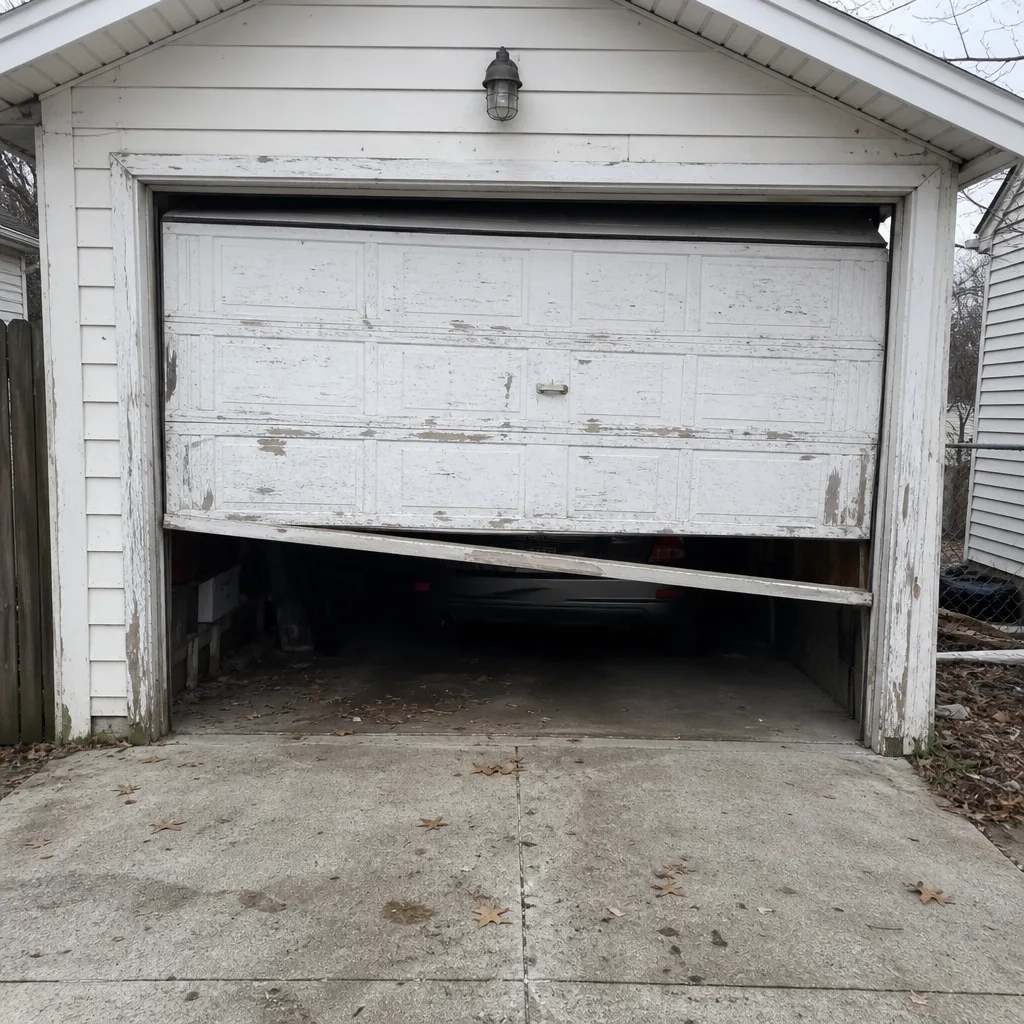 Before
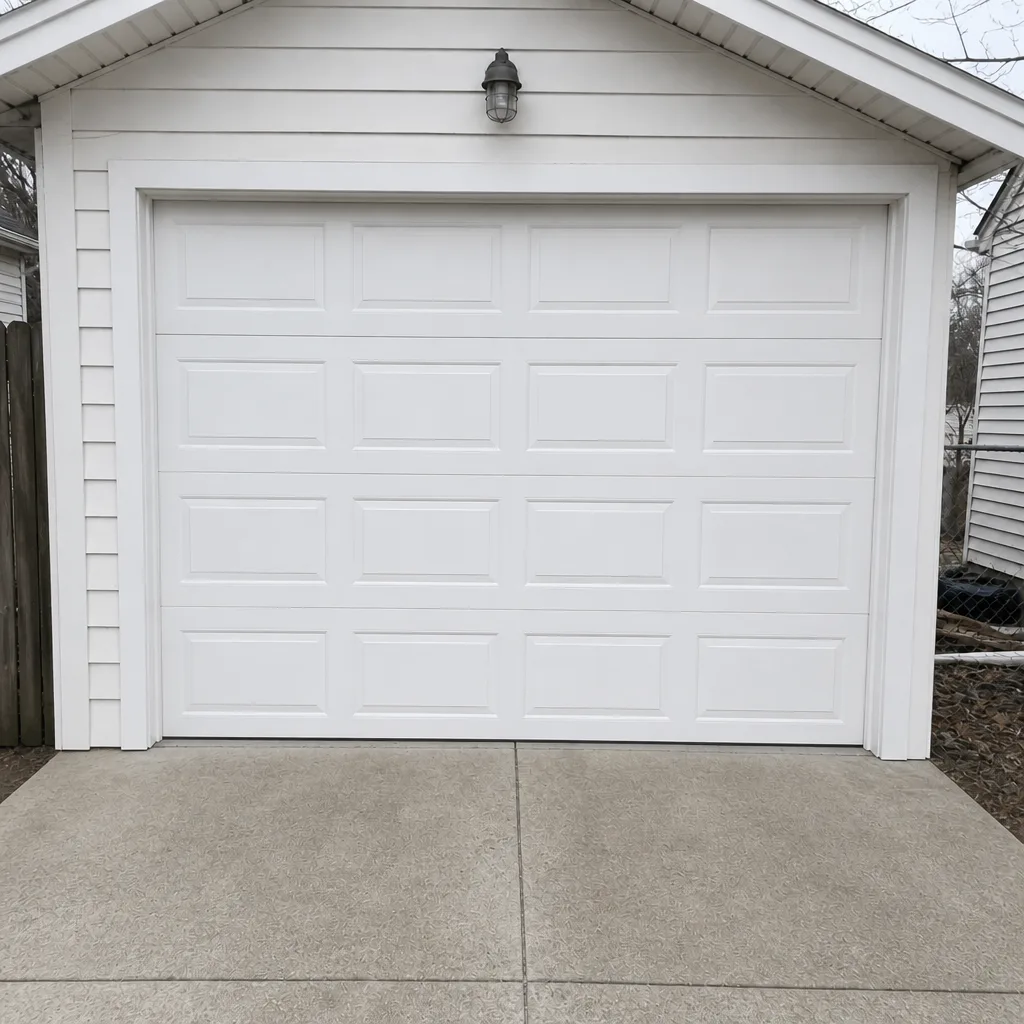 After
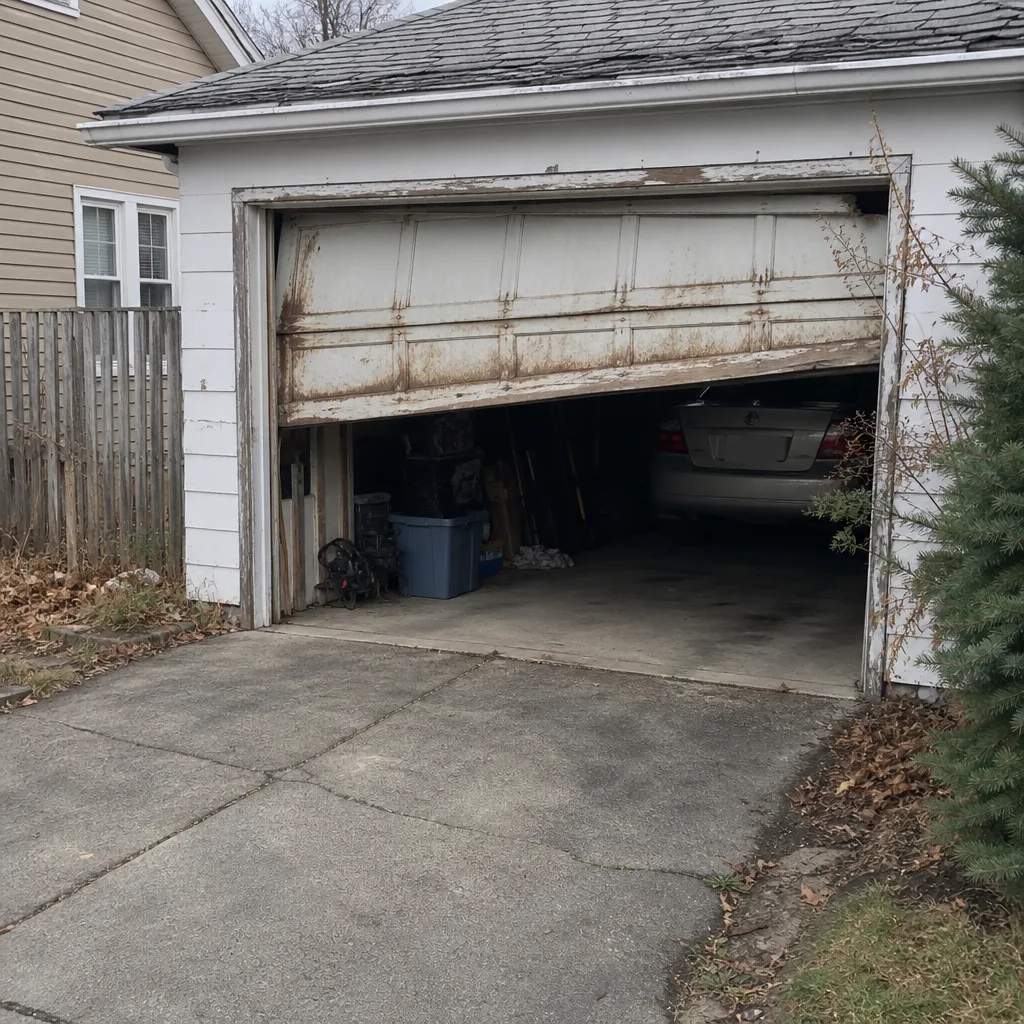 Before
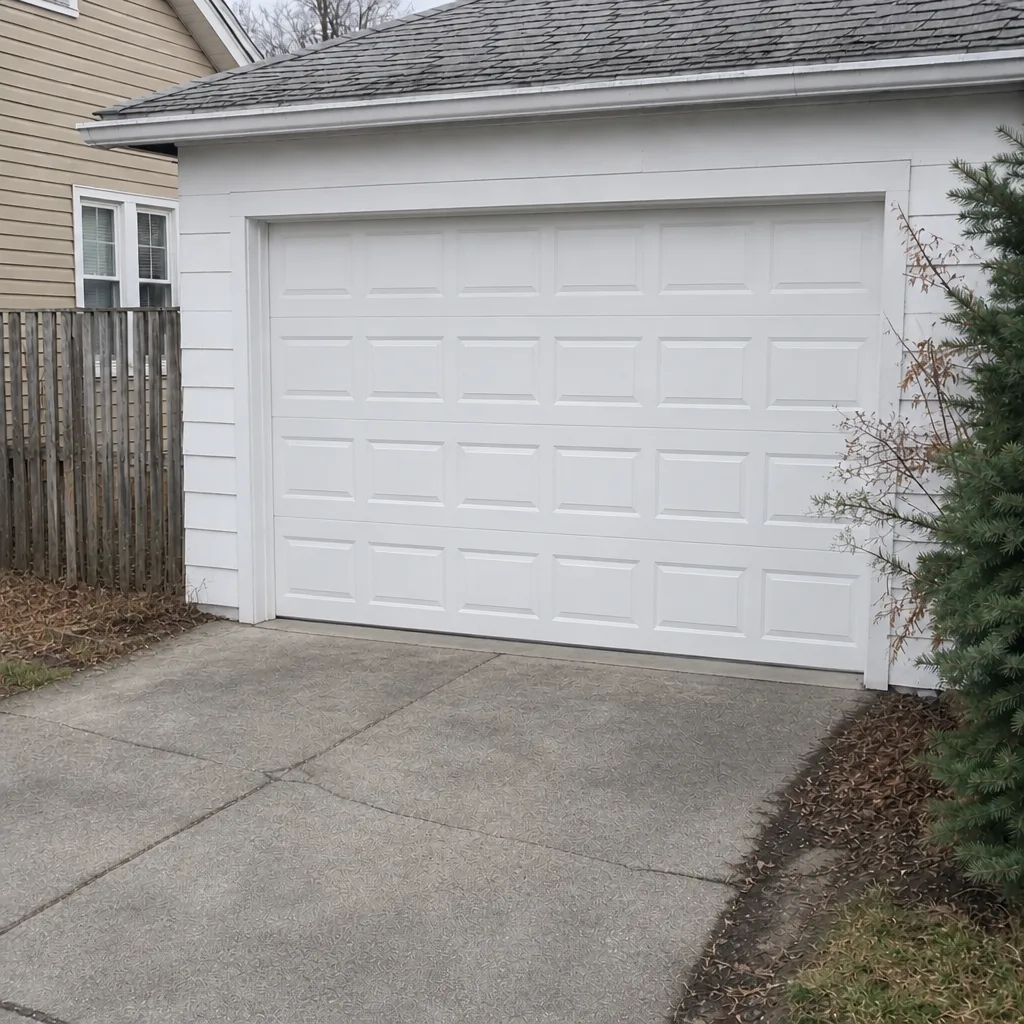 After
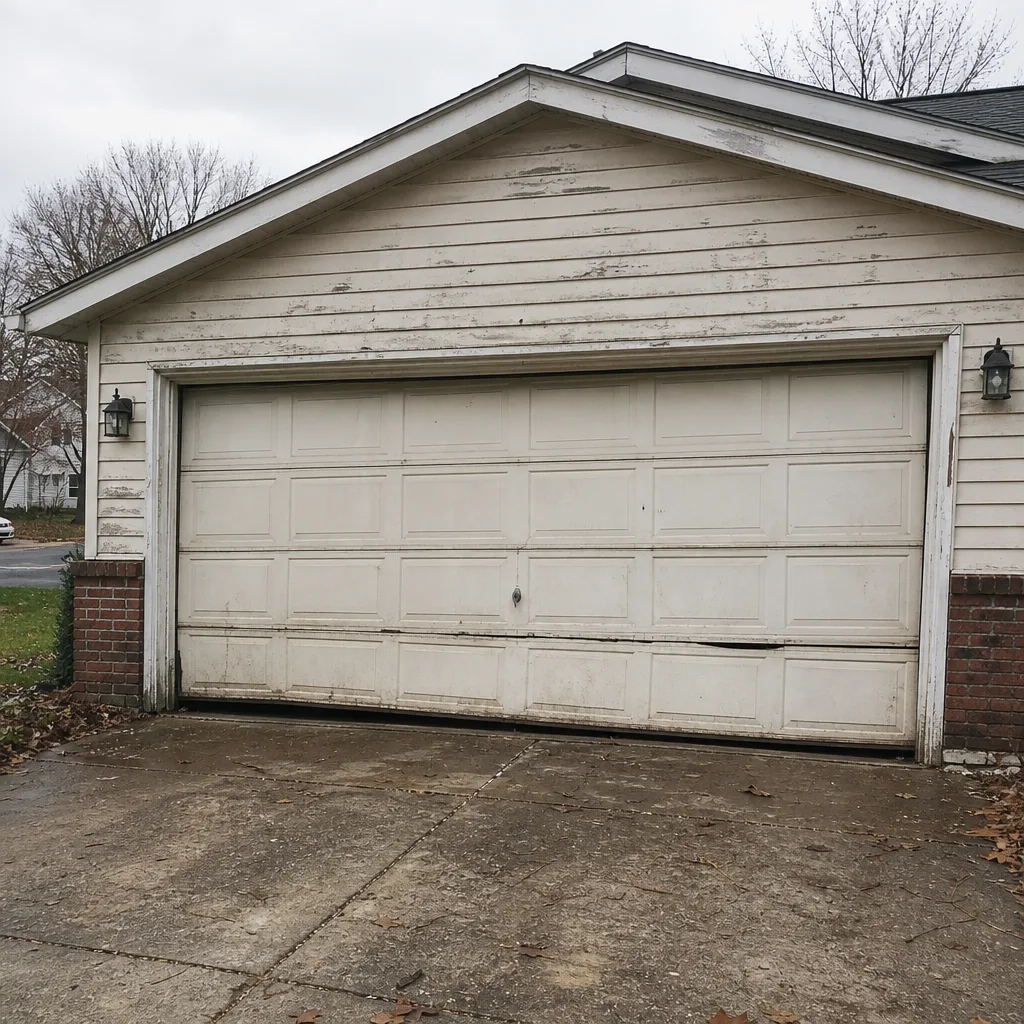 Before
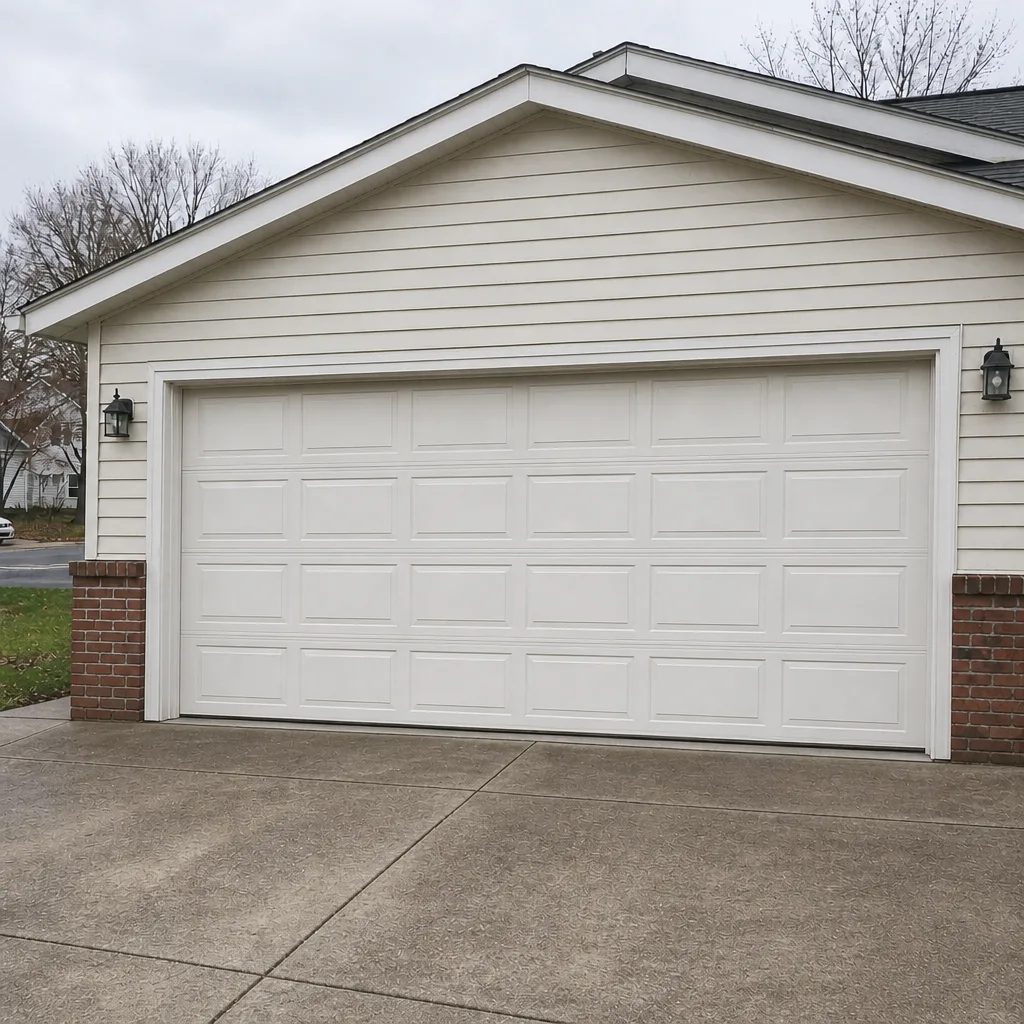 After