
Last updated November 15, 2026
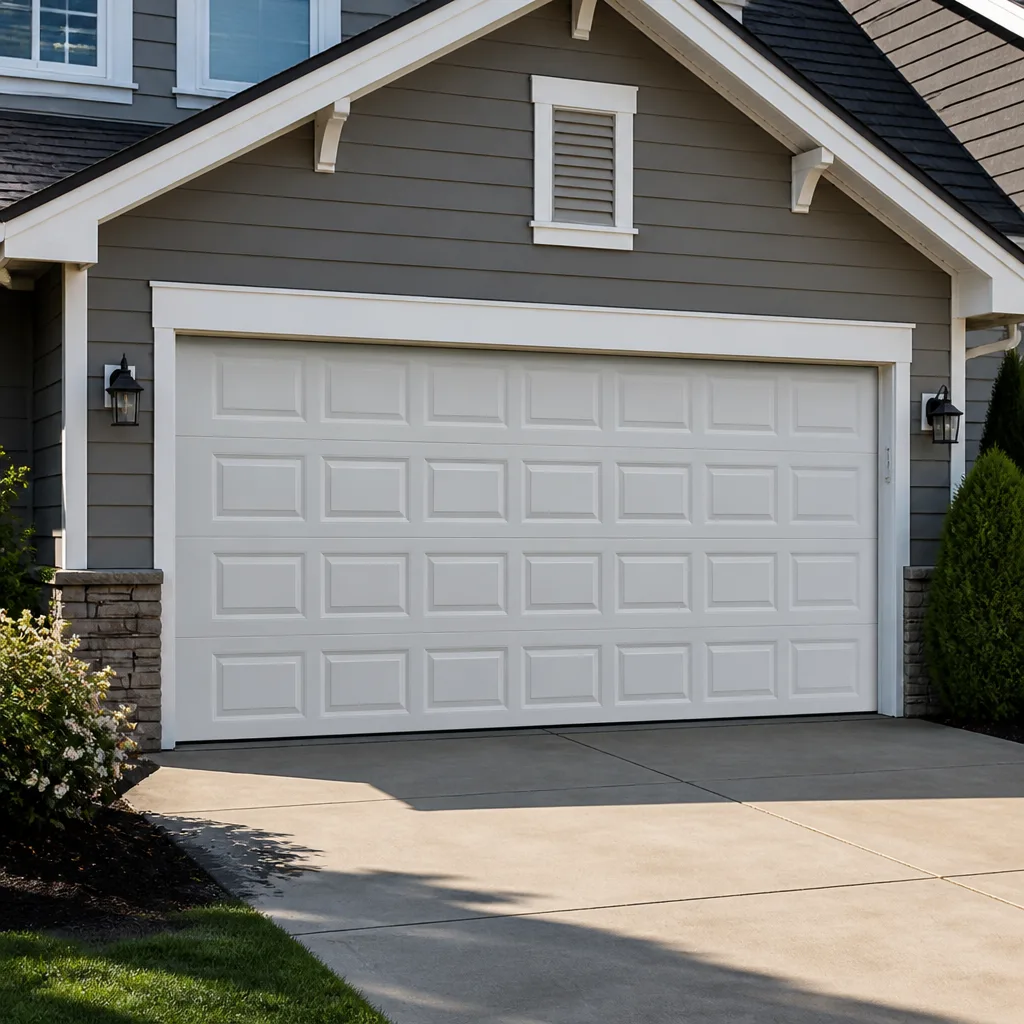 Raised-panel steel
 Carriage house
 Modern flush
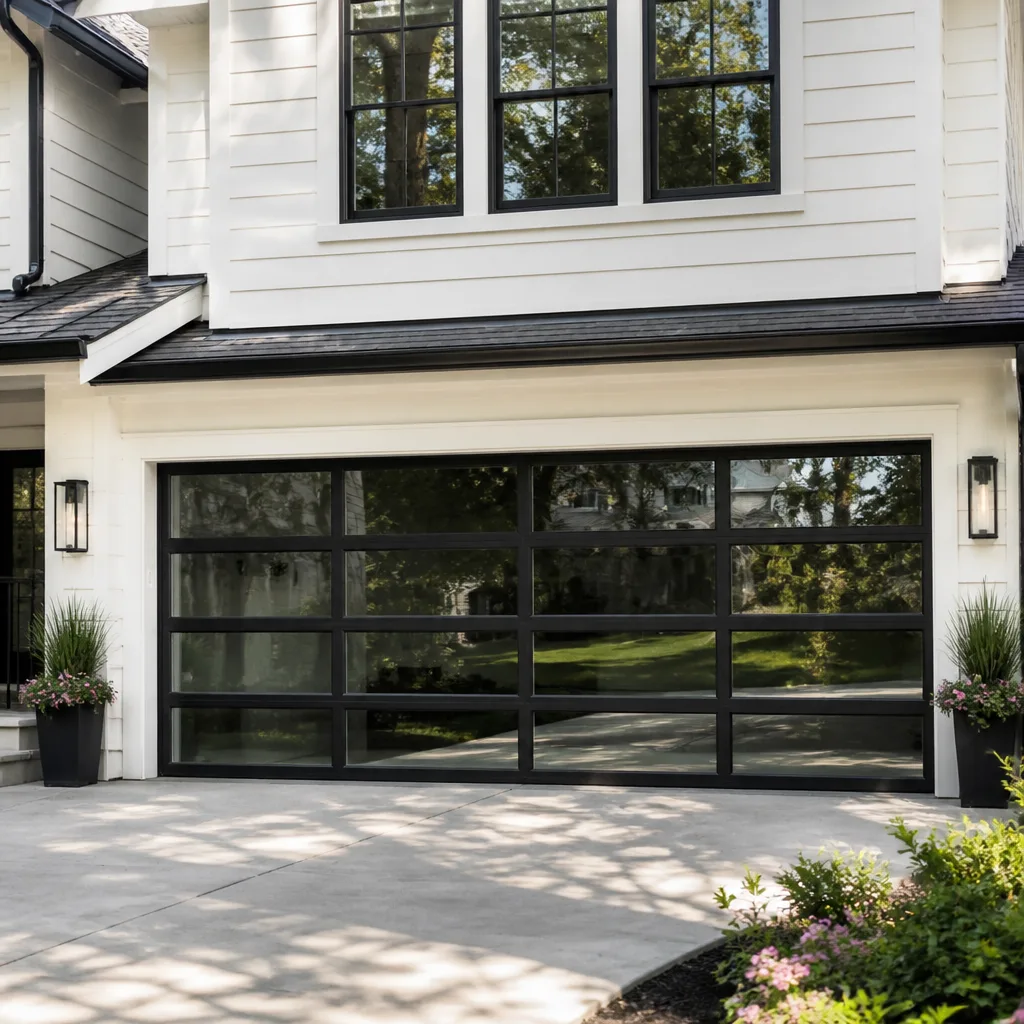 Full-view glass
 LiftMaster openers
 Chamberlain openers
Full 25-point door and opener safety check with every visit - springs, cables, rollers, tracks, and your LiftMaster or Chamberlain opener included
You get a price before we start. It does not change when the pro arrives.
Get your free estimateGarage Door Repair Maintenance Schedule: What to Do and When
If you’re lubricating your garage door springs in July, you’re doing it at the least useful time possible. In Syracuse, the month that matters most is October, when the first hard freeze is close and the checks you do now are the ones that keep the door moving in January. Most homeowners skip the single test that prevents the majority of winter service calls: a balance check on the springs before cold sets in. This guide lays out a month-by-month maintenance calendar built around Central New York’s four distinct seasons, explains exactly which lubricant goes where, and gives you a simple task log you can keep in the garage to track wear over time.
Quick Answer
A garage door in Syracuse needs a balance and safety check each October before the freeze, a full inspection each April after winter, and a hardware and seal review in July when humidity peaks. Lubricate hinges, rollers and tracks with a garage-door-specific lubricant twice a year in spring and fall. Test the auto-reverse monthly and never lubricate the springs or the tracks with WD-40.
Styles & brands we work with
- Raised-panel steel
- Carriage house
- Modern flush
- Full-view glass
- LiftMaster openers
- Chamberlain openers
Table of Contents
- Why Syracuse’s Climate Sets the Schedule
- October: The Pre-Freeze Prep That Prevents Winter Calls
- April: The Post-Winter Inspection
- July: The Humidity and Seal Check
- Which Lubricant Goes Where (and What to Never Use)
- How to Test Spring Tension Balance Yourself
- Bottom Seal and Weatherstripping: The Thermal Leak
- Building Your Garage Task Log
Why Syracuse’s Climate Sets the Schedule
A generic “lubricate every six months” rule treats every garage door in the country the same way. That’s the problem. A door in Phoenix and a door in Syracuse face entirely different stresses, and the maintenance task that helps in one place can be almost pointless in the other. Central New York gives a garage door four distinct seasonal pressures in one year, and each one wears down a different part of the system.
Winter is the hardest season here. Sub-freezing temperatures make metal contract, stiffen lubricant, and harden the rubber in your bottom seal until it cracks. Lake-effect snow piles against the door face overnight, and the freeze-thaw cycle works moisture into every seam and hinge. Spring brings meltwater and rising humidity. Summer pushes humidity higher still, and that moisture is what drives rust on springs and corrosion on the hinges. Then fall arrives and the cycle starts again.
What this means practically is that timing matters as much as the task itself. A lubricant applied in a warm, dry week in late September will still be doing its job when the first freeze hits. The same lubricant applied in July gets worked out of the hinge joints long before it’s needed. In our experience servicing Syracuse homes, the homeowners who avoid midwinter breakdowns are almost always the ones who did their real prep in the fall, not the ones who did a lot of small tasks spread evenly through the year.
This guide is organized around that calendar. It’s not a national template. It’s what actually works for a door that has to open and close through a Syracuse January.
October: The Pre-Freeze Prep That Prevents Winter Calls
October is the load-bearing month in any Syracuse maintenance schedule. The work you do before the first hard freeze is the work that carries your door through to spring. Do these tasks in order, ideally on a dry weekend before temperatures drop below freezing at night.
- Test the spring balance. Disconnect the opener and lift the door halfway by hand. It should hold there on its own. If it drops, the springs are losing tension and need attention before the cold makes them worse. We cover this in detail below.
- Lubricate the moving metal parts. Hinges, rollers, the torsion bar bearings (not the springs themselves), and the opener rail. Use a garage-door-specific lubricant, not WD-40.
- Inspect the bottom seal. Run your hand along the rubber and look for cracks, hardening, or gaps at the corners. A stiff seal won’t compress against the floor, and that’s a cold-air leak all winter.
- Check the weatherstripping around the frame. Same test: cracks, gaps, or sections peeling away.
- Test the auto-reverse and photo-eye safety features. Place a board in the door’s path and confirm the door reverses on contact. Wave an object through the photo-eye beam and confirm the door stops.
- Tighten the hardware. Hinges, brackets, and track bolts work loose over the summer. Snug them with a wrench, but don’t overtighten; stripped bolts become a spring job in winter.
- Clear the tracks of debris. Leaves, grit and dried grease cause binding. Wipe the tracks clean with a dry cloth.
If you have a LiftMaster or Chamberlain opener with a battery backup, check the battery in October. A backup battery that fails during a winter power outage is exactly the kind of surprise this calendar is designed to prevent. If your door runs on a legacy Genie unit and the opener has been struggling, October is also a good time to have that looked at before the worst weather arrives.
April: The Post-Winter Inspection
April is the recovery month. By the time the snow melts, your door has been through the hardest stretch of the year, and the wear that winter caused is now visible. The post-winter inspection is where you catch damage before it becomes a repair call.
- Inspect springs for rust. Winter freeze-thaw cycles pull moisture into the springs. Surface rust on a torsion spring is an early warning that it’s losing strength and will need attention before next winter.
- Check the cables for fraying. Look at where each cable winds around the drum and along the length. Frayed strands, kinks or rusted spots mean the cable needs replacing by a professional. Cables are under extreme tension and are not a homeowner task.
- Look at the door panels for dents and water damage. A steel door that took a hit from a snow shovel or a snowbank can have a bend that stresses the hinges and rollers over time. On a wood door, check the bottom edge for rot.
- Re-lubricate the moving parts. After a winter of cold and moisture, a fresh application of lubricant protects the hinges, rollers and tracks heading into the humid season.
- Test the balance again. If the door felt heavier in March than it did in October, that’s a signal the springs have lost tension through the winter. Note it in your log.
- Test the opener’s force settings and safety reverse. The opener may have been adjusted or stressed during cold weather. Confirm it reverses on contact and that the photo-eyes are aligned.
- Wash and wax a steel or painted door. Removing winter road grime and snow-melt residue from the panels keeps the finish from breaking down.
In our experience, April is when most spring fatigue shows up. A spring that survived October but broke by March left its telltale signs in the fall; the April inspection is when you find them. If you’d rather have a professional assess the whole system after winter, a garage door repair visit is a reasonable point in the year to schedule one.
July: The Humidity and Seal Check
July in Syracuse brings the highest humidity of the year, and that’s what makes this month worth its own inspection. The summer check is less about freezing and more about moisture and thermal performance.
- Recheck the bottom seal. A seal that was marginal in April may have hardened and split by July. Sun exposure plus humidity is tough on rubber.
- Look for rust on the hinge pins and rollers. Humidity is the enemy of every unpainted steel part on the door. A light film of rust on a hinge pin is a reminder to re-lubricate.
- Check the tracks for rust or binding. Tracks that bind in humid weather will bind worse in the cold. Clean and lightly oil the rollers only; don’t oil the tracks themselves.
- Inspect the wood frame for swelling or rot. Wood absorbs summer humidity and swells, which can throw off the door’s fit and cause rubbing. Look for warped sections or soft spots.
- Test insulation performance. If your garage shares a wall with the house, a hot summer garage tells you the door’s insulation and seals are letting air through. The same leaks will let cold air in during winter.
- Run the opener through a full cycle and check the safety reverse. Summer is when the opener is least likely to be strained, so this is a low-stress time to find a failing part.
A note on the door you own: a Clopay or Amarr steel door generally handles a Syracuse summer without trouble, provided the seals are intact. A Wayne Dalton wood-composite door deserves a closer look at the bottom rail and frame, since moisture is what breaks those materials down over the years.
Which Lubricant Goes Where (and What to Never Use)
The single most common maintenance mistake in Syracuse is using WD-40 on the moving parts of a garage door. WD-40 is a solvent, not a lubricant. It cuts through grime and then evaporates, leaving the metal dry and exposed to the humidity. On springs, it’s worse than useless: it strips protective oil from the coil and accelerates corrosion, and corrosion is what shortens a torsion spring’s life. If you’ve been spraying WD-40 on your springs every year, stop.
Here’s the correct map of lubricant to part:
- Hinges and their pivot points: a white lithium or garage-door-specific spray lubricant. Apply a small amount to each hinge, then work the door up and down once to spread it.
- Rollers and roller stems: the same white lithium or silicone spray, applied to the bearing, not the track.
- Torsion bar bearings and the bearing plate: a few drops of light machine oil.
- The opener’s rail and chain: the manufacturer’s specified lubricant. LiftMaster and Chamberlain units often specify a particular lubricant for the rail and chain; check the manual if you’re not sure.
- The springs themselves: light machine oil only, applied sparingly, and never WD-40 or a penetrating spray.
- The tracks: nothing. Tracks collect dirt and then hold it. Wipe them with a dry cloth instead.
- The bottom seal and frame weatherstripping: a silicone spray or a rubber conditioner, applied sparingly, to keep the rubber supple.
Spray lightly. Overspraying leaves a film that grabs dust, and dust mixed with lubricant becomes a gummy paste that binds the hinges. Two light coats twice a year (spring and fall) is better than a heavy coat once.
How to Test Spring Tension Balance Yourself
Testing the spring balance is the most valuable thing you can do as a homeowner, and it’s the test most people skip. It tells you whether your springs are losing tension before they break. A broken torsion spring can sound like a gunshot, and it leaves the door stuck in place. Catching a failing spring in October means you’re planning a repair instead of managing an emergency in January.
Here’s the safe way to do it:
- Close the door fully and engage the opener, so the door is held by the opener, not by you.
- Pull the manual release cord to disconnect the opener from the door. This is the cord you use when the power is out, and it hangs from the carriage rail.
- Lift the door by hand to about the halfway point. Use the bottom handle or the bottom edge, keeping your hands clear of the springs, cables and hinges.
- Let go gently and watch. A healthy door stays at the halfway point by itself. It doesn’t drift down. It doesn’t shoot up.
- Take the door down and back up slowly by hand. It should feel roughly the same weight going up as it does with the opener connected. If it feels unusually heavy, the springs are losing tension.
- Lower the door fully and re-engage the opener by pulling the cord again until the carriage clicks into the rail.
A “failing” result looks like this: the door slowly sags when you let go at the halfway point, or the door feels heavy to lift, or the door won’t stay up at all. Any of those results is a signal to have the springs checked by a professional before they break.
The reason you test and don’t adjust is simple. Torsion springs store enormous tension, and a torsion spring or cable that lets go while you’re adjusting it can cause serious injury. Never attempt to adjust or remove the springs or cables yourself. This is the one task on the entire calendar that belongs to a trained technician, and we’ll say it plainly: if the balance test fails, stop there and call for help.
Bottom Seal and Weatherstripping: The Thermal Leak
A garage door’s bottom seal is one of the most overlooked parts of the whole system, and it’s the part most directly tied to your heating bill in a Syracuse winter. The seal is the rubber strip along the bottom edge of the door. When it’s intact, it compresses against the floor and blocks cold air from flowing under the door. When it’s cracked, hardened or has gaps, that cold air gets in and your warm air gets out.
The thermal effect is real, and it stacks up. An attached garage that stays colder in winter means the shared wall between garage and house stays colder, and more heat is pulled from the rooms on the other side. A degraded bottom seal is one of the cheapest fixes on this entire calendar, and it pays back over a single winter in comfort alone.
Here’s how to inspect it properly:
- Look for visible cracks and splits along the length of the rubber. Sun and freeze-thaw cycles are the main causes.
- Run your hand along the bottom when the door is down. Feel for a gap between the seal and the floor. A properly adjusted door has the seal compressed all along its width.
- Check the corners. Gaps at the bottom corners are common and easy to miss.
- Check the frame weatherstripping on both sides and the top. Look for tearing, sections that have pulled out of their channel, or a seal that no longer touches the door.
- Look for daylight under the door on a bright sunny day. Any light means air can get through.
Replacing a bottom seal is a straightforward job for a technician and usually done the same visit as any other repair. The frame weatherstripping is the same. If the door itself is the source of the leak (a hollow uninsulated panel, for example), that’s a conversation worth having. If you want the seal replaced and the door’s overall insulation assessed in one visit, garage door opener repair visits are a good opportunity to ask for a look at the whole system, since the opener and the seal share the same door.
Building Your Garage Task Log
A paper task log is the single easiest upgrade to any maintenance routine, and it turns a vague “I should check that” into an actual record. You can keep it in the garage on a clipboard. It’s a one-page grid with a column for each month and a row for each task.
Here’s what to log:
- The date of every task you complete, with the task name. Even if you only changed the opener battery.
- Any noise or movement you notice, even if you don’t act on it yet. “Squeak from left hinge on opening” is worth recording.
- The date any part was replaced, and the brand and model. Springs, rollers, cables, seal, opener battery.
- The result of the balance test each October and April: “holds at halfway,” “drifted down,” “felt heavy.”
- The date and result of every safety-reverse test. A monthly test is ideal; if you fall behind, log what you did.
- The date your opener’s LED indicators changed (a code, a warning flash, an error light) and what you did about it.
- Any new noise, sag, or difficult movement, with the date you first noticed it.
The value of the log is in patterns. If the balance test fails in October 2026 and again in October 2027, you have a record of a spring that’s been losing tension for a full year, and you can plan the replacement around your schedule instead of waiting for a failure. If the bottom seal starts showing cracks every two summers instead of every four, the log tells you before the fourth one becomes a heating problem.
Keep the log with the garage door, literally. Clip it to a hook beside the opener. If a technician visits, the log is the fastest way to bring them up to speed on the system’s history.
Common Mistakes to Avoid
- Lubricating the springs in July. The lubricant dries before winter matters. November through March is when the hinge joints need lubricant most, and lubricant applied too early is gone by then. Do it in October.
- Using WD-40 on hinges and springs. It’s a solvent, not a lubricant, and it accelerates rust on springs in our humidity. Use a garage-door-specific lubricant and light machine oil.
- Oiling the tracks. Tracks should be clean and dry. Grease catches dust and binds the rollers.
- Skipping the balance check. A door that’s heavy to lift by hand is a spring under strain. A spring that breaks in December often had a balance test failing in October.
- Adjusting the springs yourself. Torsion springs are under extreme tension and can cause serious injury. The balance test is safe; adjusting the springs is not. Stop and call a professional.
- Ignoring the bottom seal through winter. A cracked seal is a heating leak all season. Replace it in October, not in March.
- Tightening every bolt. Over-tightening strips bolts and cracks the hinge plates. Snug, not torqued.
- Not testing the safety reverse. The auto-reverse and photo-eye systems exist to protect people and property. A monthly test is the fastest way to catch a failure.
See the difference
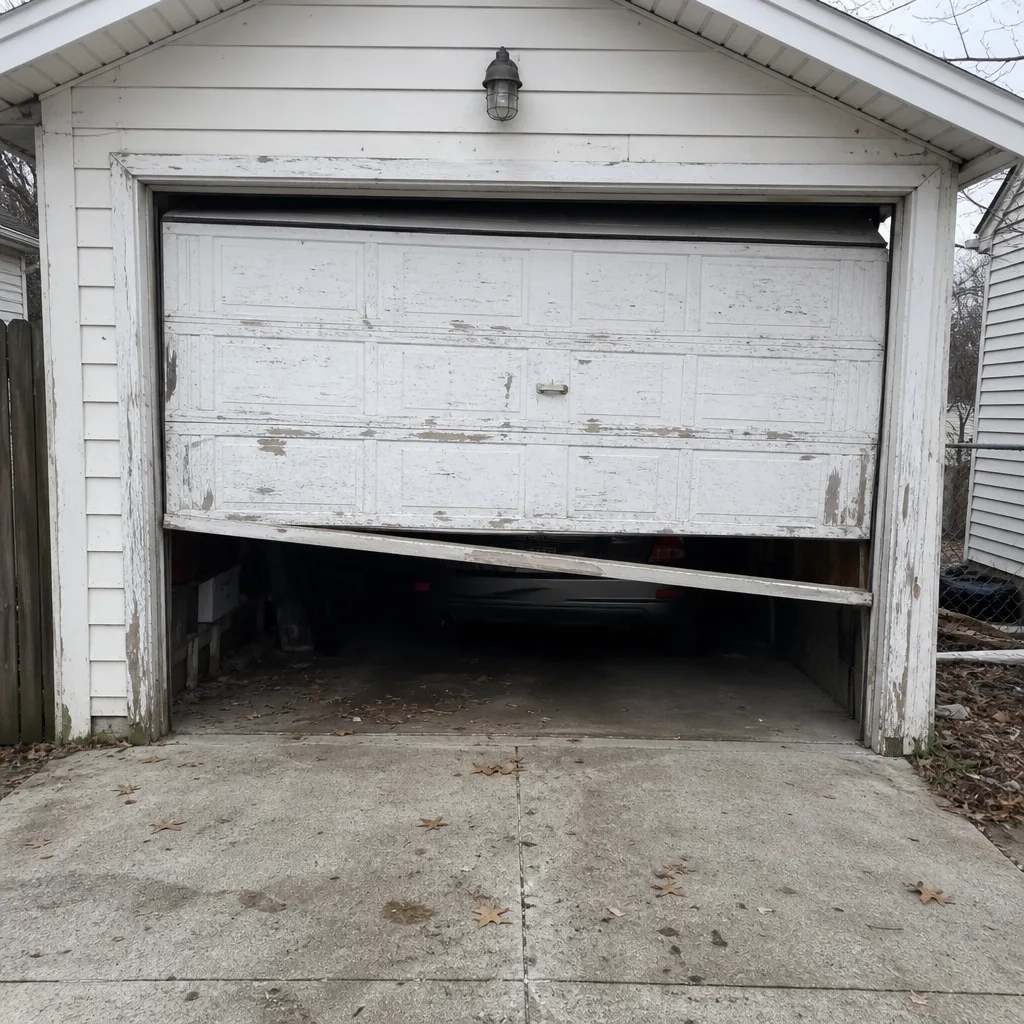 Before
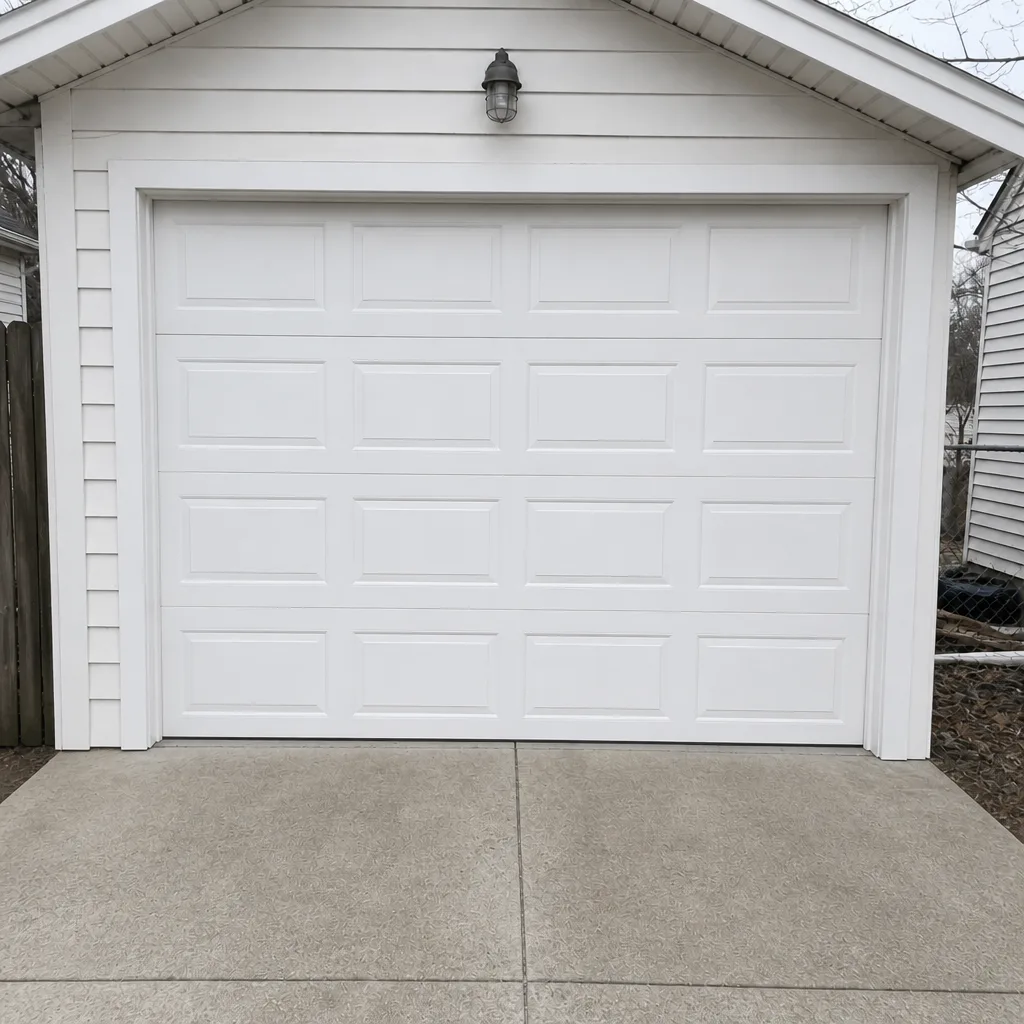 After
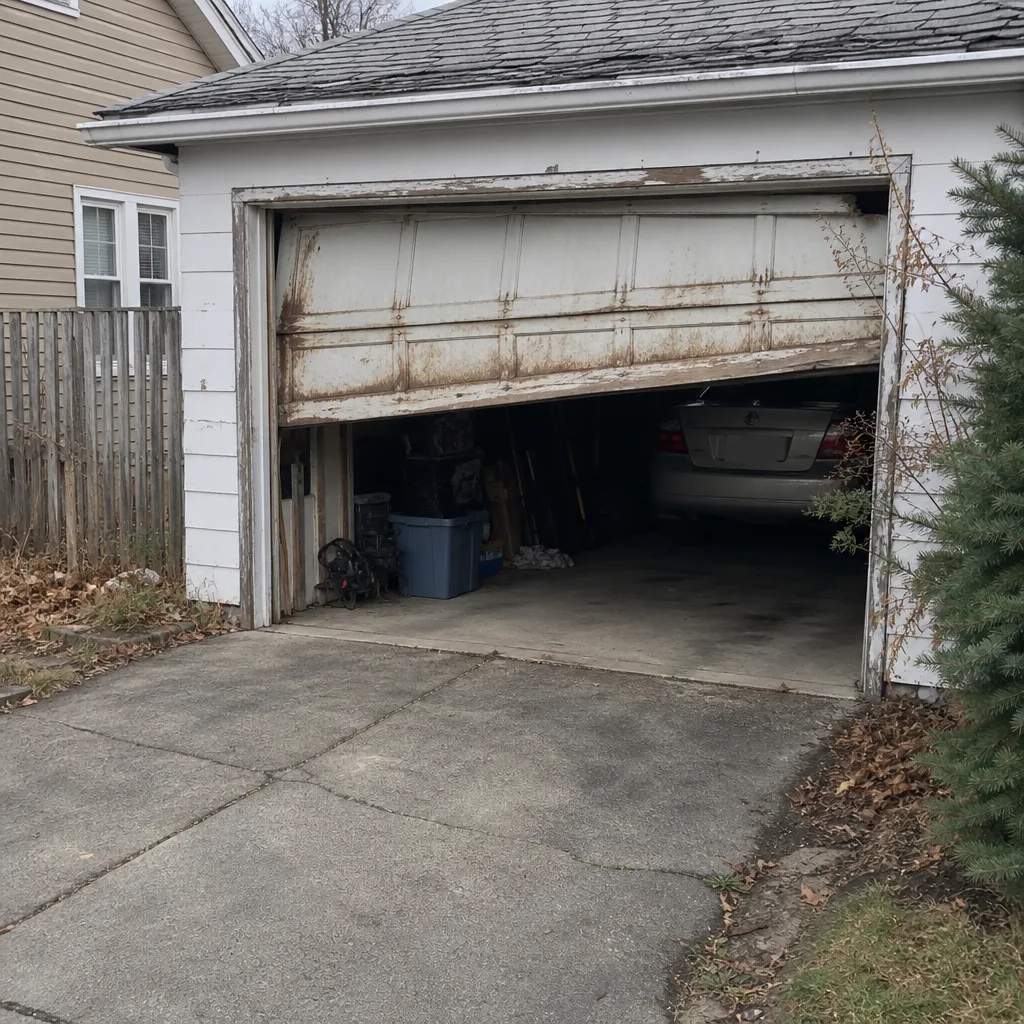 Before
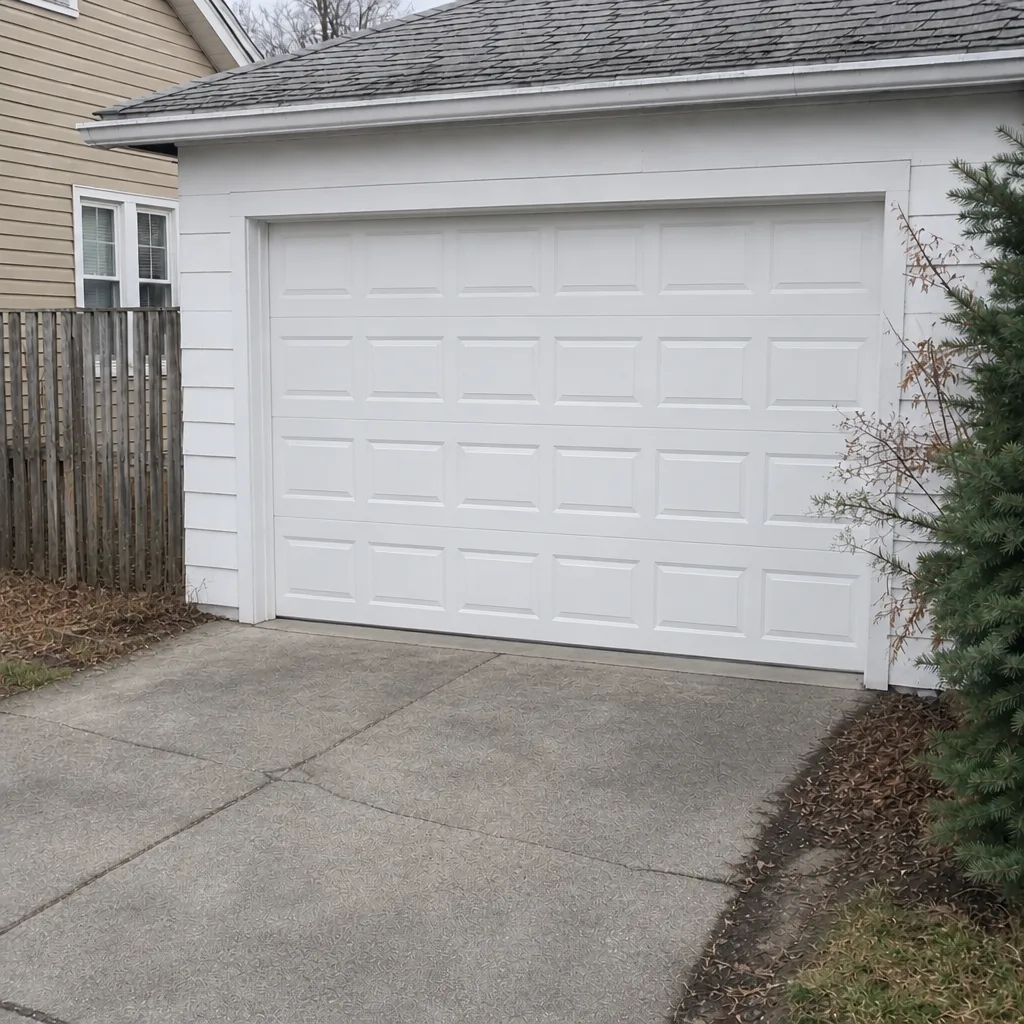 After
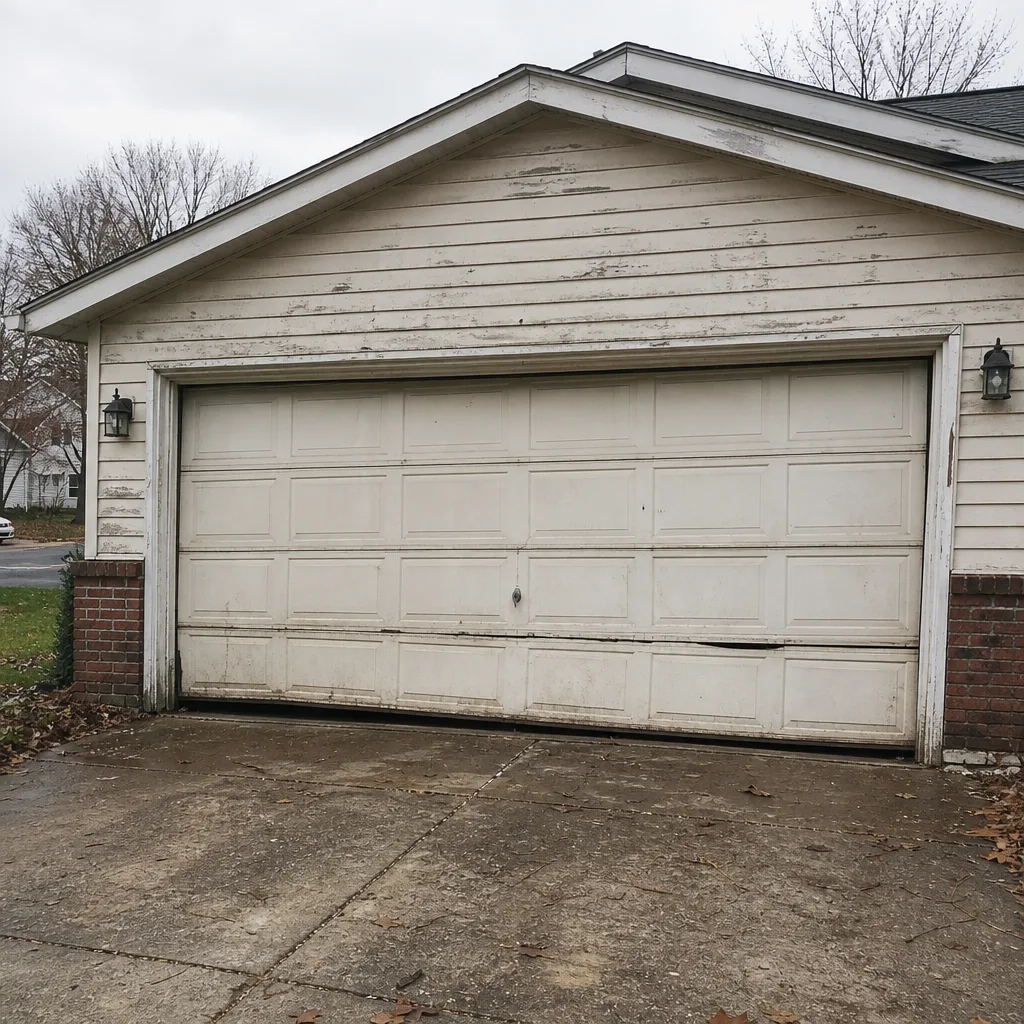 Before
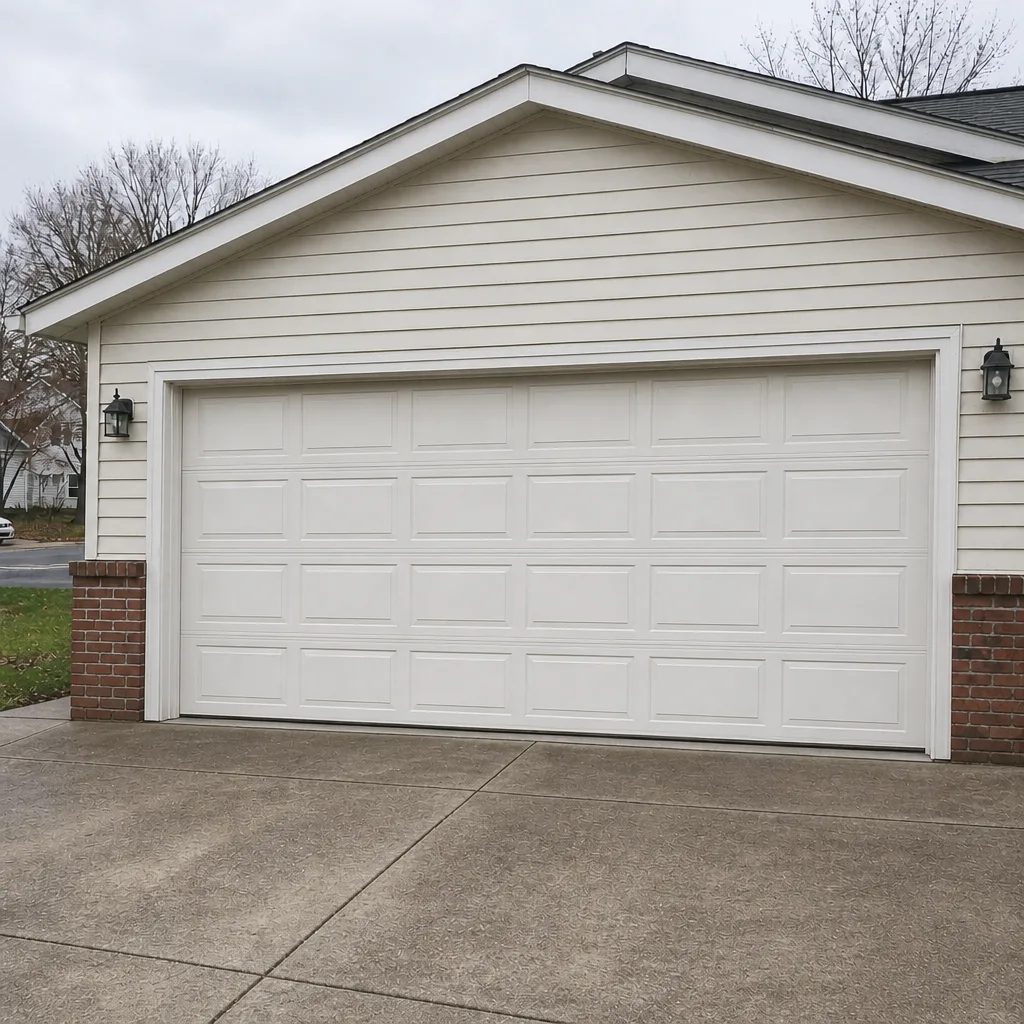 After
When to Call a Professional
Some tasks on this calendar belong to a technician, and it’s worth knowing which ones before you start. A failed balance test, a frayed or kinked cable, a snapped spring, a bent track, a broken hinge plate, or a door that’s off its level line all point to a professional repair. If your opener’s force setting needs adjusting and you’re not sure how, that’s another one for a technician, since a misadjusted opener can stress the whole system. And if anything on your door looks like it might fall, stop using it and call. Our technicians have up to 10 years of experience on LiftMaster, Chamberlain, Genie, Clopay, Amarr, Wayne Dalton, Craftsman and Raynor systems, so we work on what you already have. Southgate Garage Door Service offers free estimates in Syracuse. Call (855) 360-7984.
Frequently Asked Questions
Twice a year, in October before the freeze and again in April after the winter. The October application is the one that protects your door through the coldest months, when frozen joints are hardest to fix. Use a garage-door-specific lubricant on the hinges and rollers and light machine oil on the springs. Call (855) 360-7984 if you want a technician to handle the whole lubrication and inspection in one visit – estimates are free.
Yes, the balance test is safe if you disconnect the opener and lift the door by hand. The test is safe because you’re observing, not adjusting. Adjusting or removing a torsion spring or cable is dangerous and should always be done by a trained technician. If the balance test shows the door drifting or feeling heavy, call (855) 360-7984 for an assessment.
Usually a spring problem. If the door feels heavy when you lift it by hand with the opener disconnected, the springs have lost tension. If the door lifts easily by hand but the opener struggles, the opener is the likely culprit. Our technicians diagnose both on the same visit, across all the major opener brands, so call (855) 360-7984 and we’ll sort out which one it is.
No. WD-40 is a solvent, not a lubricant. It cuts through grime and evaporates, leaving the springs and hinges dry, and on springs it can accelerate the corrosion that shortens their life. In Syracuse’s humid summers and freeze-thaw winters, that’s the wrong tool for the job. Use a garage-door-specific lubricant instead, or call (855) 360-7984 to have it done properly.
Replace the bottom seal when you see visible cracks, splits, or hardening, or when you can feel a gap between the seal and the floor. If you can see daylight under the door on a sunny day, or if the garage feels noticeably colder in winter than it should, the seal is likely the reason. It’s one of the cheapest winter fixes on the whole calendar. Call (855) 360-7984 for a free estimate on a replacement.
The October balance and lubrication pass. It’s the one that catches a weakening spring before the cold sets in and protects the moving parts through the freeze. If you only do one maintenance task a year, do this one in the fall. If you’d rather have a technician handle it, Southgate Garage Door Service offers a free estimate in Syracuse – call (855) 360-7984.
Yes. Wood doors need their bottom edge and frame inspected for swelling and rot, especially in July when humidity peaks. Steel doors need a wax or finish coat to protect the paint through winter. Our technicians handle both, and they’ll tell you what the door actually needs rather than what’s easiest to sell. Call (855) 360-7984 to book a visit.
The Bottom Line
The right maintenance schedule for a Syracuse garage door is built around the seasons, not a generic national template. October is the month that matters most: run the balance test, lubricate the moving parts with the right product, and check the bottom seal before the freeze. April is the recovery inspection that catches winter damage. July is the humidity and seal check that protects your thermal performance. Test the safety reverse monthly, log every task on a clipboard in the garage so you can spot wear patterns over time, and never adjust the springs yourself. If you’re ready to have the whole system checked by a technician, call (855) 360-7984. We answer 24/7. Fast dispatch from 7am to 7pm, Sunday through Friday. Estimates are free.
Written by the team at Southgate Garage Door Service.