
Last updated November 15, 2026
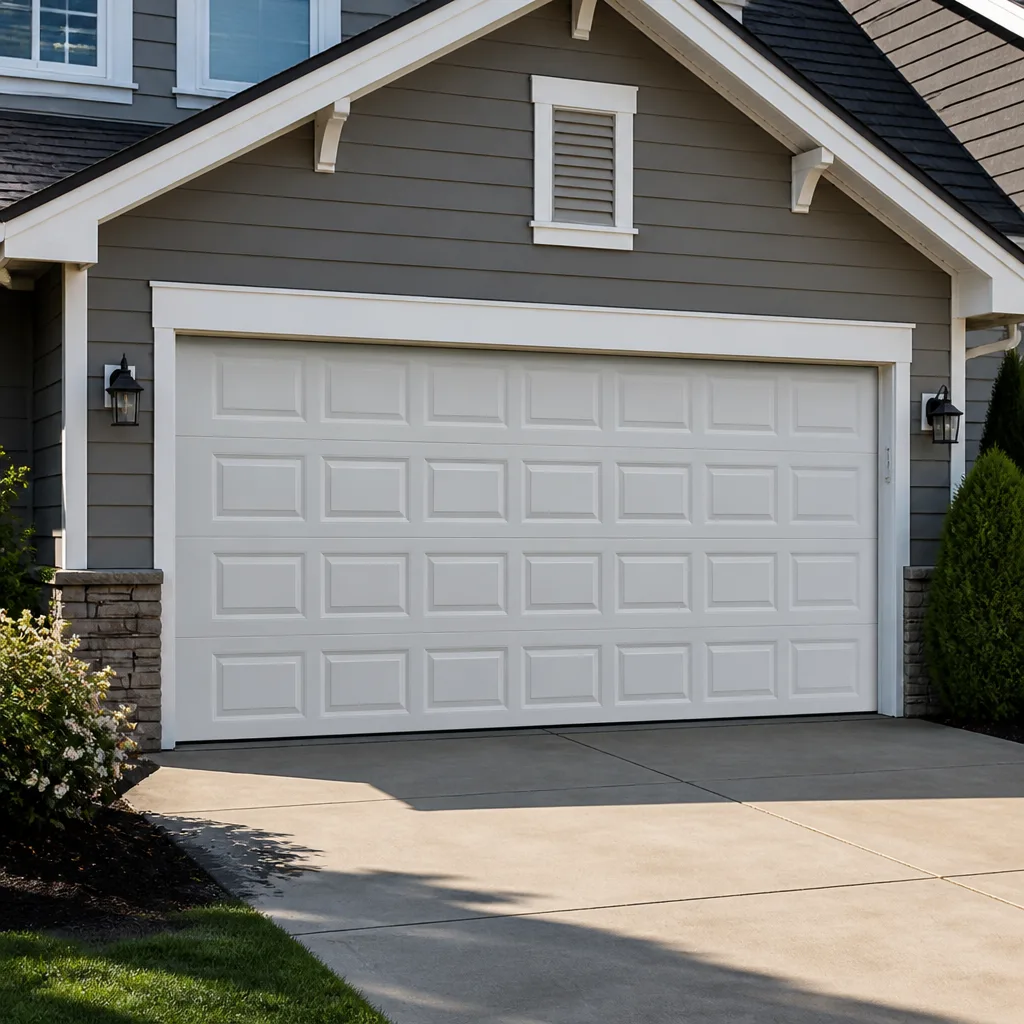 Raised-panel steel
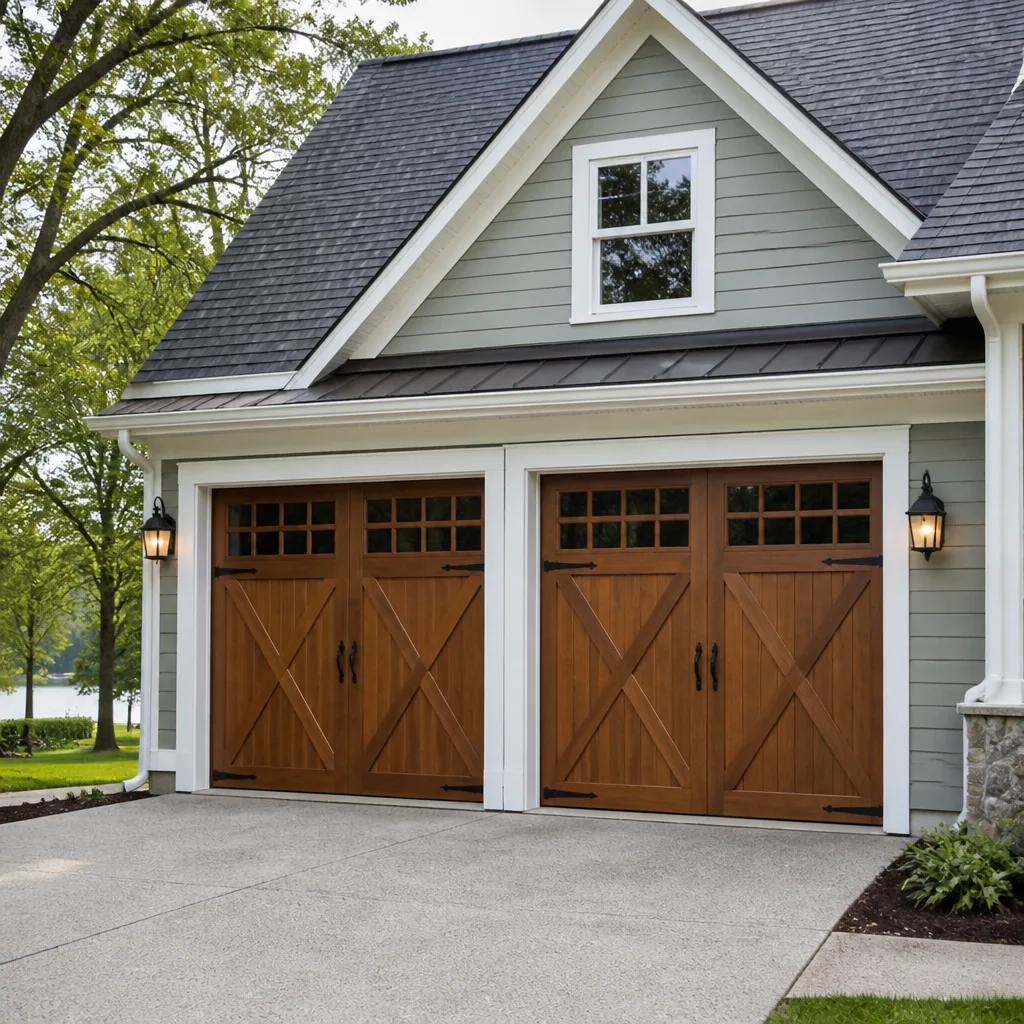 Carriage house
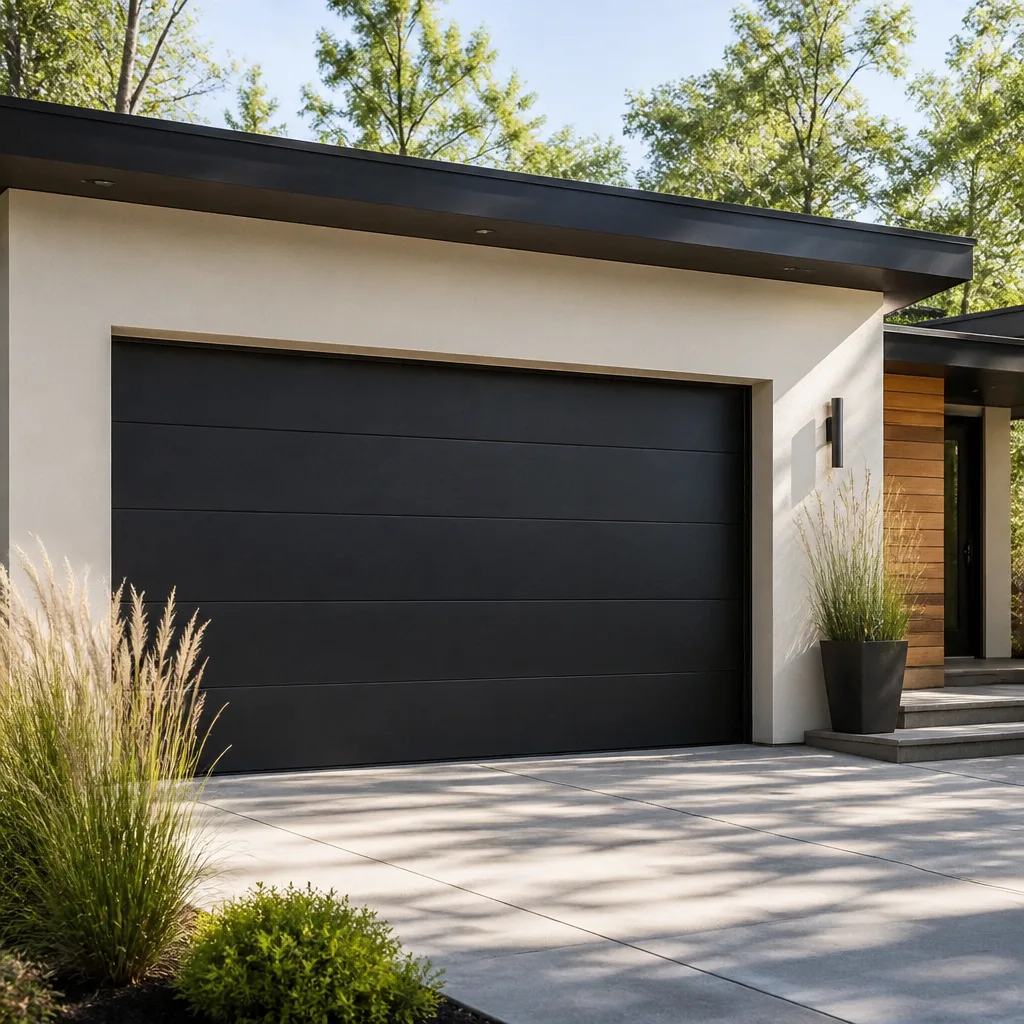 Modern flush
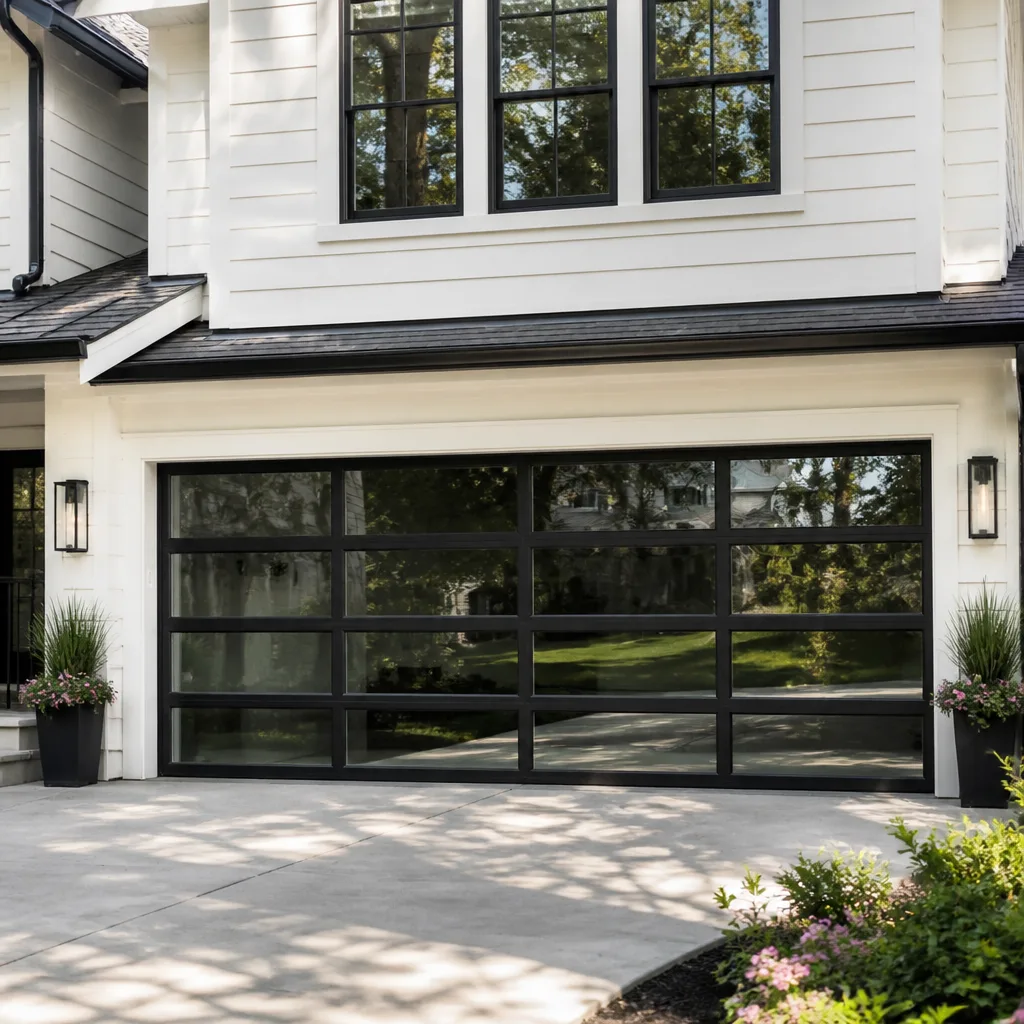 Full-view glass
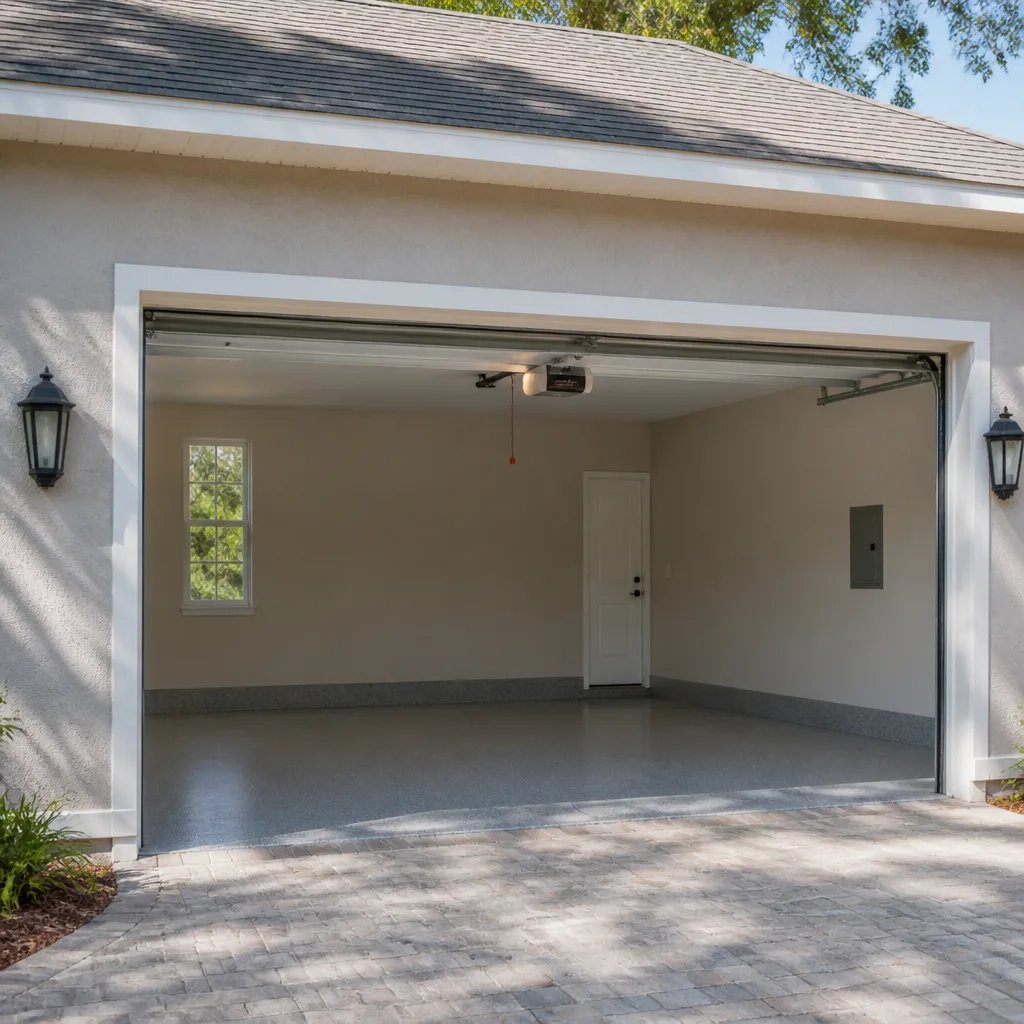 LiftMaster openers
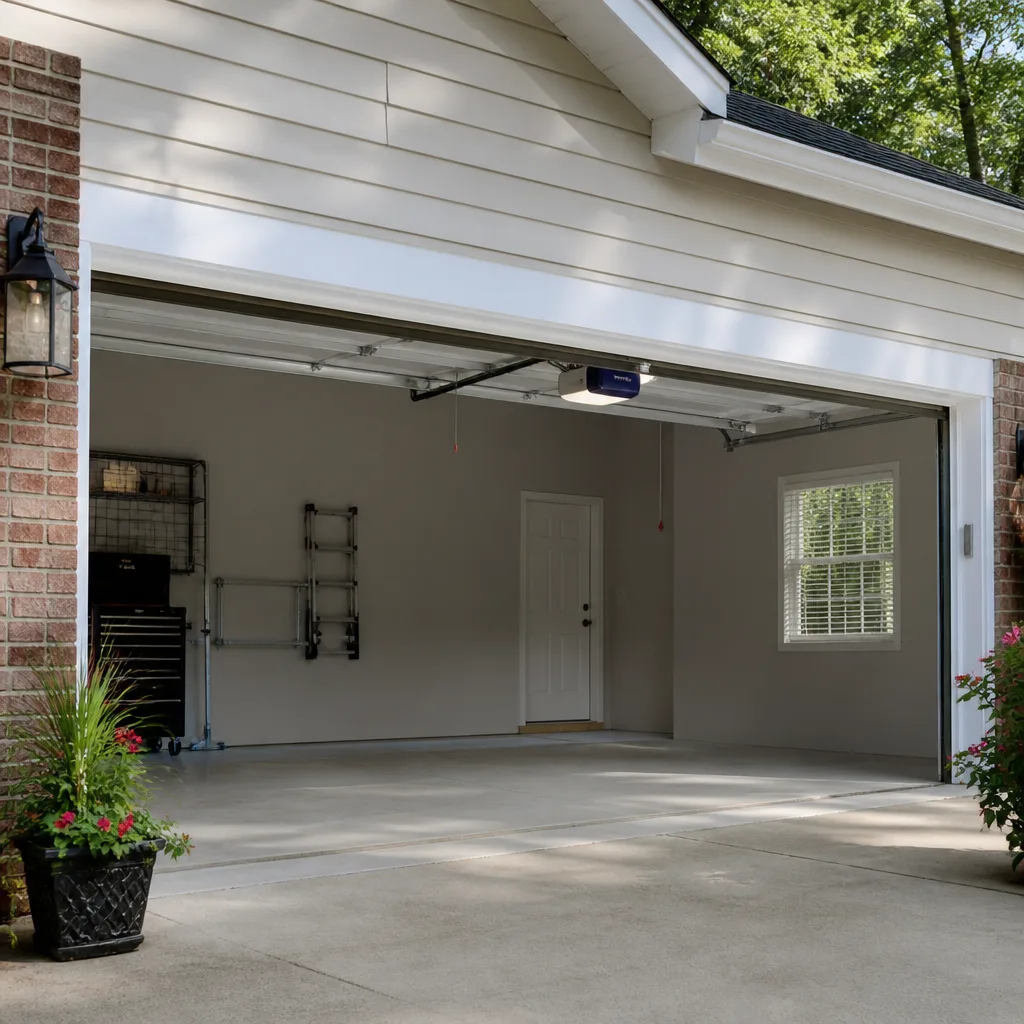 Chamberlain openers
Full 25-point door and opener safety check with every visit - springs, cables, rollers, tracks, and your LiftMaster or Chamberlain opener included
You get a price before we start. It does not change when the pro arrives.
Get your free estimateHow to Hire a Garage Door Contractor in Syracuse: A Step-by-Step Guide
Most homeowners in Syracuse hire a garage door contractor the same way they hire a plumber: call whoever answers first, ask what it costs, and hope. That approach works for a clogged drain. It fails badly for a garage door, because a surprising number of “garage door companies” working around Onondaga County are either one-person operations without real insurance or authorized dealers tied to a single manufacturer. Their quote is shaped by what they can sell, not by what your door actually needs. This guide shows you how to tell the difference, verify a contractor in minutes, and compare quotes fairly when the specs don’t match. We’ll cover New York requirements, spring systems, parts sourcing, and the five questions that separate a diagnostician from a salesperson.
Quick Answer
To hire a garage door contractor in Syracuse, verify three things before anyone touches your door: that the business carries a current NYS Home Improvement Contractor registration, that it can show a certificate of insurance naming general liability coverage, and that it services the brand already installed on your home rather than only the brand it sells. Then get a written, itemized estimate that lists spring type, cycle rating, and part numbers. A contractor who can explain why a repair beats a replacement, and prove it line by line, is the one to hire.
Styles & brands we work with
- Raised-panel steel
- Carriage house
- Modern flush
- Full-view glass
- LiftMaster openers
- Chamberlain openers
Table of Contents
- What New York State Actually Requires of Garage Door Contractors
- How to Verify License and Insurance in Under Five Minutes
- The Five Questions to Ask Before Anyone Touches Your Door
- Red Flags in a Garage Door Estimate
- Why Single-Brand Dealers Can’t Give You Unbiased Repair-vs-Replace Advice
- How to Compare Quotes When Contractors Spec Different Components
- What’s Different About Garage Doors in Syracuse
- Spring Systems, Safety, and Why This Isn’t a DIY Job
What New York State Actually Requires of Garage Door Contractors
New York does not issue a dedicated “garage door license.” There’s no statewide exam specific to doors, springs, or openers. What the state does require is a Home Improvement Contractor registration through the New York State Department of State, and that registration applies to anyone doing home improvement work for compensation, including garage door installation and repair. This is the single most misunderstood piece of the hiring puzzle in Syracuse.
What companies claim versus what the law says diverge here. You’ll see “licensed and insured” on nearly every truck and website. That phrase means something only if the business can produce the registration number and the insurance certificate on request. A general liability policy is not a license, and a business license from the city is not a state home improvement registration. The two get conflated constantly.
The practical result: many small operators working in Syracuse neighborhoods like Strathmore, the Valley, or Tipperary Hill simply never registered, because the barrier is paperwork and a fee, not a test. That doesn’t automatically make them bad technicians. It does mean you have no recourse through the state if something goes wrong, and that the financial exposure falls on you, not them.
- NYS Home Improvement Contractor registration – required for paid home improvement work, including garage doors. Ask for the number.
- General liability insurance – covers damage to your property if a door panel or opener component fails during the job.
- Workers’ compensation coverage – if anyone is injured on your property, this is what protects you from a claim.
- No door-specific state license exists – so a “certified installer” badge usually reflects manufacturer training, not state law.
Ask for all three in writing. A professional company hands them over without a fuss. If a contractor gets defensive about registration and insurance, treat that as your answer.
How to Verify License and Insurance in Under Five Minutes
Verification is faster than most homeowners expect. The NYS Department of State maintains a public database of registered home improvement contractors, and a quick name search confirms whether a business is current, expired, or never registered at all. The whole process is a phone call or a few clicks, and it should happen before you schedule an estimate, not after.
Here’s the sequence we recommend:
- Search the business name in the NYS Department of State contractor database. Confirm the registration is active, not expired.
- Match the legal name on the registration to the name on the estimate and the name on the truck. Mismatches are a warning sign.
- Request a certificate of insurance and check the effective dates. An expired certificate is not coverage.
- Confirm the certificate is for general liability, and ask whether workers’ compensation is in force if anyone besides the owner will be on site.
- Ask if the business is an authorized dealer for any brand. This is voluntary disclosure, but a straight answer tells you a lot about how they’ll advise you.
Two minutes of checking rules out the worst outcomes. In our experience around Syracuse, the honest operators volunteer this information before you ask, and the ones who don’t are often the ones with something to hide. When you call Southgate Garage Door Service, registration and insurance paperwork is standard on request.
The Five Questions to Ask Before Anyone Touches Your Door
The first five minutes of a conversation tell you most of what you need to know. These aren’t trick questions. They’re the questions a trained technician answers without hesitation and a salesperson deflects.
- “What spring system do I have, and what cycle rating do you recommend?” Standard torsion springs commonly carry a rated cycle life, and higher-cycle springs cost more but last longer. A technician tells you the difference between a standard spring and a high-cycle one, and why the upgrade may or may not pay off for a daily-use door.
- “Are you replacing one spring or the pair?” Springs on a matched pair wear at the same rate. Replacing only one usually means the second fails soon after, and you pay a second service call.
- “Where do the parts come from?” A contractor who orders from a distributor versus one who sources from a big-box shelf is telling you something. Ask whether the replacement panel or opener is the exact model or a compatible equivalent.
- “Will you diagnose the door before recommending a replacement?” A yes here is the whole ballgame. A technician should be able to tell you whether the panels, tracks, and hardware are sound, and whether a repair is cost-effective.
- “What does the written estimate include, and what’s not covered?” The written estimate is the price. Ask specifically whether haul-away, disposal, and any track or hardware replacement are included.
Ask these before you schedule, not when the truck is in the driveway. The answers are more candid on the phone, and you can compare them side by side across two or three companies. A garage door contractor who can walk through spring types, parts sourcing, and repair-versus-replace logic is diagnosing your door.
Red Flags in a Garage Door Estimate
An estimate that feels a little off usually is. The patterns below come up often in Syracuse, and each one points to a quote shaped by incentives rather than by the condition of your door.
- A price on the phone with no walk-through. Garage doors vary too much for a real number without a look at the door, springs, opener, and header. A phone quote is a guess or a lowball.
- A replacement recommendation with no diagnosis. If you called about a broken spring and the first answer is “you need a new door,” ask what failed. If they can’t point to a specific component, the recommendation is upsell.
- “Your springs are shot” without a cycle rating. Enough with the general warnings. A real contractor tells you whether the springs are near their rated life, and recommends a specific replacement with a specific cycle rating.
- No written, itemized estimate. A lump-sum figure that arrives as an invoice instead of a quote is the setup for a surprise later.
- Pressure to decide the same day. Garage doors aren’t time-sensitive in a way that requires an immediate signature. If a contractor leans hard on urgency, walk.
- No registration number, no insurance certificate. Covered above, but it belongs on this list. Unregistered work shifts the liability onto you.
- Reluctance to work on the brand you already own. A single-brand dealer who “doesn’t service that brand” is telling you they can’t sell you a repair.
Any one of these isn’t automatically disqualifying. A pattern of two or three is. The estimate should tell you what’s wrong, what it costs, and what the written quote covers, and it should fit on one page without a hard sell attached.
Why Single-Brand Dealers Can’t Give You Unbiased Repair-vs-Replace Advice
Imagine calling two contractors for a worn door on a house in Eastwood. One is an authorized dealer for a single manufacturer; the other works across eight brands. The dealer’s business model depends on selling that one brand’s products. Every repair recommendation competes against a sale it isn’t allowed to make. That’s a structural conflict of interest, not a personal failing, and it produces predictable advice.
This matters most at the fork where a homeowner is deciding between repairing an existing door and replacing it entirely. That decision is the largest one in garage door work, and it deserves an honest answer based on the door’s condition, the homeowner’s budget, and how much life the existing system has left. A single-brand dealer can’t offer a neutral view on that fork, because their financial incentive points one direction.
A multi-brand contractor faces a different incentive. When we diagnose a door, the recommendation is driven by fit and budget, because repairs and replacements are both on our menu. If a repair holds the door together for a few more years at a fraction of the replacement cost, that’s a straightforward recommendation. If the door is failing at the panels or the structure, a replacement makes sense, and it’s worth saying so plainly.
The honest test to run before you hire: ask any contractor whether they’re an authorized dealer, and for which brands. If they name one manufacturer and only that one, ask how they’d advise you if a competing brand were a better fit for your door. A contractor working across competing lines answers without a pause. A single-brand dealer usually can’t. When we diagnose in Syracuse, the brands we work with – LiftMaster, Chamberlain, Genie, Clopay, Amarr, Wayne Dalton, Craftsman, and Raynor – mean the repair-versus-replace answer follows the door, not the catalog.
How to Compare Quotes When Contractors Spec Different Components
You’ll get quotes that don’t look alike. One contractor specs a standard spring, another a high-cycle spring. One lists a LiftMaster opener, another a Genie. One includes haul-away, another doesn’t. Comparing headline totals is how homeowners end up paying more for less. The fix is a line-by-line method.
Write down each component and its spec from every quote, then compare across rows rather than on the bottom line:
- Spring type and cycle rating. Standard versus high-cycle, one spring versus a matched pair. This is often the single largest price difference between two quotes.
- Door or panel specifications. Insulation value, steel gauge, panel construction, and whether the replacement matches the existing frame or requires a new one.
- Opener model and drive type – chain, belt, or screw – plus any smart-home or battery-backup features. A Chamberlain opener and a Genie opener at the same price point may not be equivalent on features.
- Hardware and track work. Rollers, hinges, cables, and whether track adjustment or replacement is included or extra.
- Haul-away and disposal. Older doors weigh hundreds of pounds, and disposal is a real cost. Ask whether it’s included.
- Written price and scope. Confirm that the number on the quote is the number you’ll pay, and that any additional work requires your approval first.
The line-by-line method turns a confusing set of totals into a single table you can read. If a contractor won’t itemize, that’s your answer. Comparing quotes accurately means the difference you see between two numbers reflects the difference in parts and scope, not the difference in how each contractor phrased their estimate. Every price we provide is an estimate set per job, and the written quote is the price before any work starts.
What’s Different About Garage Doors in Syracuse
Syracuse is inland, and that shows up in what fails first. The freeze-thaw cycle across a Central New York winter is hard on a garage door system in ways that coastal or mild-climate advice doesn’t account for. Snow load, road salt tracked onto the apron, and months of temperature swings wear on the same components.
The parts that take the beating:
- Torsion and extension springs. Cold temperatures make spring steel more brittle, and the fatigue that builds over a season tends to fail in a cold snap. Springs are the most common repair call in Syracuse.
- Bottom seals and weatherstripping. A seal that cracks lets meltwater and wind inside, and it’s a cheap fix worth doing before the worst of winter.
- Track alignment. Ground movement and frost heave shift the concrete apron or the header, and a door that tracked fine in October can bind in January.
- Opener force settings. A door that closes harder in cold weather is a sign the opener is compensating for binding or worn springs. Don’t adjust the force without checking the door.
- Rollers and hinges. Lubricant stiffens in the cold, and metal-on-metal wear accelerates.
Those seasonal patterns mean a yearly door and opener check in late fall is worth more in Syracuse than in milder climates. When November rolls around and the door is starting to sound tired, garage door repair before the first hard freeze saves a cold-weather emergency. That same logic drives a lot of garage door opener repair calls, because a straining opener is often telling you the door is binding, not the opener failing.
Spring Systems, Safety, and Why This Isn’t a DIY Job
The spring is the most dangerous single component on a garage door, and it’s the one homeowners most often think they can replace themselves. Torsion springs are under extreme tension. A spring that releases mid-replacement, or a cable that snaps under load, can cause serious injury. We aren’t going to walk you through that job, and you shouldn’t let a general handyman try it either.
What you can do is know what you have. A torsion spring assembly sits on a shaft above the door. An extension spring assembly runs along the horizontal track on each side. Ask any contractor which system your door uses before they quote, and ask for the cycle rating on the replacement. Standard springs are rated for a limited number of cycles and higher-cycle springs up to several times that, so a daily-use door often justifies the upgrade. A contractor who can’t tell you the system or the rating is not diagnosing your door.
For the safety check: never adjust the spring, cable, or opener force setting yourself. Test the balance by disconnecting the opener and lifting the door by hand to about waist height – a balanced door stays put. If it drops or won’t lift, stop and call a professional. The same goes for a door that’s come off the track or a cable that’s visibly slack. A trained technician has the tools and the training to work on spring, cable, and opener systems safely, and that’s the only responsible advice we can give.
Common Mistakes to Avoid
- Hiring the first quote without verifying registration. Call the NYS Department of State database before you sign anything. An unregistered contractor means you carry the risk.
- Comparing headline totals instead of line items. Two quotes that differ by a few hundred dollars may be spec’ing entirely different springs or openers. Compare component by component.
- Letting a single-brand dealer decide repair versus replace. If the dealer sells only one brand, their advice on that fork points one direction. Get a second opinion from a multi-brand contractor.
- Replacing one spring instead of the pair. A matched pair wears together, and replacing one usually means a second service call soon after for the other.
- Waiting until the first hard freeze in Syracuse. Cold weather exposes worn springs and stiff seals. Check the door in the fall, not on the morning it stops working.
- Skipping the written estimate. A handshake and a phone number is not a quote. Get it in writing with the scope itemized.
- Assuming a low price means a good deal. A quote without haul-away, track work, or the right spring spec isn’t cheaper; it’s just missing line items you’ll pay for later.
See the difference
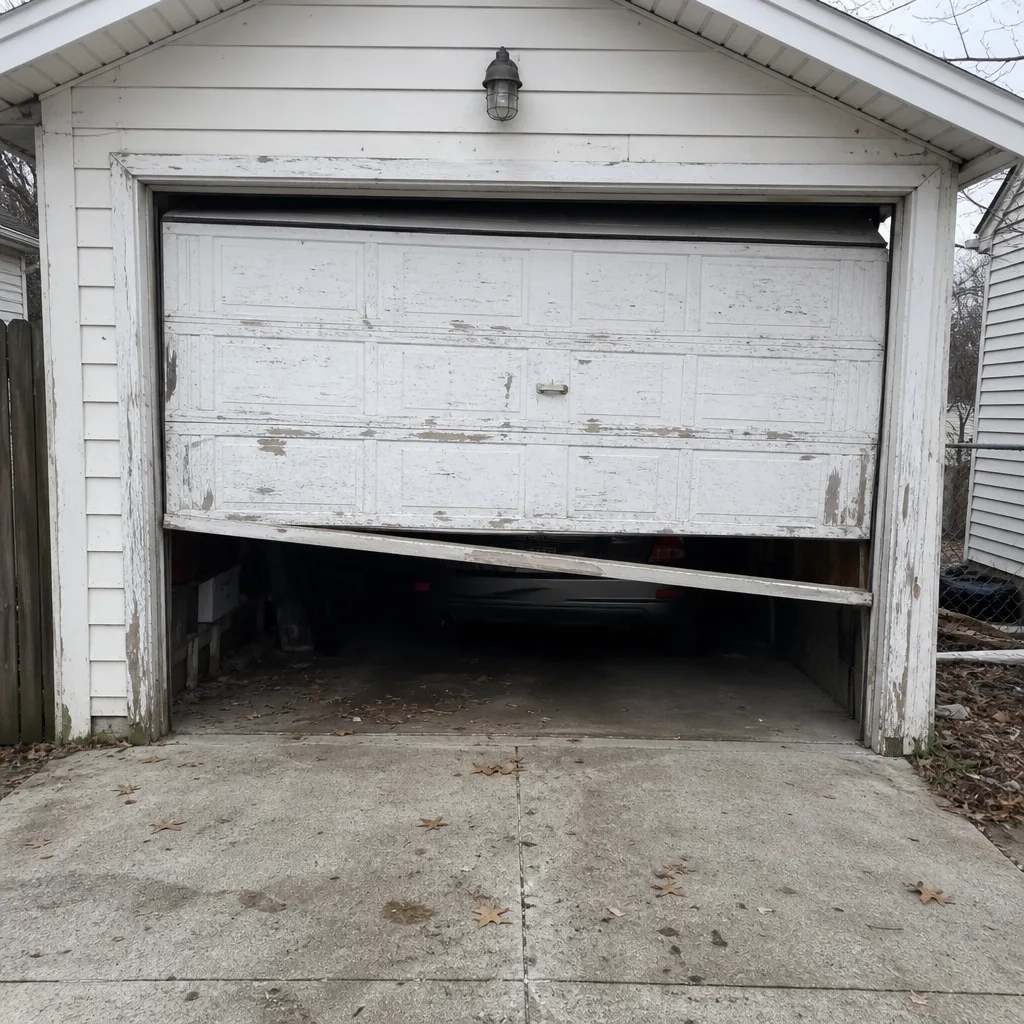 Before
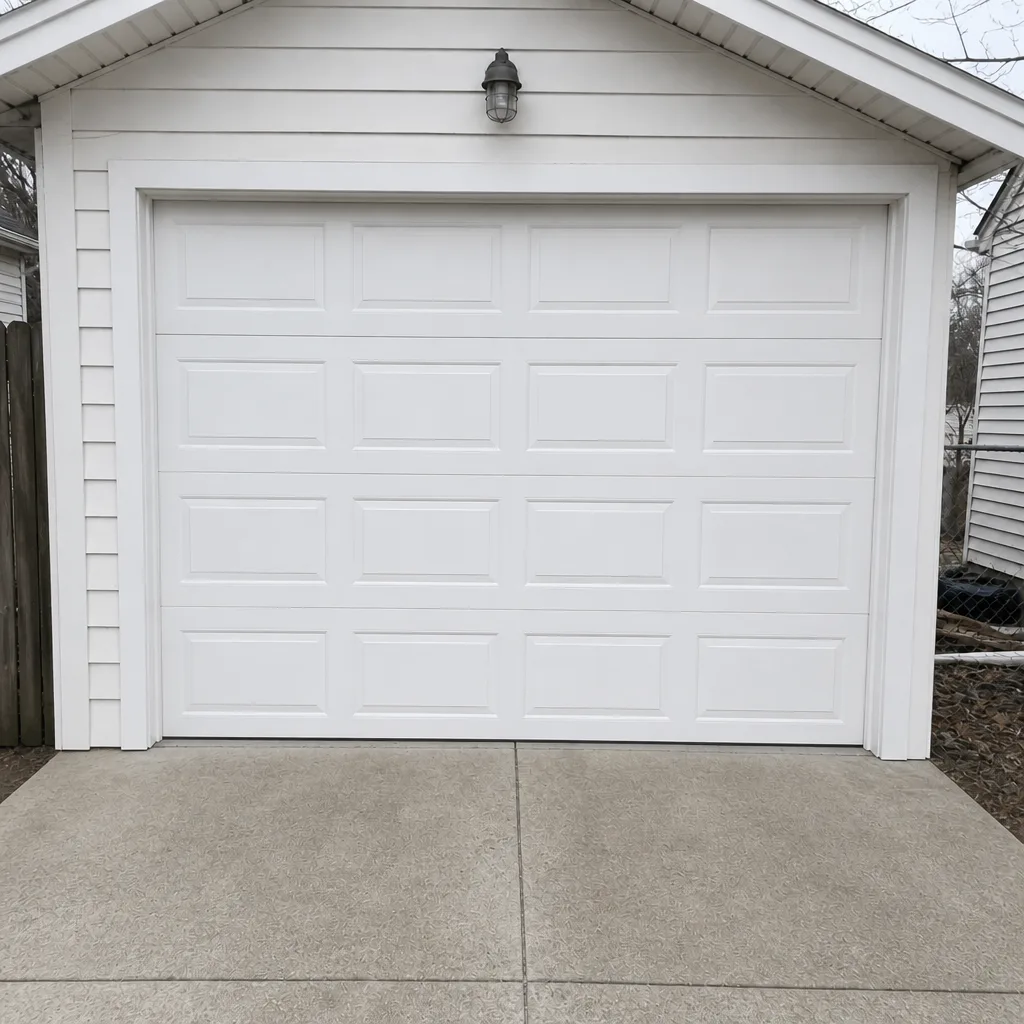 After
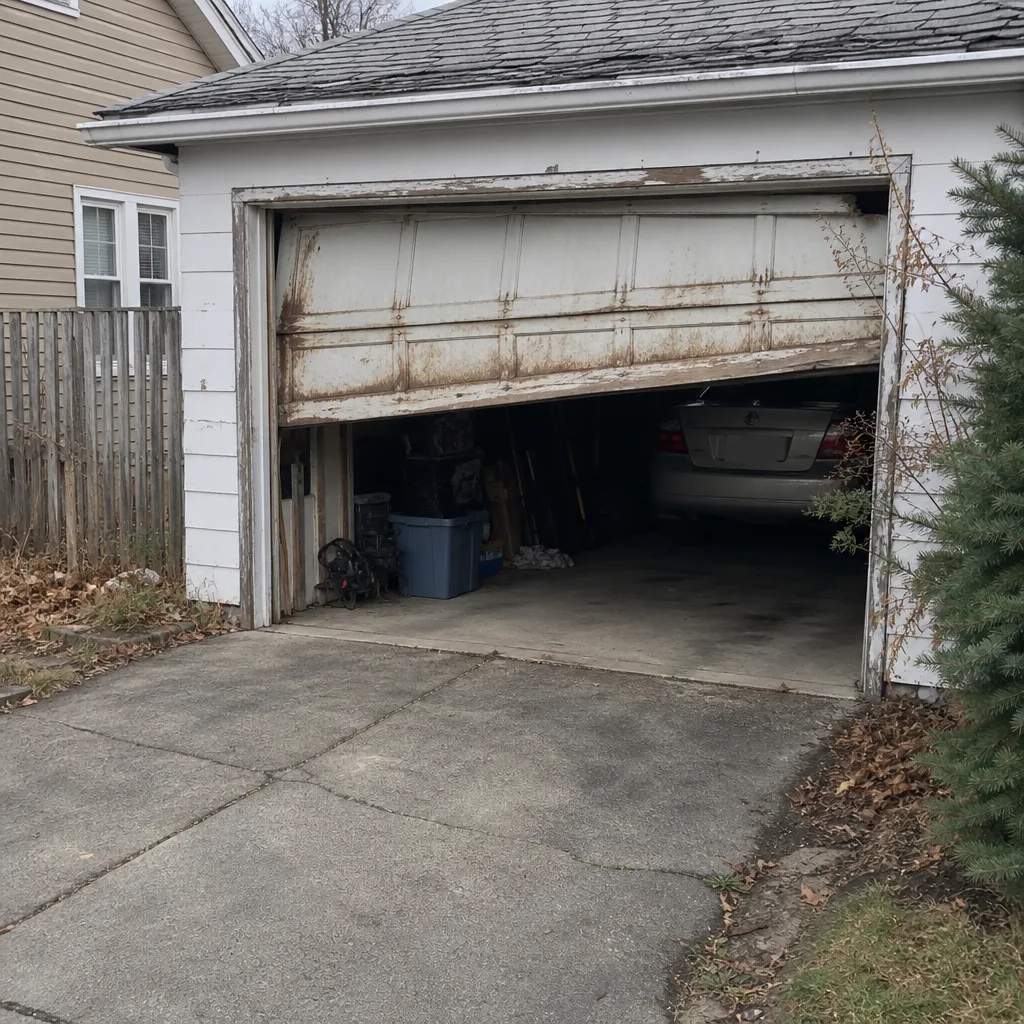 Before
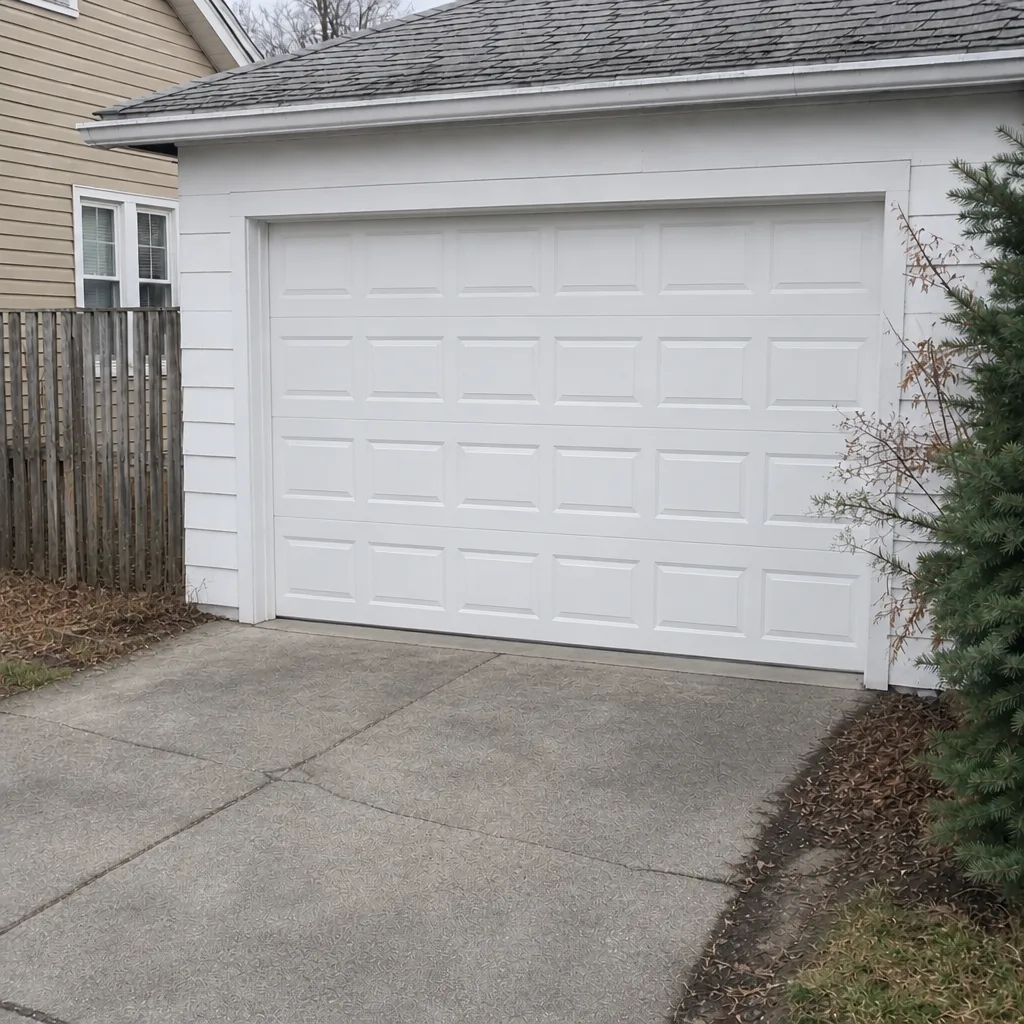 After
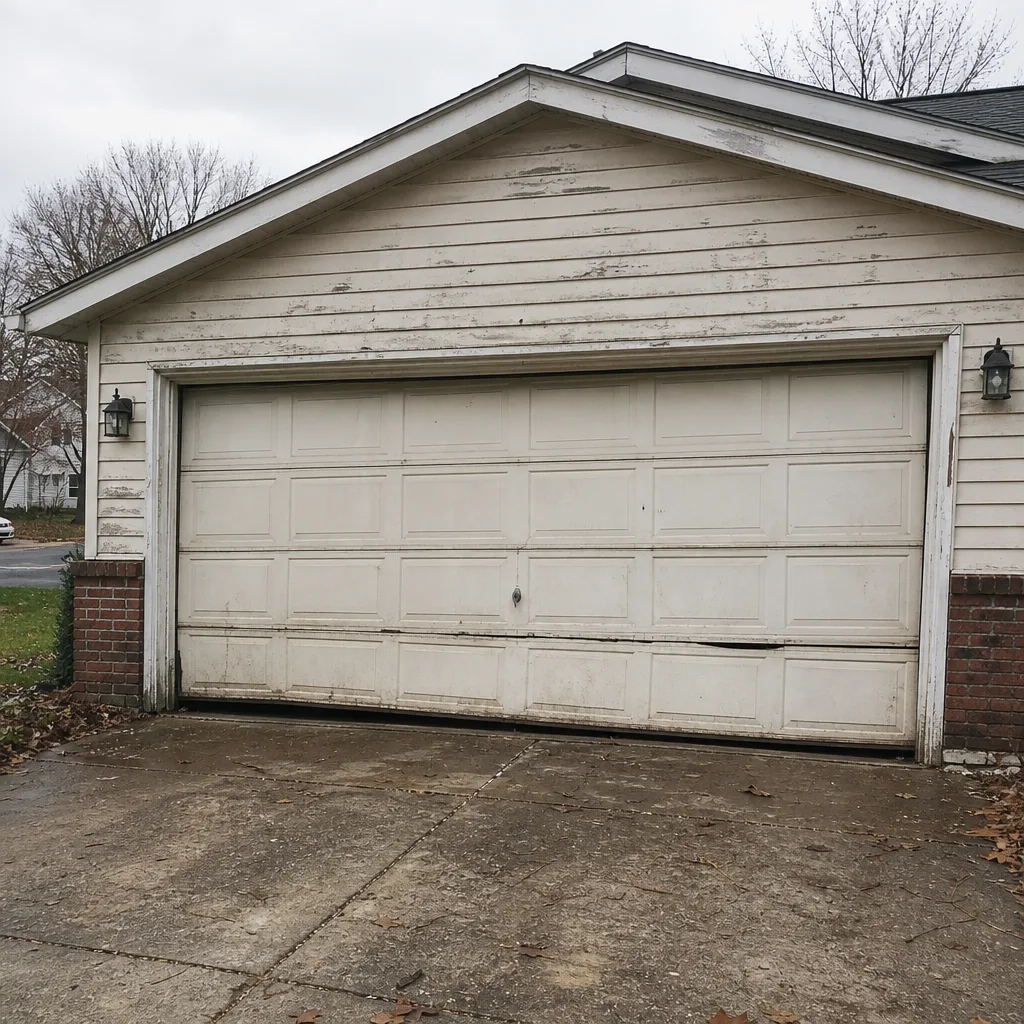 Before
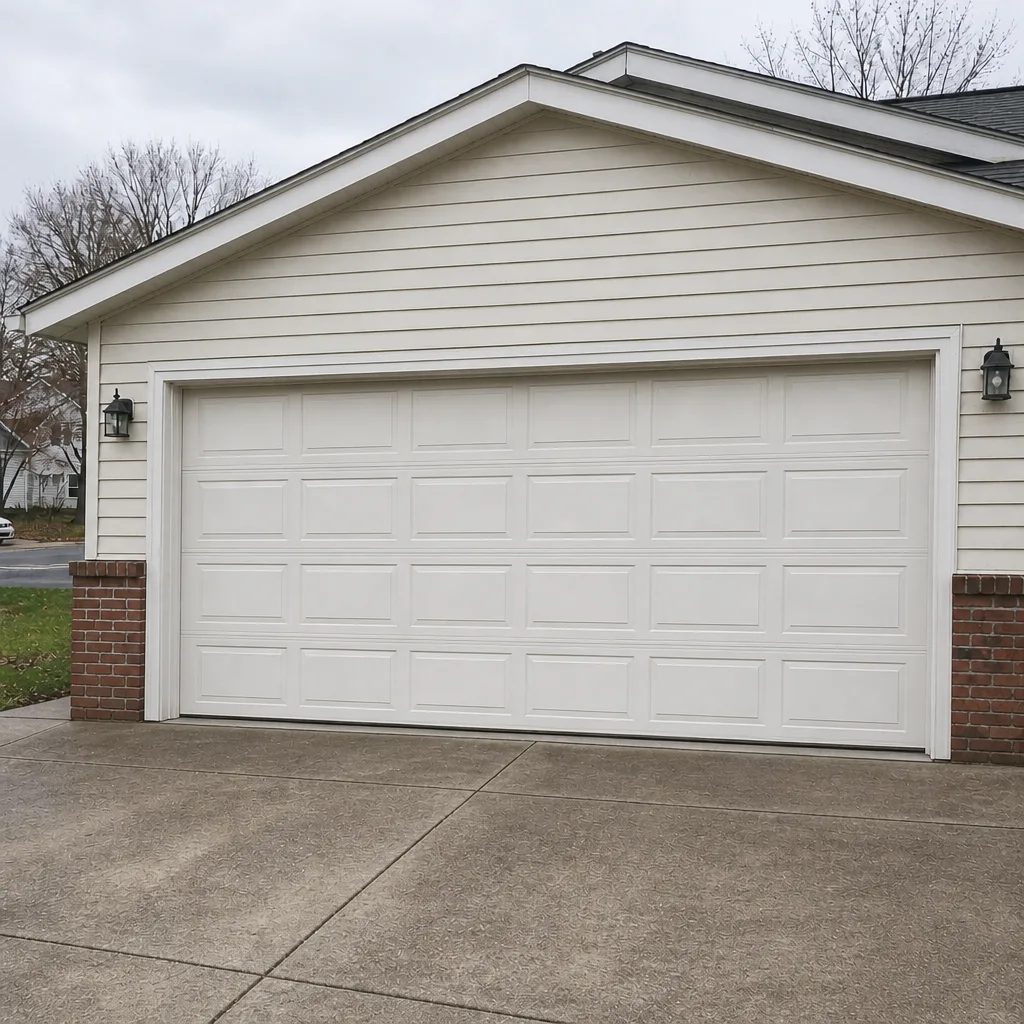 After
When to Call a Professional
Some jobs are a technician call, and some are a homeowner task. Call a professional when a spring has broken, a cable is slack or snapped, the door has come off its track, or the opener runs but the door doesn’t move. Call when the door is loud, binds in cold weather, or reverses before closing. Call before winter if the door is slow to start or the opener strains, because a fixable problem in October becomes an emergency in January in Syracuse. Door balance, opener force settings, and spring replacement all belong to a trained technician, not a handyman. Southgate Garage Door Service offers free estimates in Syracuse – call (855) 360-7984. Our technicians have up to 10 years of experience, and we work across the brands most often installed in homes here. If you’d rather not wait for a cold-weather failure, an estimate now is the simplest way to plan.
Frequently Asked Questions
New York doesn’t issue a garage-door-specific license. What the state does require is a Home Improvement Contractor registration through the NYS Department of State for paid home improvement work, plus general liability insurance. Ask any contractor for their registration number and a current certificate of insurance, and confirm both through the state database before booking.
Ask whether they’re an authorized dealer for a single brand. If they are, their repair advisory is shaped by that brand’s catalog. A contractor who services multiple brands – LiftMaster, Chamberlain, Genie, Clopay, and others – can recommend a repair when the existing door has life left. Then ask for a diagnosis with specific components, not a general recommendation.
Springs fail most often in Syracuse because Central New York’s cold winters make spring steel more brittle and because the freeze-thaw cycle adds stress. A spring that’s nearing the end of its rated life is more likely to fail during a cold snap. That’s why checking the door in late fall, before the first freeze, prevents most winter failures.
Replace the pair. Springs on a matched pair carry the same load and wear at the same rate, so when one breaks, the other is usually near failure. Replacing one spring often means a second service call in a matter of months. The written estimate should list whether it’s one spring or a pair, and the cycle rating on each.
No. Torsion springs are under extreme tension, and a spring or cable that releases mid-job can cause serious injury. That work belongs to a trained garage door technician with the right tools and insurance. If the door has come off its track or a cable is slack, stop using it and call a professional.
Compare line by line, not by total. List the spring type and cycle rating, opener model, panel or door specs, hardware, and whether haul-away and track work are included. Two quotes that differ on the bottom line may differ on scope, and only the itemized version tells you which contractor is handling the actual problem.
The Bottom Line
The right garage door contractor in Syracuse is one you can verify, one who diagnoses before recommending, and one whose advice isn’t tied to a single brand. Check registration and insurance, ask the five questions on the phone, and compare quotes line by line. If a contractor can’t explain spring types, parts sourcing, or repair-versus-replace logic with specific answers, keep looking. Southgate Garage Door Service works across eight major brands, handles repair, opener repair, and installation under one roof, and quotes the price before any work starts. Free estimates: call (855) 360-7984. We answer 24/7. Fast dispatch from 7am to 7pm, Sunday through Friday.
Written by the team at Southgate Garage Door Service.