
Last updated November 15, 2026
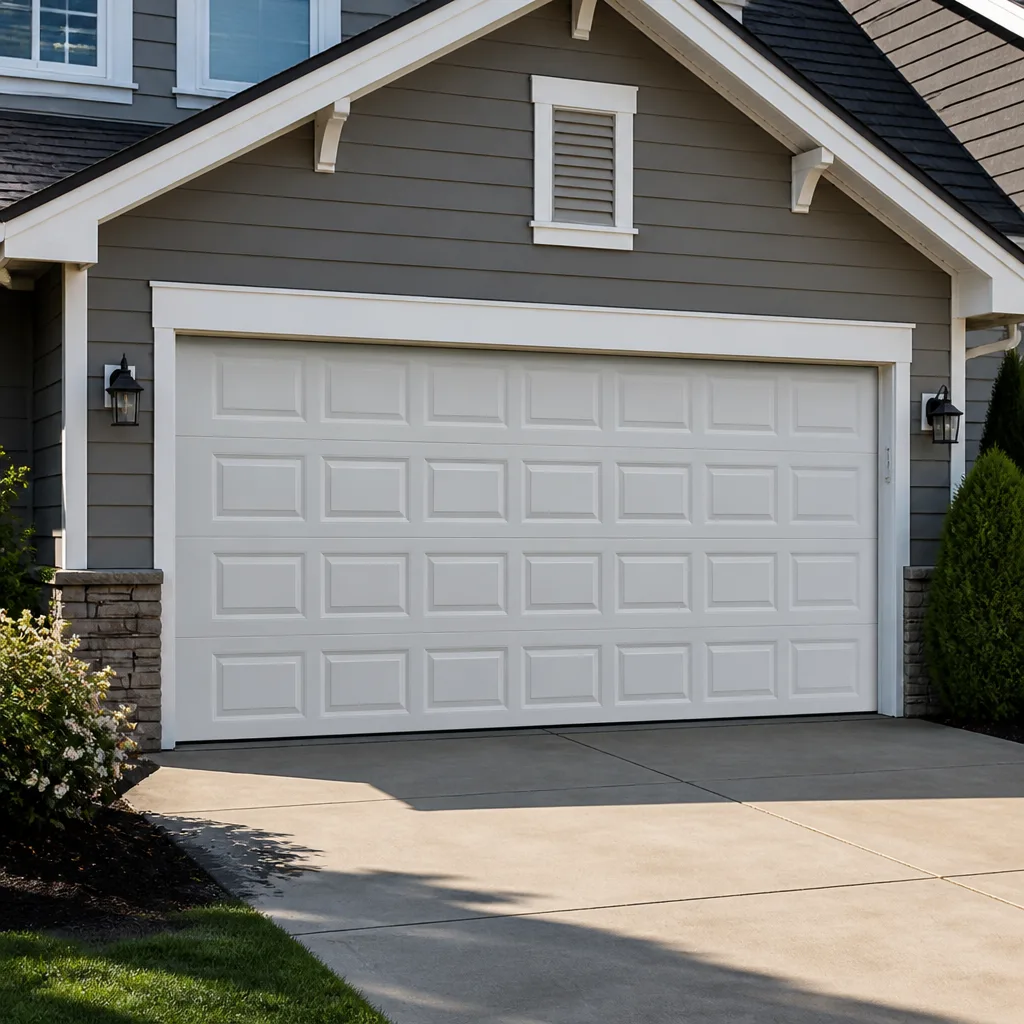 Raised-panel steel
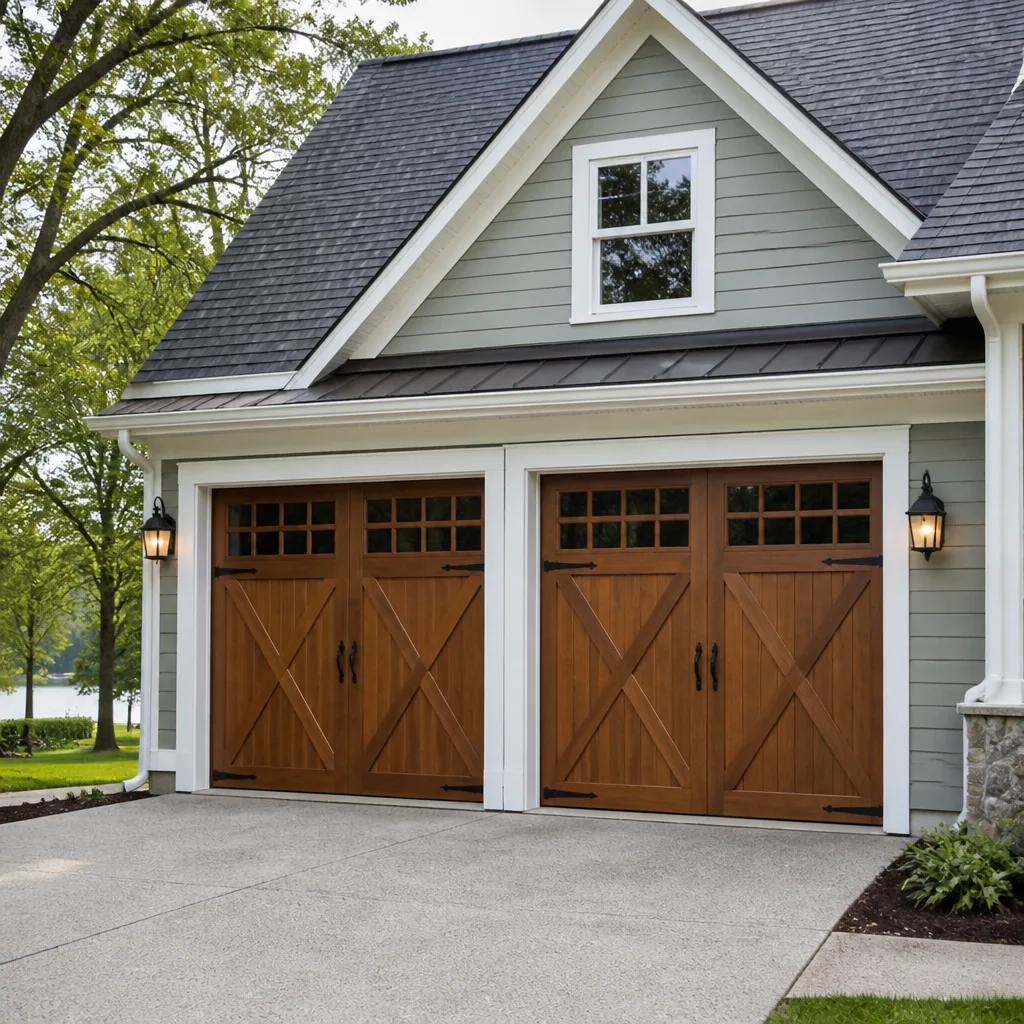 Carriage house
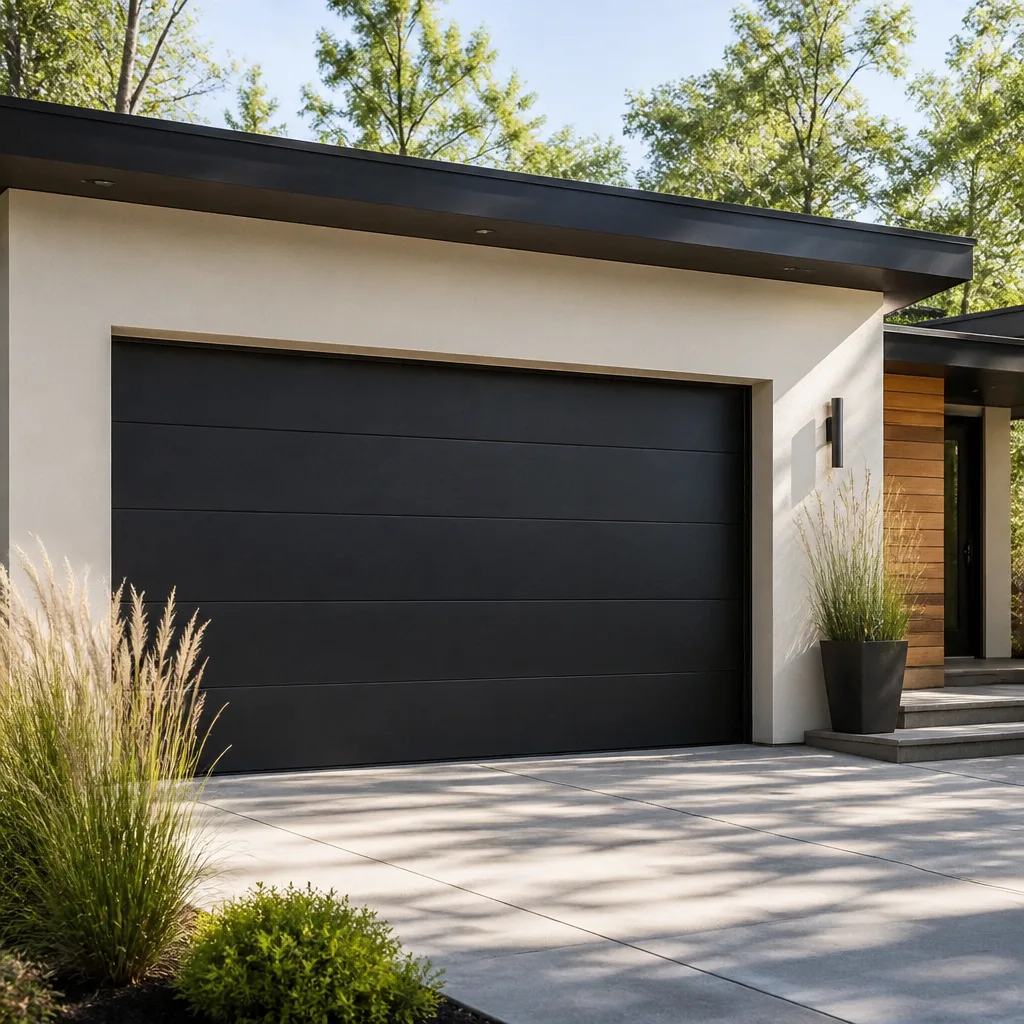 Modern flush
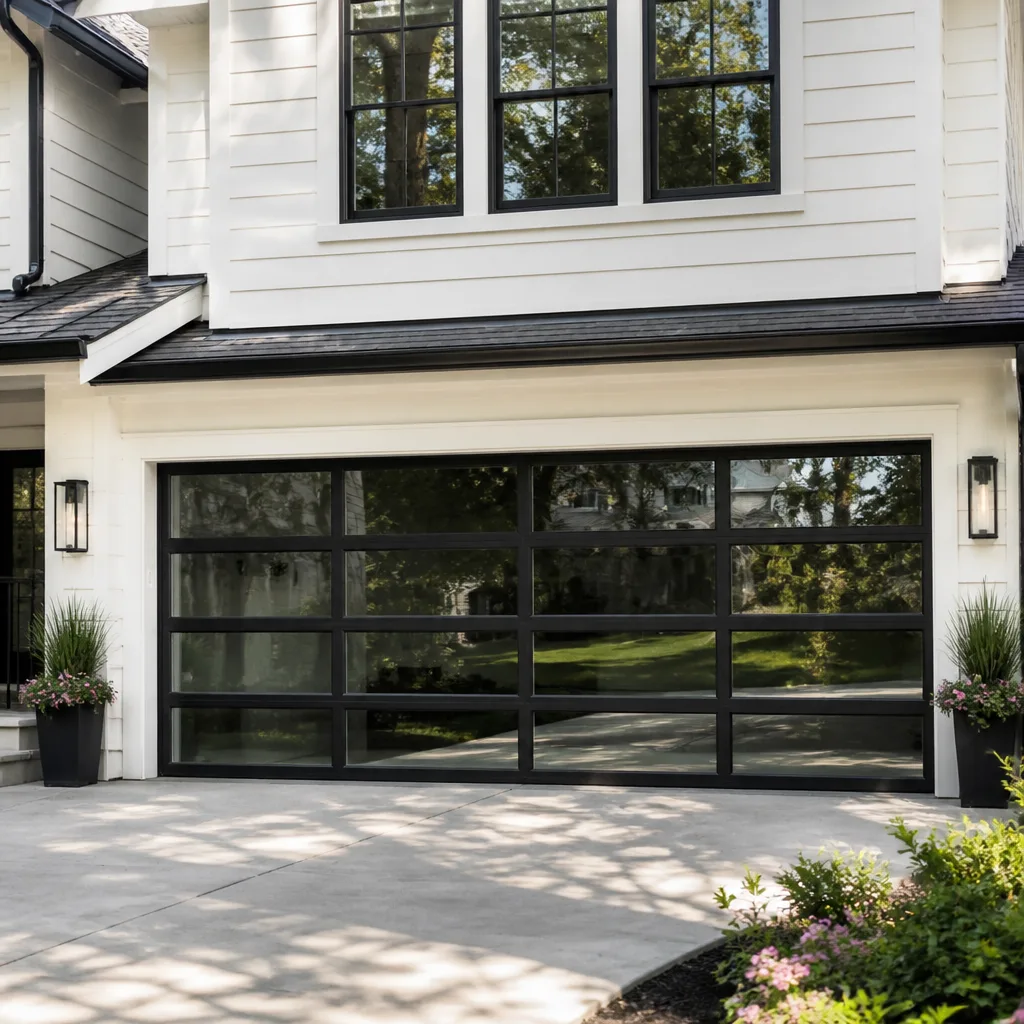 Full-view glass
 LiftMaster openers
 Chamberlain openers
Full 25-point door and opener safety check with every visit - springs, cables, rollers, tracks, and your LiftMaster or Chamberlain opener included
You get a price before we start. It does not change when the pro arrives.
Get your free estimateGarage Door Repair Troubleshooting in Syracuse: Common Problems and How to Fix Them
A garage door that reverses before it touches the ground usually isn’t broken. Nine times out of ten, one of the two safety sensors at the bottom of the track has been nudged a quarter inch out of line, and the door is doing exactly what it was built to do: refusing to close on something it can’t see past. That’s a two-minute fix. The homeowner who assumes the opener is dying may spend money on a replacement motor they never needed.
The reverse can also be true. A door that grinds, shudders, or hangs crooked is often waving a flag at a mechanical problem that has nothing to do with the motor or the sensors. This guide works backward from what you see and hear to what’s actually wrong, so you can tell a $0 fix from a repair that needs a trained technician in Syracuse.
Quick Answer
Most garage door problems in Syracuse trace back to one of five sources: misaligned safety sensors, worn rollers and hinges, a failing torsion or extension spring, a track that’s been knocked out of plumb, or an opener logic fault. You can safely clean, lubricate, and realign sensors and tracks yourself. Anything involving springs, cables, or the counterbalance system should go to a trained technician, full stop.
Styles & brands we work with
- Raised-panel steel
- Carriage house
- Modern flush
- Full-view glass
- LiftMaster openers
- Chamberlain openers
Table of Contents
- Symptom-to-Cause: What Your Door Is Telling You
- Safe 10-Minute Fixes vs. Hands-Off Repairs
- How Syracuse Winters Wreck Your Door (and How to Tell Cold Damage From Wear)
- What Your Opener’s Blinking LED Is Telling You
- The Second-Opinion Checklist Before You Call
- Brand Matters Less Than the Diagnosis
- Repair or Replace? How to Decide
Symptom-to-Cause: What Your Door Is Telling You
Every garage door noise and behavior has a physical origin, and matching the symptom to the cause is the whole game. Here’s the diagnostic tree we use when a homeowner describes a problem over the phone. A grinding sound is usually dry or worn rollers in the track, or a hinge that’s lost its lubrication. A squeal that rises as the door climbs points to metal-on-metal contact in the rollers or the bearing plates at the ends of the torsion shaft. A single sharp pop, especially when the door first starts to move, often means a torsion spring is close to failing, and the door should not be used until it’s inspected.
Behavior tells you as much as sound. A door that reverses immediately after touching the floor has a sensor or travel-limit problem, not a motor problem. A door that stops halfway and reverses is usually fighting excess resistance, from a bound track, a worn roller, or a door that’s gone out of balance. A door that hangs with one side visibly lower than the other has either a broken spring on one side of an extension-spring system, a snapped cable, or a roller that’s popped out of the track. Each of those is a different repair.
- Grinding: dry rollers, worn hinges, or track friction
- Squealing: bearing plates or metal rollers that need lubrication or replacement
- Popping: torsion spring nearing failure, or a cable jumping its drum
- Reversing on contact: safety sensors or travel limits
- Stopping mid-travel: resistance from a bound track or out-of-balance door
- One side low: broken spring, snapped cable, or a roller out of the track
For anything in that list tied to springs or cables, the next step is a technician, not a tool. We handle those garage door repair calls across Syracuse every week, and the diagnosis usually takes less time than the drive.
Safe 10-Minute Fixes vs. Hands-Off Repairs
Some garage door problems are genuinely homeowner-fixable, and knowing which is which keeps you safe and saves money. The line to hold is simple: anything under tension is off-limits. Torsion springs, extension springs, and the cables that run alongside them store enough energy to cause serious injury if they release unpredictably. That’s not a warning to scare you; it’s the reason trained technicians use specific winding bars and take the tension off in a controlled sequence. A homeowner with a pair of pliers should never be on that job.
Here’s what you can do yourself, safely:
- Realign the safety sensors. The two small lenses near the floor should point at each other and both show a steady light. Nudge and retighten.
- Clear the sensor path. Spiderwebs, leaves, and a stray broom handle will all trip the door.
- Lubricate rollers, hinges, and the torsion shaft bearings. A garage-door-rated lubricant, not WD-40, keeps things quiet.
- Wipe the tracks clean with a damp cloth. Don’t grease them; grease attracts grit.
- Check the bottom seal for gaps. A worn seal lets in cold air and water, and can trip the door’s reverse.
- Test the balance. Disconnect the opener and lift the door to waist height by hand. It should stay there. If it drops or climbs on its own, the counterbalance needs a technician.
- Reset the opener. Cut power at the outlet for 30 seconds, then restore. This clears many logic faults.
If the door still misbehaves after that list, the problem is almost certainly in the tension system or the opener’s internal travel limits. Both require a trained hand. Our technicians have up to 10 years of experience on exactly these diagnoses.
How Syracuse Winters Wreck Your Door (and How to Tell Cold Damage From Wear)
Winter does things to garage doors that don’t happen anywhere warm, and the damage shows up in patterns Syracuse homeowners learn to recognize. The freeze-thaw cycles we get along the lake push moisture into the bottom of the door panel, then expand it when it refreezes. That’s why bottom seals and the lower panels tend to fail first here, not the middle of the door. Snow packed against the door from the driveway pushes the seal up off the floor, and the door can’t close flush against a drift.
Cold also changes metal. Steel tracks contract and can pull slightly out of alignment when temperatures drop, which is why a door that worked fine in October suddenly grinds in January. The lubricant in your rollers thickens and stops doing its job. Sensors fog over. And the torsion spring, which is already cycling under load, becomes more brittle as the temperature drops. A spring that’s been slowly weakening for months is more likely to give out in a cold snap.
To tell cold-weather symptoms from mechanical wear:
- If it only acts up below freezing and works fine on a mild day, you’re looking at contraction or lubrication, not a broken part.
- If it started after a specific event (a snow plow spraying the driveway, a heavy drift against the door) check for a bent track or a shifted seal first.
- If the noise is consistent year-round and just louder in winter, the rollers or bearings are wearing out and need replacing.
- If the door hangs crooked or won’t stay up by hand, that’s a spring or cable issue regardless of the season.
On a Syracuse door, the practical answer is to check the bottom seal and track alignment as soon as the first hard freeze hits, before small problems become spring replacements.
What Your Opener’s Blinking LED Is Telling You
Your opener’s diagnostic LED is the most underused troubleshooting tool in the garage. Every major brand blinks a specific pattern to tell you what it thinks is wrong, and the codes are shorter than most people expect. A few patterns repeat across brands with only minor variation, so this cross-brand reference covers the most common systems in use.
- One flash, pause: safety sensor fault on most LiftMaster and Chamberlain units. Check alignment and the sensor’s wiring.
- Two flashes: blocked sensor path or a sensor that’s failed. Wipe the lenses and check for obstruction.
- Three flashes: safety reversal system problem, or limits out of range.
- Four flashes: opener detects excess force or a door that’s binding.
- Five flashes: usually a limit switch fault or a mis-set travel limit.
- Continuous rapid blink: logic board fault or a power interruption. Try a hard reset.
- Genie units: often use longer patterns with a green or red status light; green steady usually means ready, red blink usually means the sensors or a limit is the issue.
If your opener is a LiftMaster or Chamberlain, and the code points to a sensor or board, that belongs in the garage door opener repair bucket rather than a door repair. We service both sides.
One word of caution on opener diagnosis: don’t chase codes into the board itself unless you know what you’re doing. The low-voltage wiring in an opener is safe to inspect, but the diagnostic path from “code 4” to “replace the logic board” involves checking balance, force settings, and the door’s mechanical drag first. A force fault is often a door problem masquerading as an opener problem.
The Second-Opinion Checklist Before You Call
You’ll get a faster, more accurate diagnosis if you can describe what the door is doing in specific terms. That’s also the best defense against getting sold work you don’t need. Before you pick up the phone, run this quick checklist so your description is concrete.
- What does it sound like? Grinding, squealing, popping, or nothing at all?
- When does it fail? On the way up, on the way down, or both?
- Does it reverse on contact, or stop mid-travel? That distinction separates sensor issues from force/balance issues.
- Is the door level? Look at the gap under the door from outside.
- What’s the opener’s LED pattern? Count the flashes and note the brand.
- When did it start? After a storm, a power flicker, a specific noise?
- Has the door been manually operable? Try disconnecting the opener and lifting by hand.
- Is the bottom seal intact? Check for cracks or a gap at the floor.
Walking through those eight questions before you call means a technician arrives knowing what to bring. It also means any quote you get is tied to a specific diagnosis rather than a vague “we’ll see what’s wrong when we get there.” An estimate is free and the final price is set in the written quote, agreed before any work starts.
Brand Matters Less Than the Diagnosis
Here’s a doctrine most garage door companies won’t say out loud: the brand on the door is rarely the reason it broke. A Clopay door and a Wayne Dalton door can both suffer the same worn rollers, the same sensor misalignment, the same dry torsion spring. What does matter is whether the technician is familiar with the specific hardware that brand uses, because a hinge, roller, or opener unit built for one system isn’t a bolt-in replacement for another. That’s why we work on what you already have across LiftMaster, Chamberlain, Genie, Clopay, Amarr, Wayne Dalton, Craftsman, and Raynor.
When it’s time to replace a part rather than repair it, a technician who sees competing brands can recommend based on fit and budget instead of what a single manufacturer wants sold. A Craftsman opener that’s nearing the end of its life is a different conversation than a premium Clopay door that’s still mechanically sound. And a full-service shop that handles repair, opener work, and new installation under one roof is a shop that can tell you, honestly, whether a repair makes sense or a new door delivers better long-term value.
If we can’t service a brand we don’t work on, we’ll tell you that up front rather than send a truck and charge for a diagnosis we can’t complete.
Repair or Replace? How to Decide
The repair-or-replace question is the one Syracuse homeowners ask most, and it has a practical framework. On a door that’s 10 to 15 years old with a single failed spring, a repair is almost always the answer, assuming the panels, tracks, and bottom seal are sound. On a door where multiple systems are failing at once (springs, tracks, rollers, seal, and a noisy opener) the repair cost starts to approach the cost of a new door, and the value of a replacement becomes the honest recommendation.
Climate adds a wrinkle here. Doors in Syracuse take a harder beating than doors in milder regions because of the freeze-thaw cycle, so a door that was installed ten years ago may already be showing panel corrosion or seal failure that a Phoenix door of the same age wouldn’t. If the bottom two panels are rusting at the seams or the seal has failed more than once, the door is telling you something about its future.
Three questions usually settle it:
- Is the door out of balance, or just noisy? Out of balance means a spring and possibly cables; noisy means rollers and hinges.
- How many systems are failing? One is a repair. Four is a replacement.
- Does the door match the rest of the house? A faded, leaking, out-of-style door on a remodeled home is a candidate for replacement even if it technically works.
Either path is fine. We give the same honest read whether you need a fix or a full Southgate Garage Door Service installation.
Common Mistakes to Avoid
- Assuming a reversing door means a dead opener. Nine times out of ten it’s a sensor that’s been nudged out of line, not the motor. Check that first before you spend money on diagnosis.
- Greasing the tracks. Tracks should stay dry. Grease traps grit that wears rollers faster. Clean them with a damp cloth instead.
- Using WD-40 on rollers and hinges. It’s a solvent, not a lubricant, and it strips the factory lubricant. Use a garage-door-rated spray.
- Ignoring a single loud pop. A pop often means a spring is about to fail. Continuing to run the opener puts stress on the cables and the door can come down off-balance.
- Trying a spring repair yourself. The springs are under enough tension to seriously hurt you. This is not a DIY job, in Syracuse or anywhere.
- Letting a bottom seal stay torn through winter. Freeze-thaw widens any gap. Check the seal before the first hard freeze, not after.
- Calling for a repair without describing the symptom. A vague call gets a vague diagnosis. Run the second-opinion checklist first.
See the difference
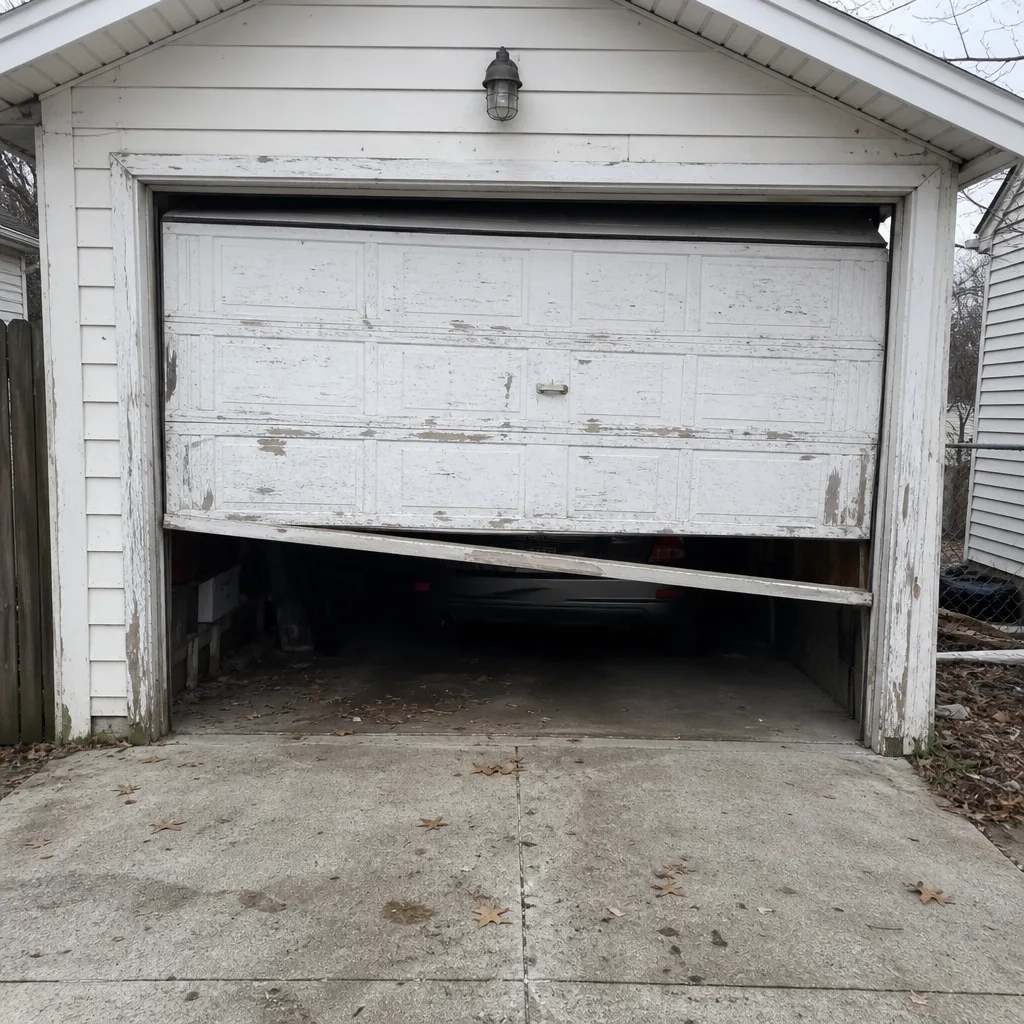 Before
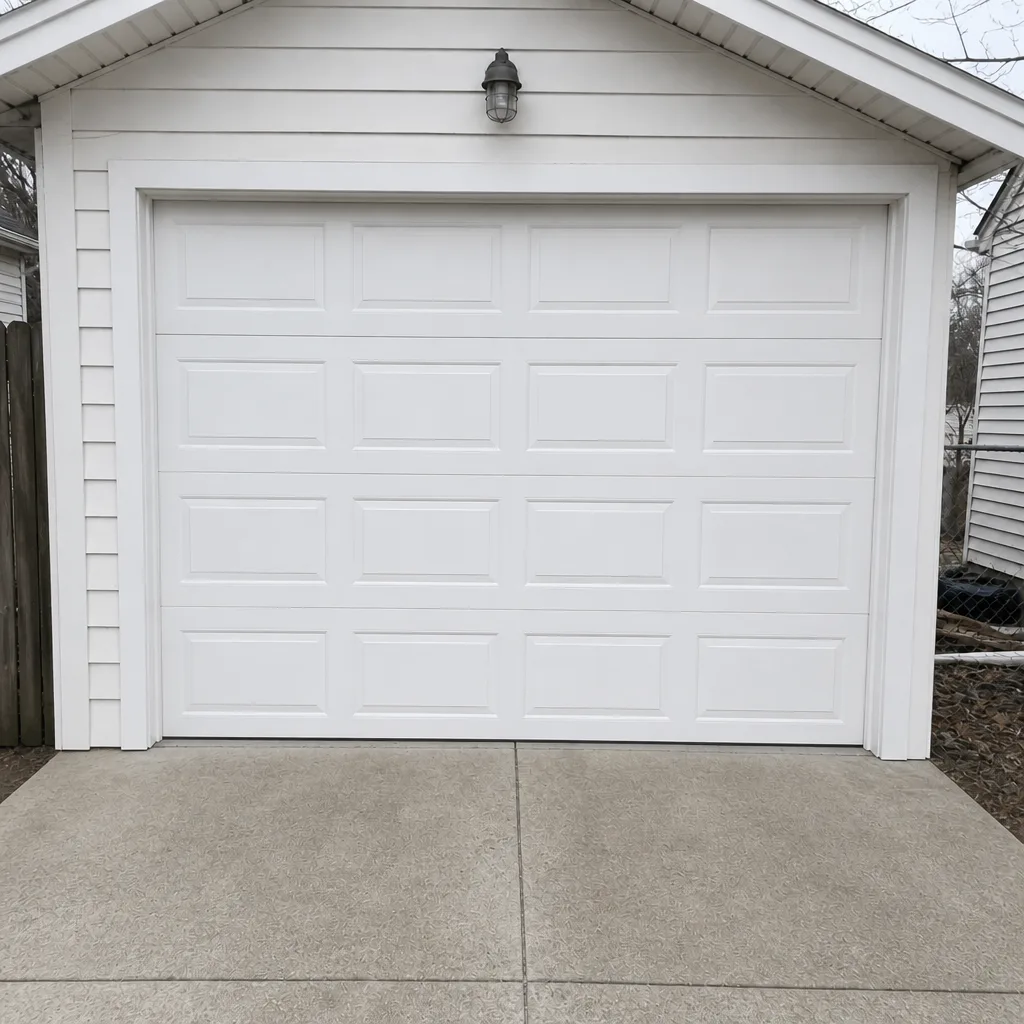 After
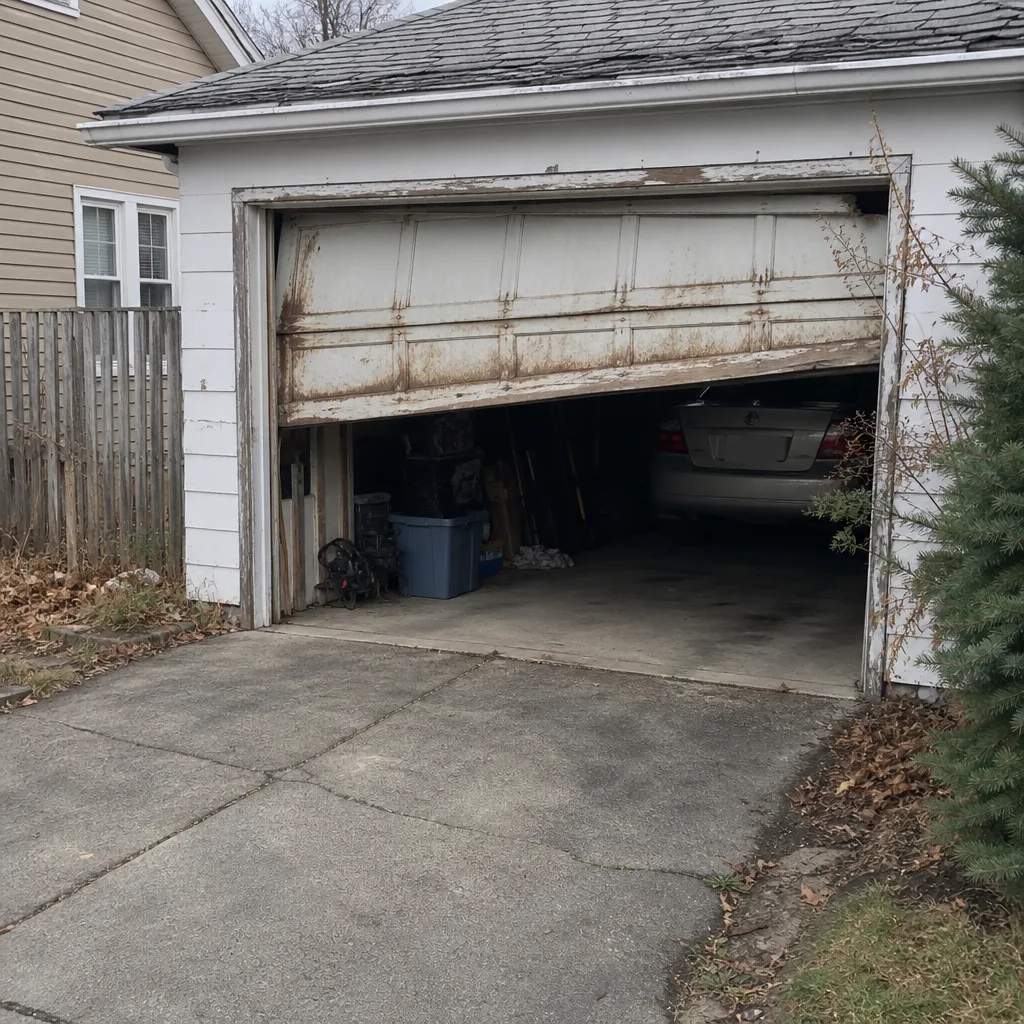 Before
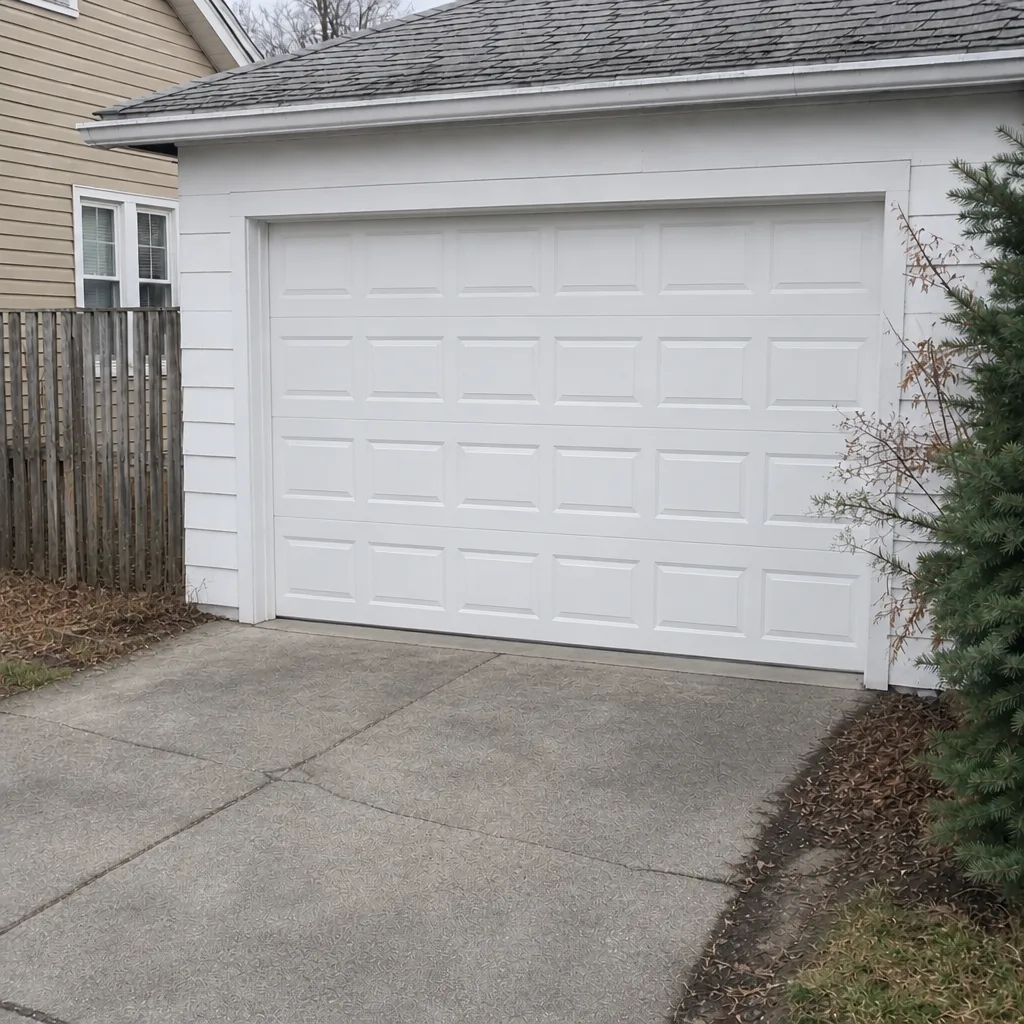 After
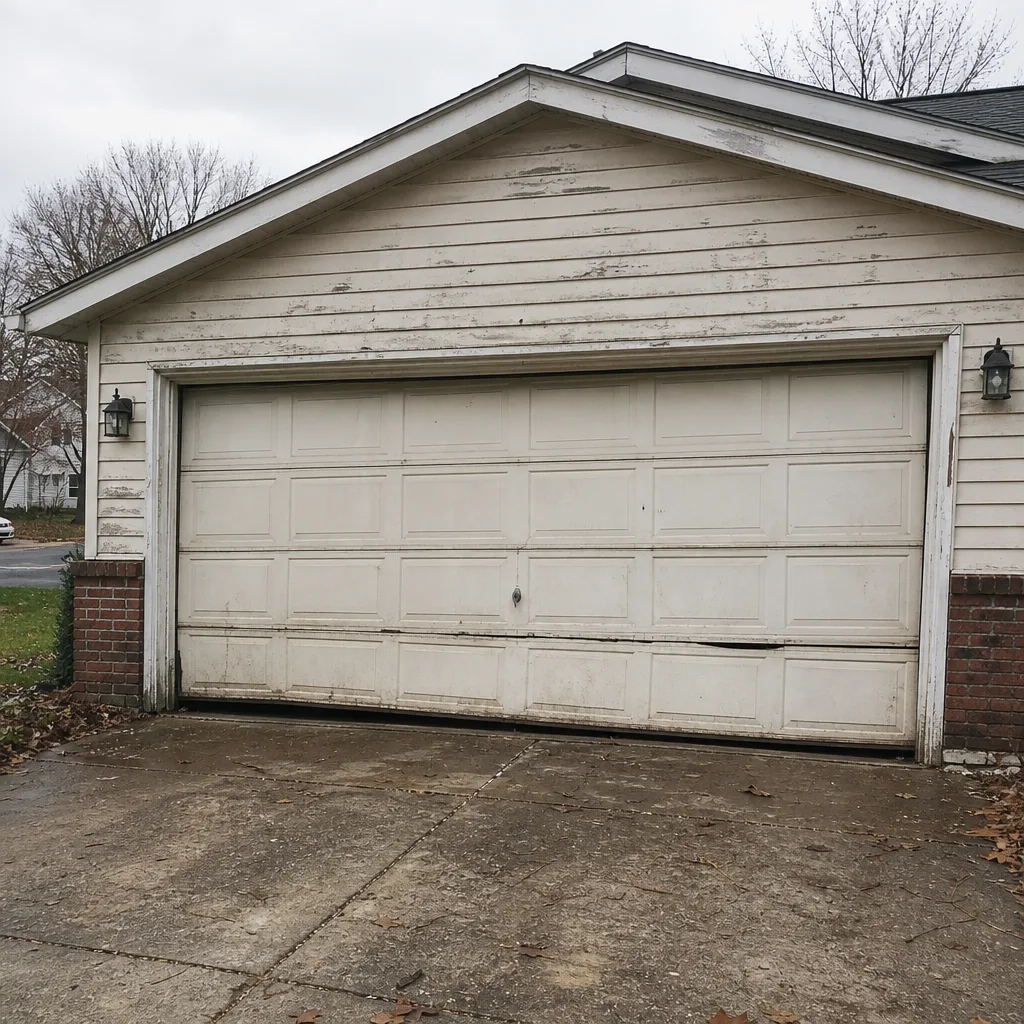 Before
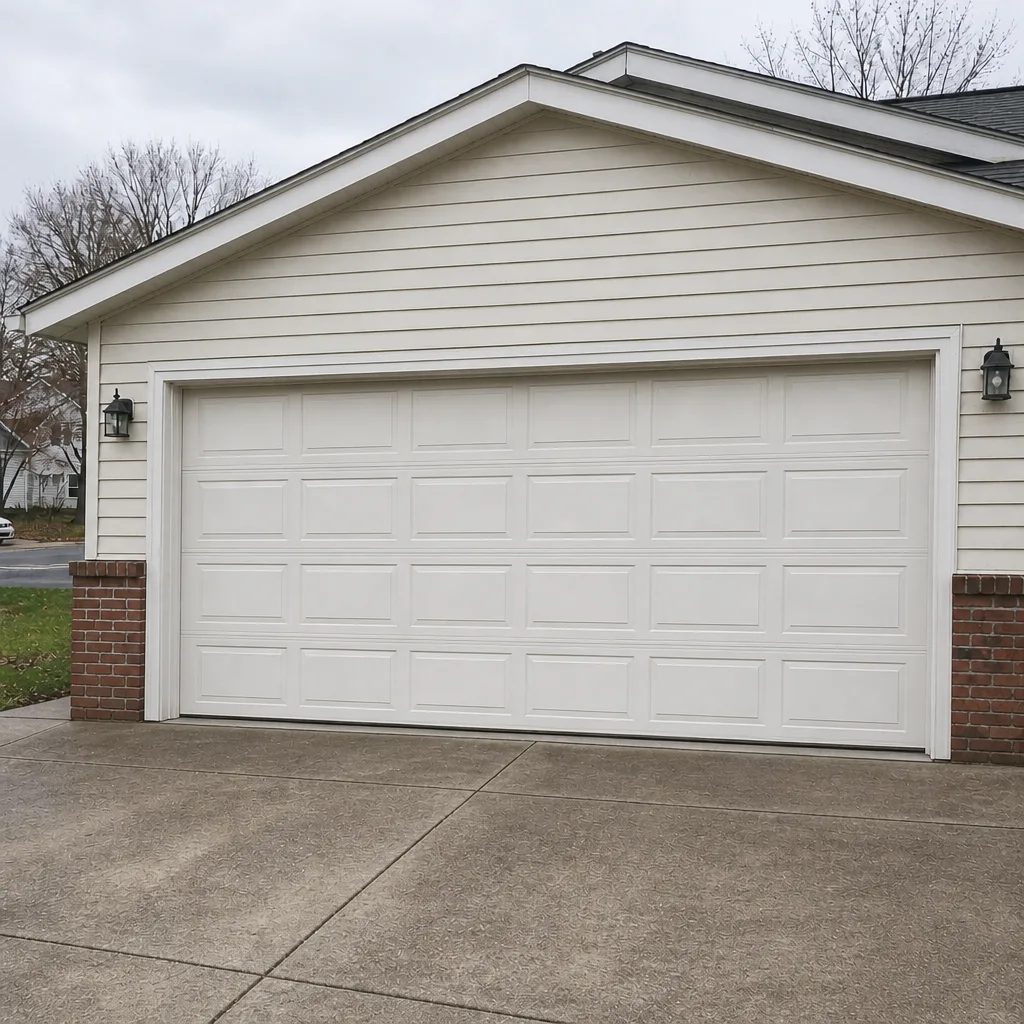 After
When to Call a Professional
Call a technician when the door is out of balance, when you’ve heard a pop or snap from the spring area, when a cable has jumped or come loose, when the door hangs crooked, or when a track is visibly bent. Any of those situations puts you or the door at risk of further damage, and continuing to use the opener makes it worse. Call us as well if the opener is throwing codes after a hard reset, or if the door reverses on contact even after you’ve cleaned and realigned the sensors. Southgate Garage Door Service offers free estimates in Syracuse. Call (855) 360-7984. We answer 24/7. Fast dispatch from 7am to 7pm, Sunday through Friday. A call outside dispatch hours is booked into the next opening.
Frequently Asked Questions
Your safety sensors are almost certainly out of alignment or blocked. The two lenses near the floor should point directly at each other, both showing a steady light, with nothing (spiderwebs, leaves, a broom) in between. Nudge and retighten them, then test the door. If the problem continues, a travel limit or force setting on the opener is the next place to look. Call (855) 360-7984 for an exact quote if you want a technician to diagnose it. Estimates are free.
Most repairs land in a typical range of $150 to $450 depending on what’s actually broken, with spring replacement on the higher end and sensor or roller work on the lower end. A matched pair of springs costs about twice a single spring, since they’re usually replaced together. The written estimate you get before any work starts is the price you pay. Call (855) 360-7984 for a free estimate.
No. We quote the job before we start, and the quote we agree to is the price. If we open the door up and find something the initial description didn’t capture, we tell you before doing the extra work rather than billing for it after the fact. You approve any change before it happens.
Often, yes. We answer 24/7 and dispatch crews Sunday through Friday, 7am to 7pm, closed Saturday. A call outside those dispatch hours gets booked into the next opening. When you call, have your symptom description ready (sound, when it fails, LED flash count) so we can send the right technician.
Yes. Our technicians are licensed and insured, and they have up to 10 years of experience. We service LiftMaster, Chamberlain, Genie, Clopay, Amarr, Wayne Dalton, Craftsman, and Raynor systems, so we’re equipped to work on whatever door or opener is installed at your house. Call (855) 360-7984 to book an estimate.
Often it is, and it’s usually not a sign of damage. Cold thickens lubricant in the rollers and shrinks metal tracks slightly, so a door that hums along in October sounds different in January. If the noise is a grind or a pop rather than a hum, or if the door starts hanging crooked, that’s a mechanical issue and worth a look regardless of the season.
The Bottom Line
Most garage door problems in Syracuse can be traced to a short list of causes: sensors, rollers, springs, tracks, or opener logic. The trick is reading the symptom correctly before you spend money on a fix. Sensors and lubrication are safe for you. Springs and cables are not. Check the bottom seal and track before the first hard freeze. And if you get as far as the diagnosis and still aren’t sure, a free estimate is the cheapest way to know. Call (855) 360-7984. We answer 24/7. Fast dispatch from 7am to 7pm, Sunday through Friday. Whether it’s a broken spring or a full new door, we can work on what you already have and recommend the right fix for your Syracuse home.
Written by the team at Southgate Garage Door Service.