
Last updated November 15, 2026
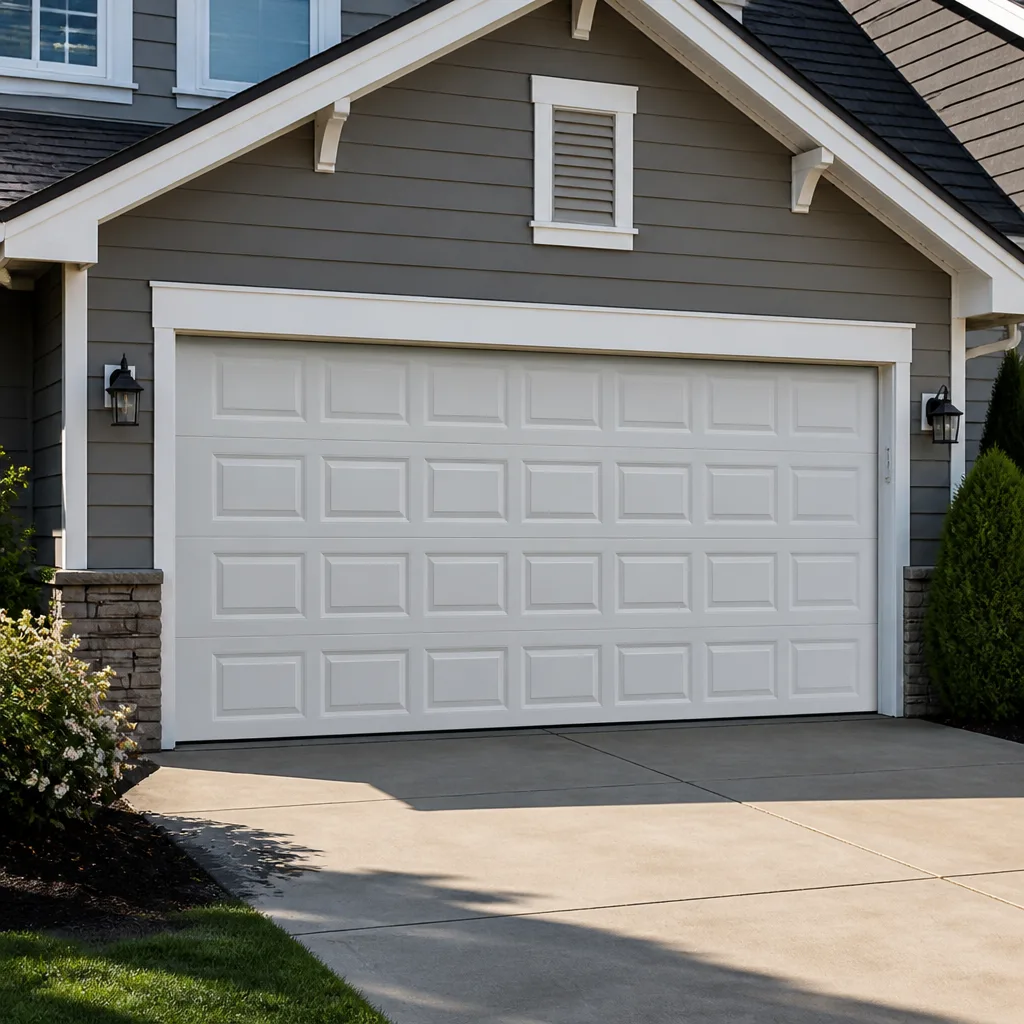 Raised-panel steel
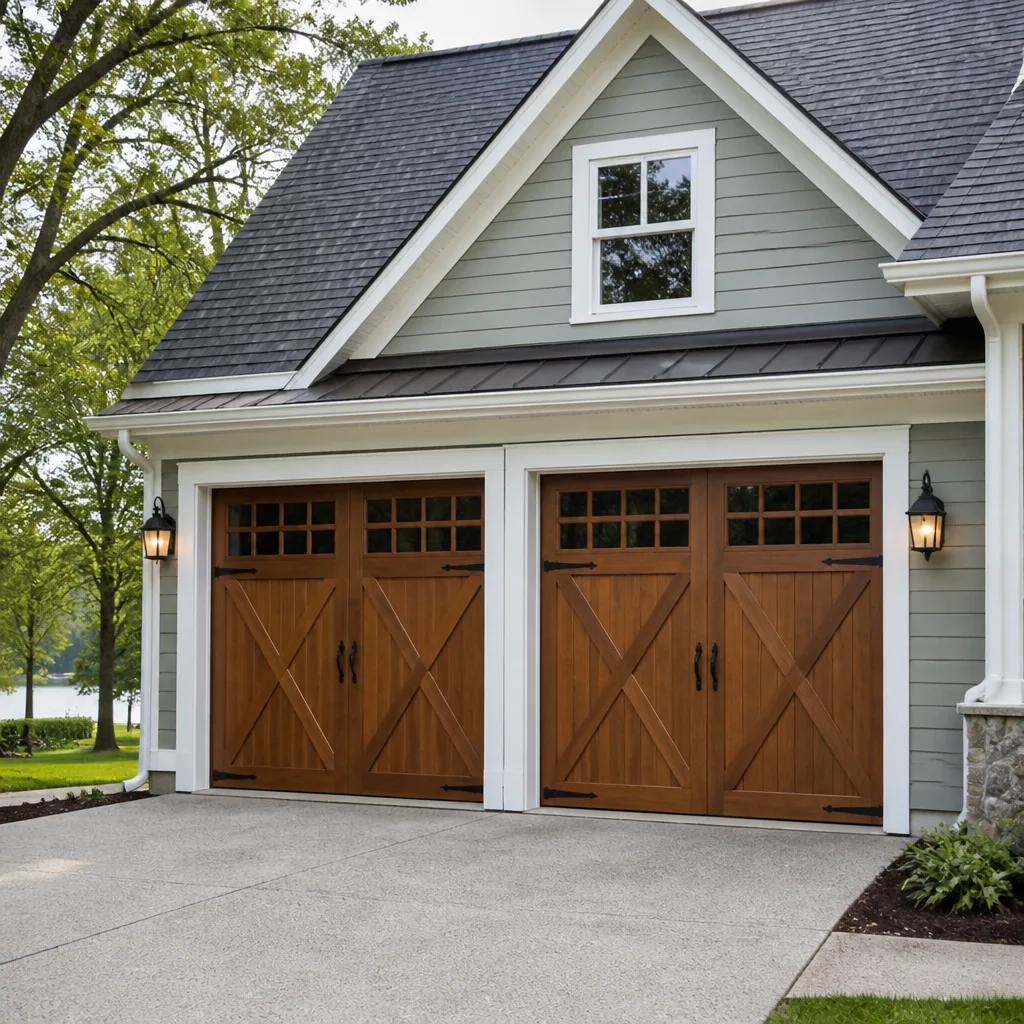 Carriage house
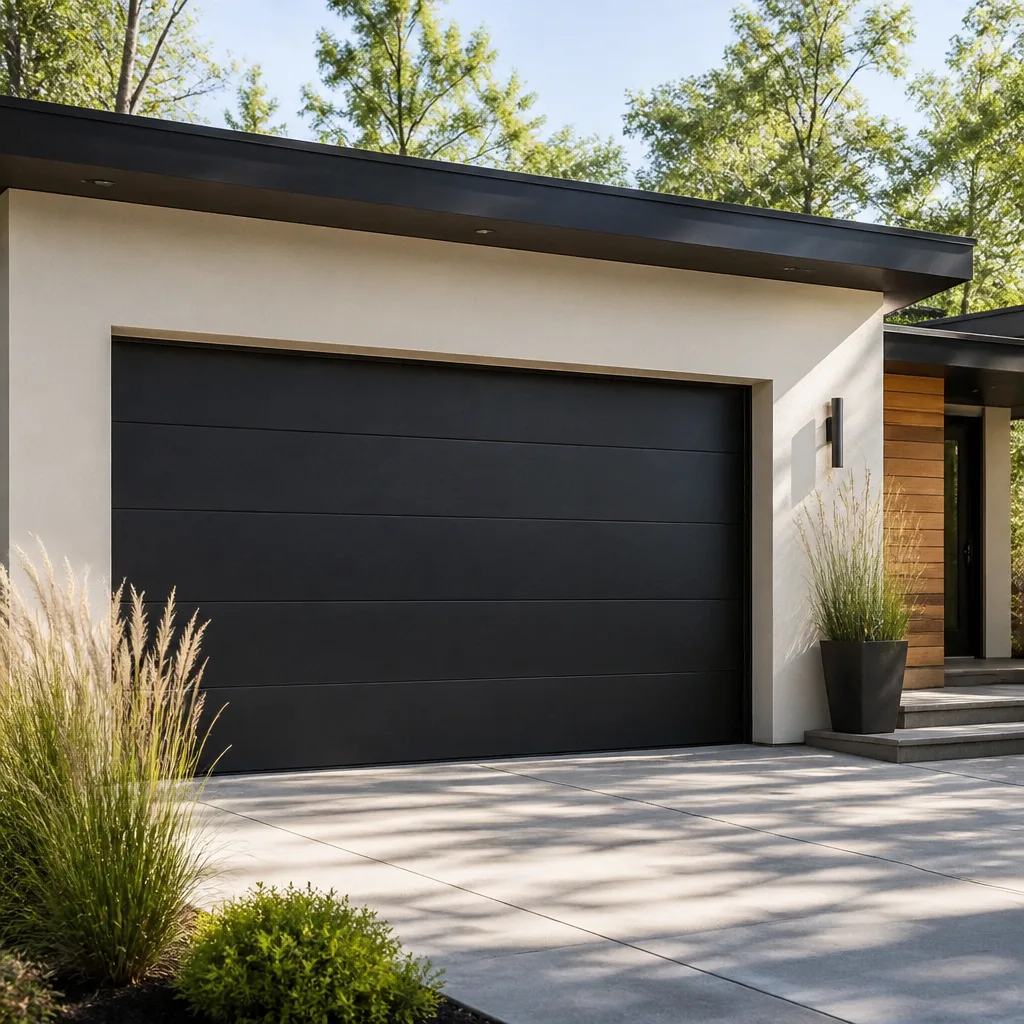 Modern flush
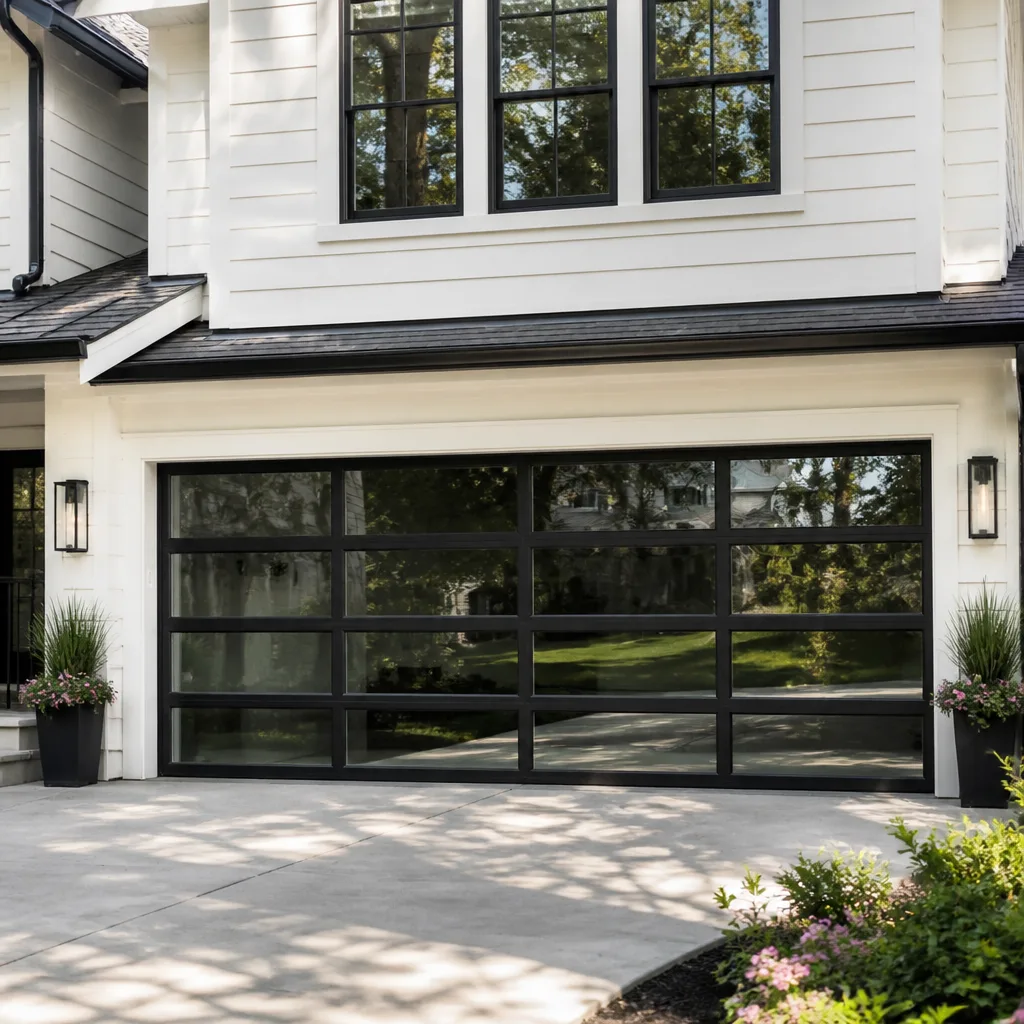 Full-view glass
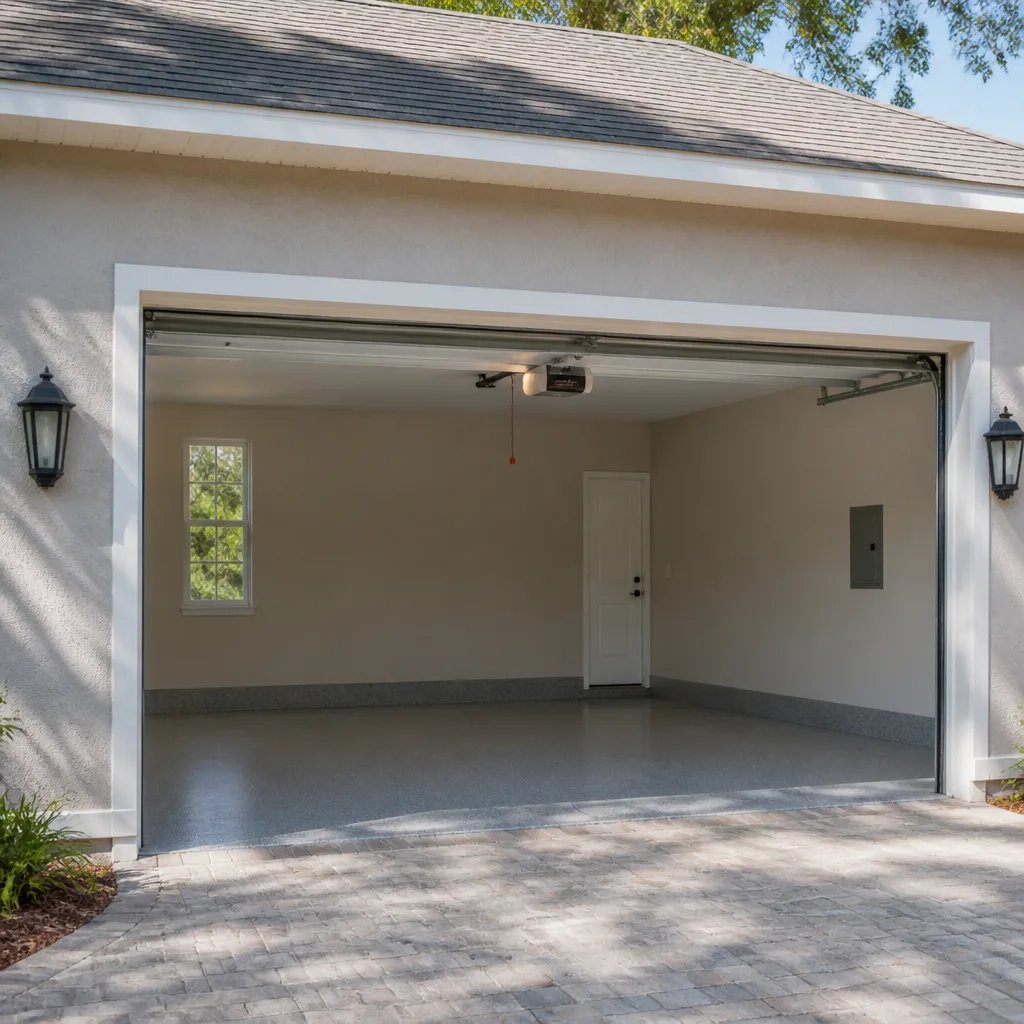 LiftMaster openers
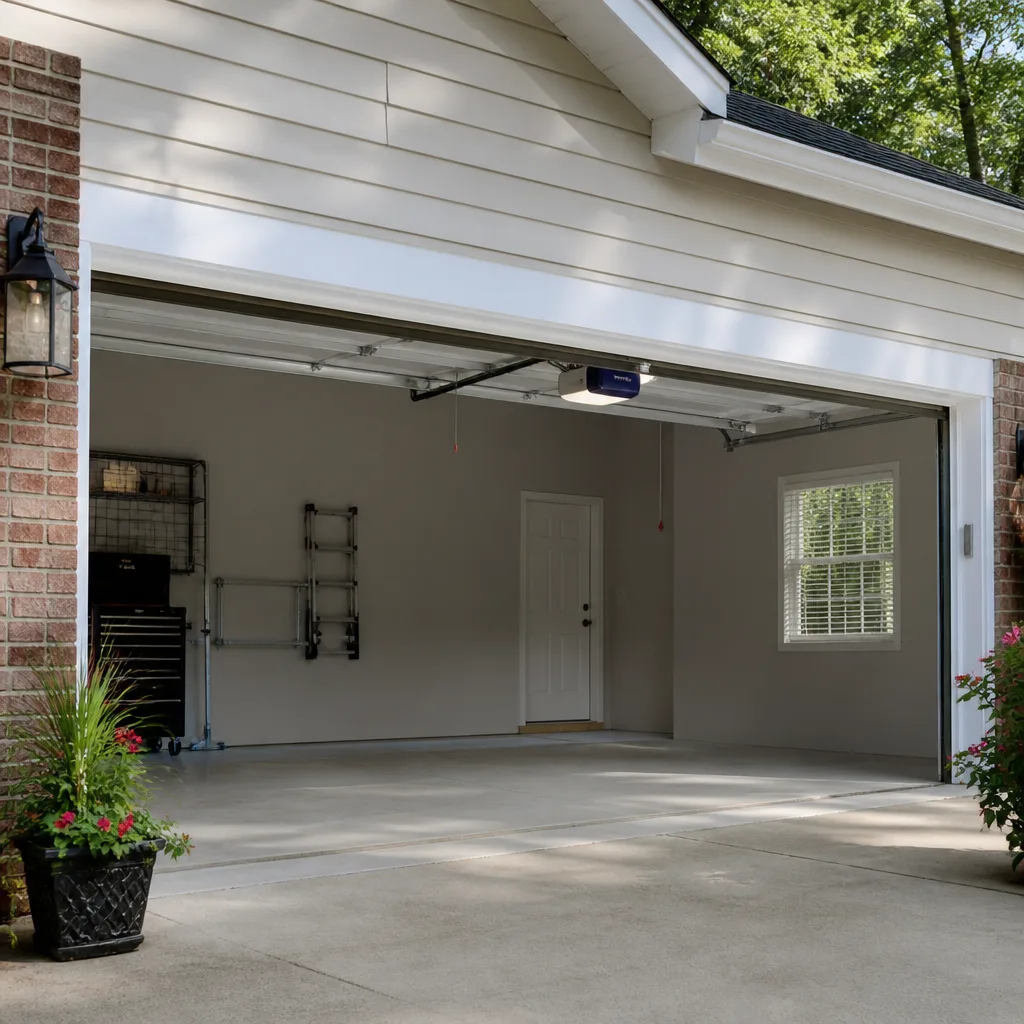 Chamberlain openers
Full 25-point door and opener safety check with every visit - springs, cables, rollers, tracks, and your LiftMaster or Chamberlain opener included
You get a price before we start. It does not change when the pro arrives.
Get your free estimateGarage Door Warning Signs: A Syracuse Homeowner’s Reference Guide
A grinding noise and a slow door are not the same problem. One is usually a lubrication issue; the other often signals a motor or spring under stress. Homeowners who can’t tell them apart tend to either over-pay for a repair they didn’t need or under-respond to one they did. That’s the gap this guide fills. Instead of handing you a flat list of symptoms, we’ve organized garage door warning signs by the component that’s actually failing, so you can walk outside, listen, look, and have an intelligent conversation with a technician. You’ll learn which signals point to springs, tracks, openers, panels, or seals, what a Syracuse winter does to each one, and which problems are safe to watch for a week versus which need a call today.
Quick Answer
The most serious garage door warning signs in Syracuse are a door that won’t stay up, a snapped or stretched spring, cables that look frayed or slack, and a door that slams or reverses without warning. Those need a same-day call. Grinding, squeaking, slow travel, and minor alignment drift are usually safe to monitor for a week or two, but they rarely fix themselves and often get more expensive if ignored.
Styles & brands we work with
- Raised-panel steel
- Carriage house
- Modern flush
- Full-view glass
- LiftMaster openers
- Chamberlain openers
Table of Contents
- Why Warning Signs Work Better as a Diagnostic System
- The Component-by-Component Symptom Map
- Signs That Show Up After a Syracuse Winter
- Signs of Age-Related Wear That Happen in Any Climate
- Risk Tiers: What to Monitor and What Needs a Call Today
- Working but Wearing Out vs. Genuinely Unsafe
- Warning Signs That Signal Repair vs. End-of-Life
- When to Call a Professional
Why Warning Signs Work Better as a Diagnostic System
Most garage door advice treats symptoms as a checklist. Noise here, wobble there, add them up and call somebody. That’s not how diagnosis actually works. A grinding sound at the top of travel and a grinding sound at the bottom of travel are different failures. A door that hesitates on the way up points somewhere different than a door that hesitates on the way down. When you group signs by component, the pattern tells you which part is straining, and that changes both the urgency and the likely cost.
Here’s what that means in practice. When you call a technician and say “my door is making a bad noise,” the first thing they have to do is translate. When you say “there’s a grinding at the top of the track and the door stumbles right before it closes,” the conversation starts in a much better place. You’re describing a location and a motion, and that narrows the diagnosis before anyone gets out of the vehicle.
We work on what you already have, whether it’s a Clopay steel door on a newer build or a Wayne Dalton that’s been on the same Syracuse house through several owners. That multi-brand familiarity matters because different systems fail in characteristically different ways. A Craftsman opener with a chain drive sounds different when it’s failing than a belt-drive LiftMaster. Knowing the equipment helps us read the signals faster, and it helps you know what to listen for.
Syracuse adds another layer. The freeze-thaw cycle here is hard on anything mechanical that sits outside, and a garage door sits outside every day. Hardware loosens, lubricant thickens, seals stiffen, and panels flex. Some of what shows up as a “warning sign” in February is really just winter doing its thing. Some of it isn’t. Learning to tell those apart is the whole point of this guide.
The Component-by-Component Symptom Map
Every garage door problem traces back to one of five systems: springs and cables, tracks and rollers, the opener and its drive, the door panels and hinges, or the weather seals and bottom edge. Each one has its own sound, its own motion signature, and its own visual cues. Read down the list below and match what you’re hearing and seeing.
Springs and cables
- Sounds: a loud bang from inside the garage (the most common sound of a spring breaking), a metallic twang on every cycle, or silence where you used to hear the door balanced.
- Motion: the door feels unusually heavy when you lift it by hand, or it won’t stay up when you let go around halfway. The opener strains visibly on the first few inches of travel.
- Visual: a visible gap in a torsion spring coil, a stretch spring that hangs loose or looks elongated beyond its neighbors, or cables that look frayed, kinked, or slack on one side.
Tracks and rollers
- Sounds: a rhythmic squeal or scrape that repeats at the same point in every cycle, or a rattle that shows up as the door passes a specific height.
- Motion: the door binds, jumps, or shifts sideways in the opening. One side reaches the top before the other.
- Visual: a bent or dented track section, rollers that look worn flat, or gaps between the roller and the track edge. The door should sit evenly in the opening with consistent gaps on both sides.
The opener and its drive
- Sounds: a motor that whines louder than it used to, a chain or belt that slaps against the rail, or a clicking relay with no movement.
- Motion: the door reverses immediately on closing, stops short on opening, or the opener runs but the door doesn’t move (a stripped gear or a disconnected trolley).
- Visual: the safety sensors at the bottom of the track should have a steady indicator light on both sides. A blinking light on one means the beam is blocked, misaligned, or the sensor has failed.
Panels, hinges, and hardware
- Sounds: a creak at a specific hinge point, or a rattle from loose bolts along the panel seams.
- Motion: the door sags in the middle, or a panel bows inward when you push on it.
- Visual: rust at the bottom edge of steel panels, cracked hinges, or bolts that have backed out. Loose hardware is the most common cause of a door that “suddenly” starts sounding wrong.
Seals and the bottom edge
- Sounds: a flapping or whistling when the wind blows, or a scrape on closing if the bottom seal has hardened.
- Motion: the door closes but leaves daylight visible underneath, or you can feel cold air streaming in.
- Visual: a bottom seal that’s cracked, torn, or compressed flat. In Syracuse, this is one of the signs that shows up fastest once the first hard freeze hits.
If you recognize your symptom in one of these groups but aren’t sure how serious it is, a garage door repair visit can confirm it quickly. Most of these are diagnosable in a single look.
Signs That Show Up After a Syracuse Winter
Syracuse winters produce a specific cluster of warning signs that have nothing to do with the door’s age. They show up in late fall, deepen through January and February, and often resolve on their own once things thaw. The trick is knowing which ones are seasonal and which are hiding a real problem underneath.
Here’s the sequence most homeowners notice, roughly in the order it happens:
- Stiff or slow first cycle. Lubricant thickens in cold weather and rollers don’t glide the way they did in October. If the door runs fine by the second or third cycle, it’s temperature, not failure. If it stays slow all day, one of the rollers or the opener’s drive is struggling.
- Bottom seal hardening or cracking. Rubber seals get brittle fast in a hard freeze. Watch for daylight under the door or a visible gap at the corners. This is a cheap, simple fix that prevents a lot of heat loss.
- Frost and ice under the door edge. Ice can build up on the threshold and keep the door from seating. If you’re chipping ice off the sill every cold morning, the seal is failing and letting moisture in.
- Loose hardware after freeze-thaw. Bolts, hinges, and track brackets loosen as metal expands and contracts through repeated freeze-thaw cycles. A door that was quiet in October and rattles in February is often just telling you to tighten things down.
- Track shift at the bracket points. Frost heave and shifting thresholds can pull the bottom track slightly out of line. If the door binds only when it’s cold, this is a likely culprit.
- Sensor condensation. Cold, damp mornings can fog up the safety sensors. If the door reverses on closing and the indicators are steady once you wipe them dry, the sensors were wet, not broken.
- Opener strain on the first lift. A cold door is heavier than a warm one. If the opener groans louder in winter but works the rest of the day, the motor is working harder but not failing. If it keeps straining past the first cycle, the springs may be losing tension.
What does not belong on this list: signs that show up only in summer. If a door runs smooth in January and starts grinding in July, that’s wear, not weather. Same with noises that get progressively worse over weeks rather than appearing and settling. Season-dependent symptoms usually come and go with the temperature. Age-related symptoms only get worse.
If you’re noticing several of these together in the middle of winter, don’t wait for spring to have someone take a look. Freezing conditions are exactly when a failing part is most likely to break the rest of the way. A call to Southgate Garage Door Service gets a trained eye on it before the next cold snap.
Signs of Age-Related Wear That Happen in Any Climate
Some signs show up regardless of where you live. They’re the byproducts of springs compressing and releasing, rollers rolling, hinges flexing, and motors running, thousands of times over. A garage door that cycles four times a day adds up over years. When these signs start appearing, the door is telling you its parts have reached the far end of their service life.
- A spring that visibly sags or looks relaxed. The coil should look tight and consistent. A torsion spring with a gap, or a stretch spring that hangs lower than its neighbor, is on the way out.
- An opener that’s older than the door it’s moving. Motors wear out. If a Craftsman or older LiftMaster is getting louder and slower, replacement often makes more sense than another fix.
- Rollers worn flat or scored. Nylon and steel rollers develop a flat spot where they sit against the track. That produces a rhythmic thump that grows more regular over time.
- Cables with wear or fraying on the outside. A cable that feels rough to the touch or shows broken strands is beyond saving. Cables and springs are usually replaced together.
- Panel sag along the top rail. If the top section bows downward and the door won’t sit flush at the header, the panel structure is tired.
- Repeated hardware loosening. When the same bolts back out every few months, the metal around them has stretched. Adding more torque won’t help.
- Opener gear noise that’s become constant. A whine or growl that used to show up only at startup, and now runs for the entire cycle, usually means the gearset is wearing through.
We see these patterns across every brand we service, from a Clopay in a newer Clay neighborhood to an Amarr on a house near the university. The list is the same, but how quickly a door gets there depends on use, lubrication, and how well the system was balanced from the start. A door that’s been running hard in one spot for years will show these signs first. A door with a fresh balance and regular maintenance stretches them out.
Age-related wear signals are cumulative. Each item on this list is manageable on its own. When two or three show up together, the conversation shifts from “fix this one thing” to “what’s the long-term plan for this door.” That’s a conversation worth having honestly, and it’s different from the winter list above.
Risk Tiers: What to Monitor and What Needs a Call Today
Not every warning sign is a same-day problem. Sorting them by risk is the most useful thing you can do with this guide. Here’s the reference we use ourselves when a homeowner calls and describes what they’re seeing.
Tier 1: Safe to monitor for a week or two
- Squeaks, grinding, or noise that doesn’t change the door’s motion
- Slow first cycle after a cold night that clears up by the second or third cycle
- A bottom seal that’s hardening or showing a small gap
- Slightly louder-than-usual opener motor, without hesitation or reversal
- A single loose bolt or hinge that a wrench will tighten
- Condensation on the safety sensors on a damp morning
Tier 2: Schedule a call this week
- Rollers showing flat spots or scoring, or a rhythmic thump on every cycle
- Track that has visibly bent or shifted, but the door still opens and closes
- Door that hesitates at one specific point in its travel every time
- Sensor lights blinking steadily without anything blocking the beam
- A spring that looks stretched or relaxed but hasn’t broken
- Daylight visible under the door with the seal in place
Tier 3: Call today – do not operate the door
- Any loud bang followed by the door no longer lifting
- A visible break in a spring coil, or a spring that’s hanging loose
- A cable that’s snapped, kinked, slack, or visibly frayed
- The door will not stay open when you let go around halfway
- The door slams shut, reverses without warning, or comes down crooked
- A door that’s come off the track or has a bent track that’s impeding travel
Tier 3 is where garage doors are genuinely dangerous. Springs and cables are under constant high tension, and a broken one can whip or snap unpredictably. Please don’t try to open, prop, or “test” a Tier 3 door. Don’t pull on the emergency release on a door with a broken spring, either, because the full weight of the door will come down. Call us at (855) 360-7984 and we’ll get a technician out to make it safe. We answer 24/7, and fast dispatch runs 7am to 7pm, Sunday through Friday.
Tier 1 and Tier 2 are where we can help you make a good call rather than an urgent one. If you’re in the middle of winter in Syracuse and something on the Tier 2 list is getting worse, it’s usually worth scheduling before the next cold snap. That’s garage door opener repair or spring work at a normal pace, not an emergency.
Working but Wearing Out vs. Genuinely Unsafe
There’s a wide gap between a door that’s tired and a door that’s dangerous, and it’s easy to misjudge the difference from the outside. A door that opens, closes, and looks fine can still be one cycle away from a failure. Here’s how to tell where yours sits.
A working-but-wearing door generally has some combination of these traits:
- Cycles smoothly, but noisier than it used to be
- Shows cosmetic wear (rust spots, faded finish, cracked seal) without structural problems
- Runs on its original springs but lifts without straining the opener
- Has loose hardware that responds to tightening
- Closes flush and stays seated when you push on it by hand
An unsafe door usually shows at least one of these, and often more:
- Doesn’t stay open when you lift it to the halfway point and let go
- Reverses on closing without anything in the sensor beam
- Moves unevenly – one side leads the other by a noticeable amount
- Wobbles side to side as it travels
- Has a broken spring, slack cable, or a bent track that changes the door’s path
- Has visible damage to the bottom section or a hinge that’s pulled out of the panel
A door that fails any test in the second list shouldn’t be operated until someone qualified has looked at it. That’s not a sales position; it’s a safety one. The force of a moving garage door is enough to cause real injury, and the balance check is a simple test you can safely perform yourself. Lift the door by hand (only with the opener disconnected and the door in a safe position to try). A well-balanced door stays roughly where you leave it at any point in its travel. A door that drops, or that feels much lighter than it should, is telling you something is wrong with the springs.
If you perform that check and it feels off, don’t try to diagnose further. Call (855) 360-7984 and schedule a look. The symptoms of a wearing door are the same list we covered above. The symptoms of an unsafe door mean somebody needs to come out and make it safe, not wait and see.
Warning Signs That Signal Repair vs. End-of-Life
The hardest question in garage door ownership is whether to fix what you have or replace the door. Nobody wants to spend money on a repair that’s really a delay, and nobody wants to replace a door that had years left in it. Here’s the split we use when advising homeowners, and it applies whether you’re looking at a Wayne Dalton that came with the house or a Craftsman system you installed a decade ago.
Signs a repair will solve the problem
- The door cycles evenly and stays balanced when lifted by hand
- Only one system is failing at a time (a spring, an opener, a set of rollers, a seal)
- The panels are structurally sound with no bowing, sagging, or separated sections
- The tracks are straight or can be realigned without replacement
- The opener, if it’s the problem, is a recent enough model that parts are available
- The door is underweight for its size, or the load is within the current hardware’s rating
Signs the door has reached end-of-life
- Two or more major systems are failing at once (springs plus opener, or panels plus tracks)
- Panels are bowed, rusted through, or separating at the seams
- The door is out of balance no matter what’s been adjusted recently
- The opener is failing and the door’s panels and hardware are also showing age
- You’re calling for the same fix more than once a year
- The bottom section is rotting out from repeated moisture exposure
Our role in that conversation is honesty about which path is cheaper over the long run. Brand-agnostic advice matters here. We work with competing manufacturers, so the recommendation isn’t steered by whichever line a single supplier wants to move. If a Clopay door fits the budget and the style better than an Amarr or a Craftsman line, that’s what we’ll tell you. If the right answer is to fix the door you have, we’ll say so. That’s the difference between the right fix and the easiest upsell, and it’s the reason we can advise on either side of the question honestly.
For homeowners in Syracuse considering a replacement, the decision often lands in late fall, when the first cold snap exposes problems the door hid all summer. That’s a hard time to schedule a full install, and there’s nothing wrong with a repair that gets you through until a planned replacement is a better fit. A free measure and a written price give you the numbers you need to make that call. If you’re unsure which way to lean, Syracuse homeowners can call us for a free estimate and we’ll walk through both paths.
Common Mistakes to Avoid
- Lubricating a spring that’s visibly broken. Lubrication extends the life of intact springs and does nothing for a broken one. If you see a gap in the coil, stop and call. Applying oil to a snapped spring can make a dangerous door look functional to someone walking up to it.
- Pulling the emergency release on a door with a broken spring. The release frees the door from the opener, and with no spring tension the full weight comes down. This is one of the most common causes of serious garage door injuries. If your spring has broken, don’t touch the release.
- Ignoring a slow first winter cycle because it clears up. A cold Syracuse morning is when failing parts announce themselves. If a door is slow once and fine all day, note it and watch it. If it’s slow every morning for two weeks, that’s a pattern worth a call before it gets worse.
- Adjusting the opener force setting to compensate for a hard-to-lift door. Turning up the force pushes through the resistance, which is exactly what you don’t want. The door is hard to lift because a spring, roller, or track is failing. Fixing the door solves it; the force setting hides it until the opener burns out.
- Replacing a door that just needed new springs. Springs and hardware are wear items. They don’t mean the door is finished. Have somebody look before you price a replacement.
- Hiring a general handyman for spring or cable work. Springs and cables are the highest-risk parts of the system and need someone trained and equipped for the job. We do garage doors exclusively, and there’s a reason for that.
- Waiting out a sensor blinking light because “it seems to work anyway.” A blinking sensor light means the safety beam is compromised, and the opener may open a closing door on nothing. That’s a safety problem, not a convenience one. Get it checked before you use the door on a schedule you rely on.
See the difference
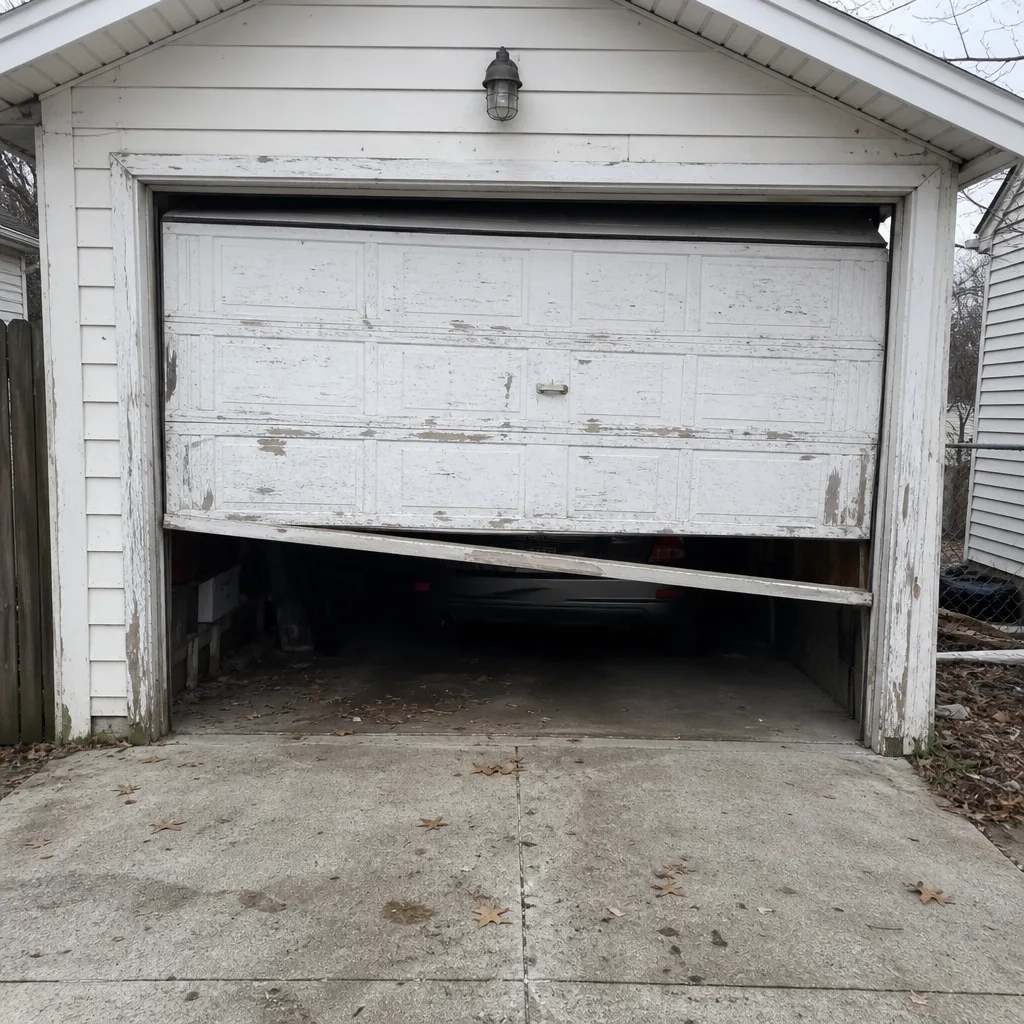 Before
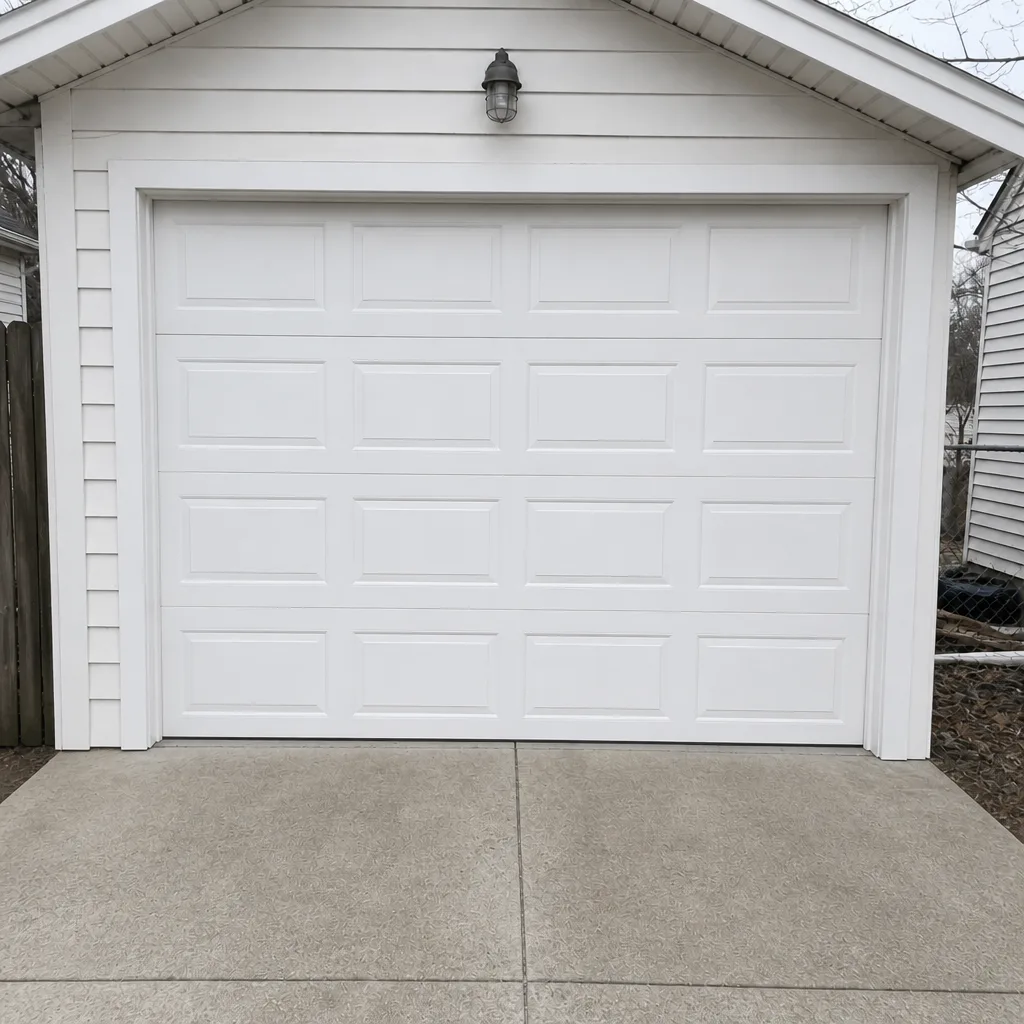 After
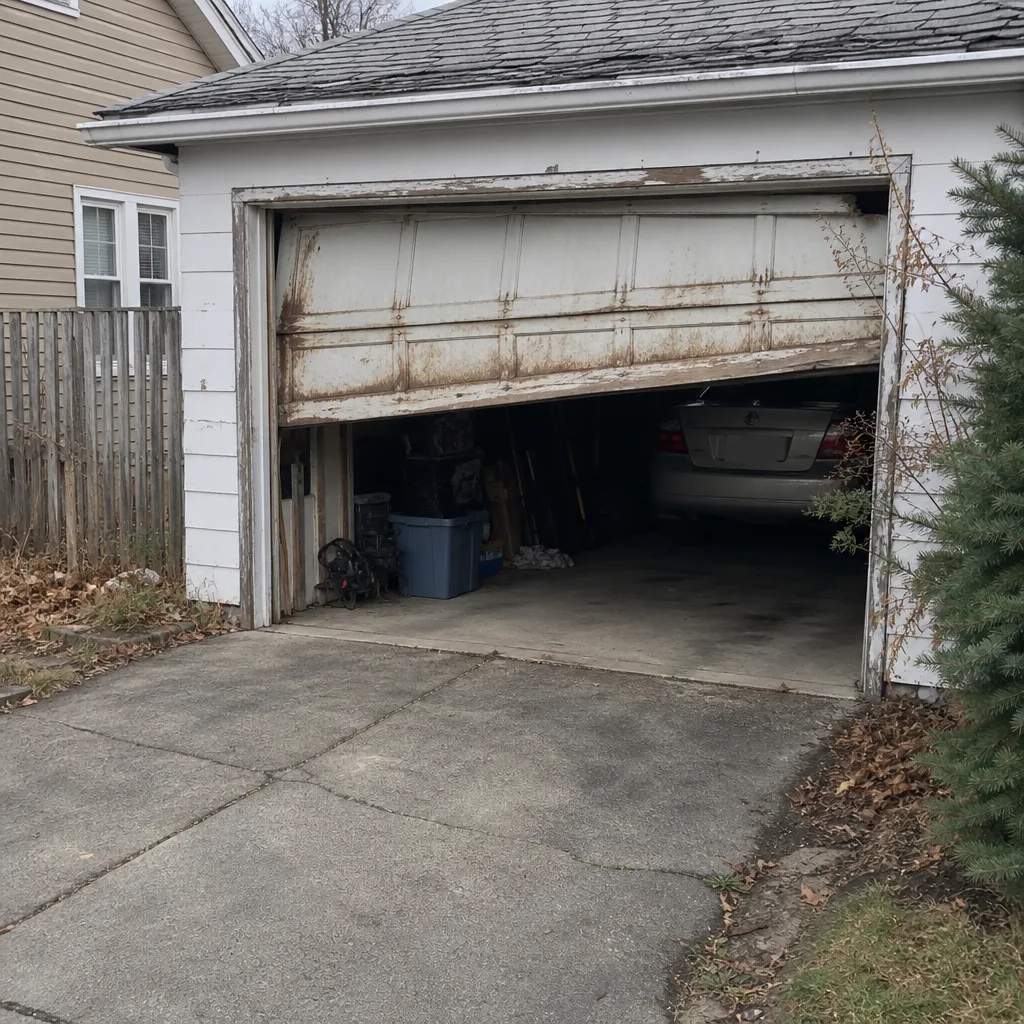 Before
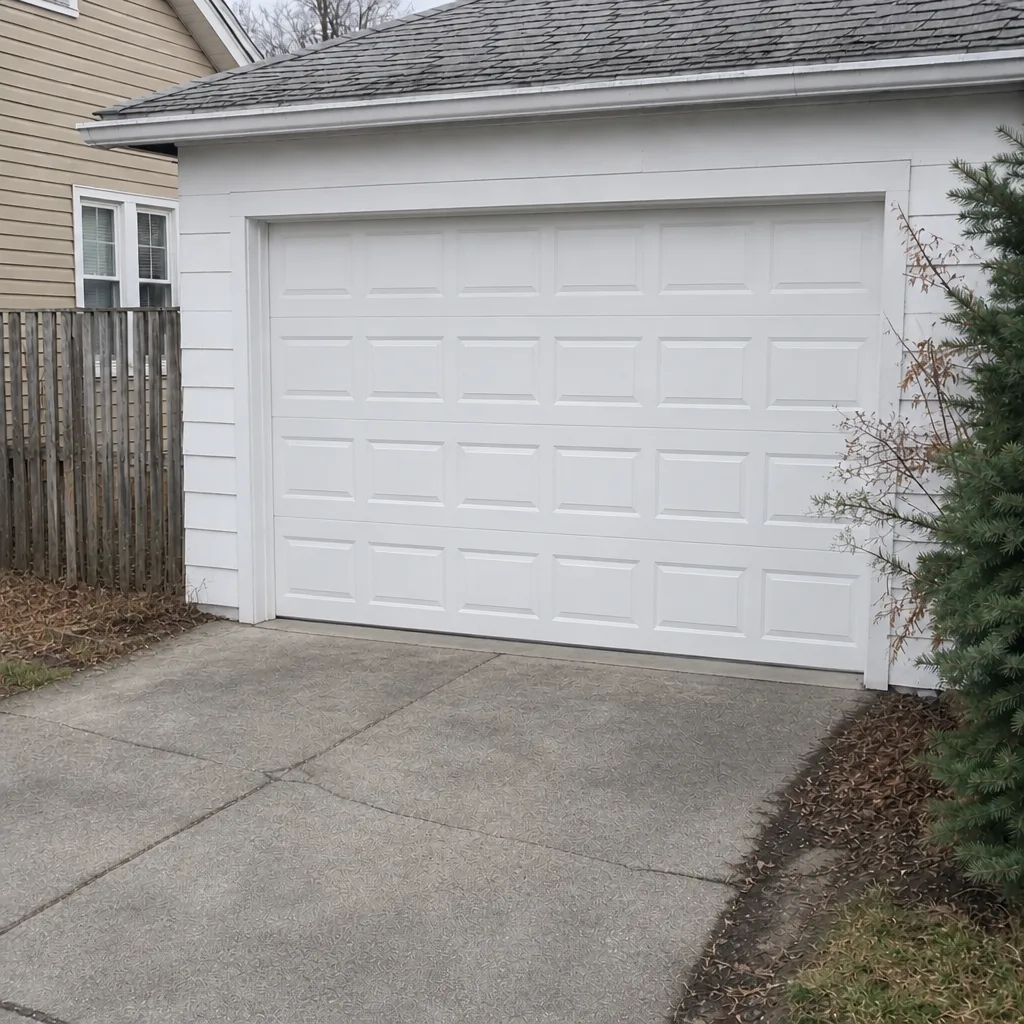 After
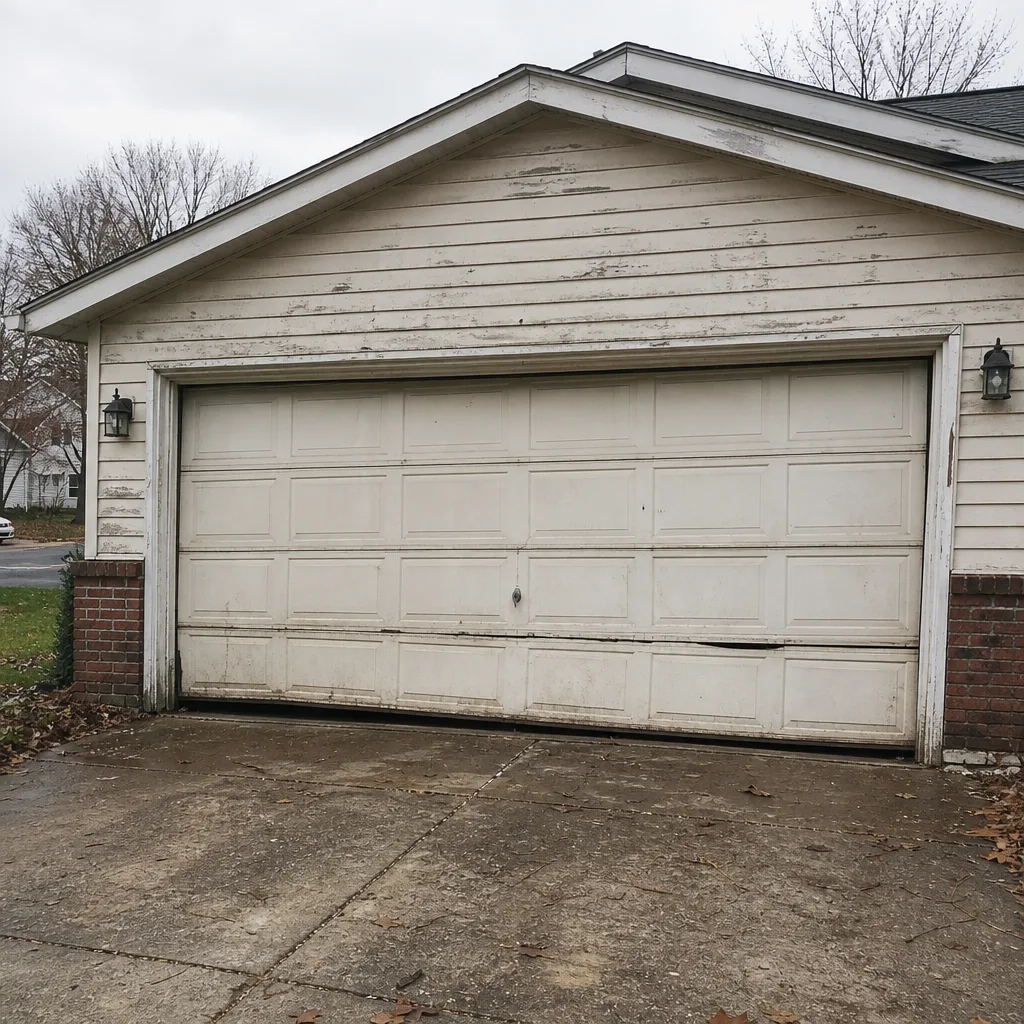 Before
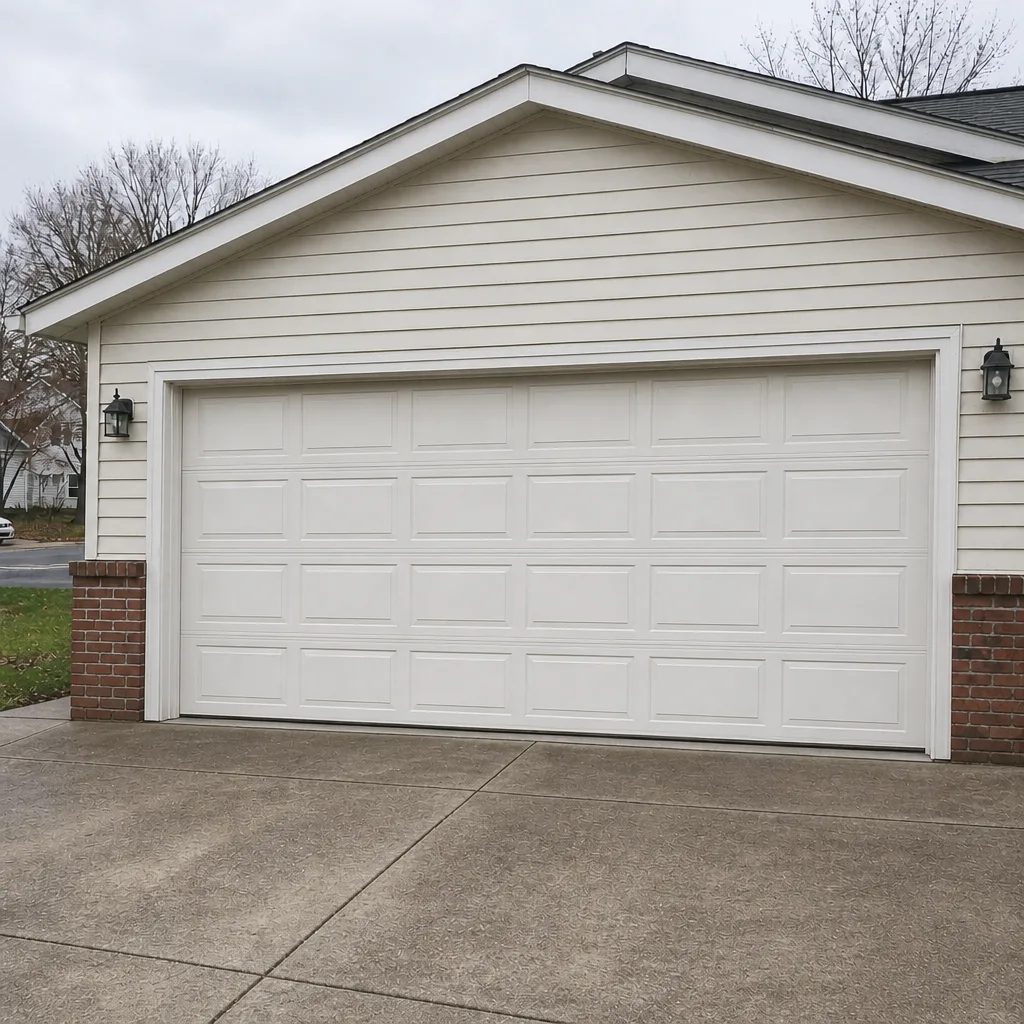 After
When to Call a Professional
Call a professional the moment you see a broken spring, a slack or frayed cable, a door that won’t stay up when lifted by hand, or any door that moves unevenly. Call this week for grinding at a specific point in the cycle, roller noise, sensor lights that stay on when nothing’s blocking them, or a bottom seal that’s failing. Tier 1 monitoring is fine if the symptom is stable, but a week of watching is enough to know whether it’s settling down or getting worse. Don’t touch a spring or cable yourself; those carry enough stored energy that the wrong move can cause real injury, and the fix is quick when somebody qualified handles it.
Southgate Garage Door Service offers free estimates in Syracuse – call (855) 360-7984. We answer 24/7, with fast dispatch from 7am to 7pm, Sunday through Friday. Our technicians have up to 10 years of experience across the major brands: LiftMaster, Chamberlain, Genie, Clopay, Amarr, Wayne Dalton, Craftsman, and Raynor.
Frequently Asked Questions
Spring repair in Syracuse typically runs somewhere in the range a technician can confirm after seeing the door, and the written estimate you get is the price you pay. Spring prices are quoted per spring, and most doors use a matched pair, so a pair costs roughly twice a single spring. The estimate is set before any work begins. Call (855) 360-7984 for an exact quote; estimates are free.
Yes, most repair calls in Syracuse can be handled the same day depending on the schedule. We answer 24/7 and run fast dispatch from 7am to 7pm, Sunday through Friday, so a call in the morning usually gets a technician out before the end of the day. A call outside those hours is booked into the next opening. Call (855) 360-7984 to check availability.
No, the price is quoted and agreed before any work begins. The technician looks at the door, diagnoses what’s failing, and writes up the estimate. Only after you approve it does the work start. If it turns out to be something different from what the call suggested, you’ll hear about it before anything changes. Call (855) 360-7984 for a free estimate.
Yes, our technicians are licensed and insured. We specialize in residential and light-commercial garage door work exclusively, including repair, opener repair, and new installation, so nobody gets handed off to a generalist mid-project. Our technicians have up to 10 years of experience across the major brands. Call (855) 360-7984 with any questions about a specific job.
If one system is failing (a spring, the opener, the rollers) and the panels are structurally sound, repair usually solves it. If several systems are failing at once, if the panels are bowed or rusted through, or if you’re calling for the same fix every year, replacement tends to be the better long-term value. A free estimate will lay out both paths so you can decide. Call (855) 360-7984 to schedule one.
Tier 1 signs (squeaks, minor noise, slowing first cycle) are safe to watch for one to two weeks. Tier 2 signs (bent tracks, roller wear, sensors acting up) deserve a call the same week. Tier 3 signs (broken spring, slack cable, door that won’t stay up) need a call today and no further use of the door. If you’re unsure which tier you’re in, call (855) 360-7984 and describe what you’re seeing.
The Bottom Line
Garage door warning signs are only useful if you can tell which system they’re coming from. Group them by component – springs and cables, tracks and rollers, the opener, panels and hardware, or seals – and the pattern tells you both the likely fix and how urgent the problem is. Syracuse winters push a specific set of seasonal signals, and knowing which ones clear up in the cold and which ones don’t saves you a lot of guesswork. Tier 1 signs are safe to watch for a week. Tier 2 gets a call this week. Tier 3 means don’t touch the door. Repair is almost always the right answer when the door is otherwise sound. When several systems fail at once, replacement becomes the better value. If you’re not sure which situation you’re in, call and describe what you’re seeing.
Call (855) 360-7984 for a free estimate. We answer 24/7 with fast dispatch from 7am to 7pm, Sunday through Friday.
Written by the team at Southgate Garage Door Service.