
Last updated November 15, 2026
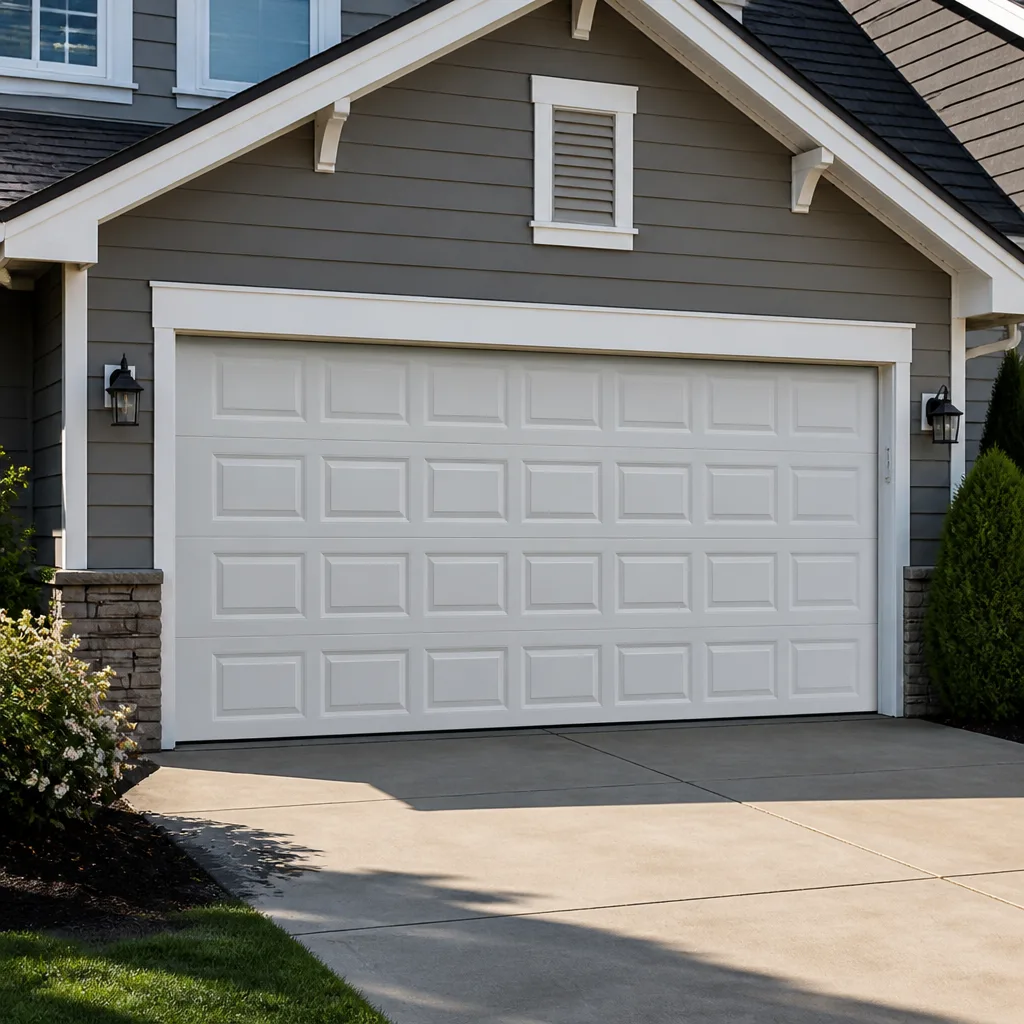 Raised-panel steel
 Carriage house
 Modern flush
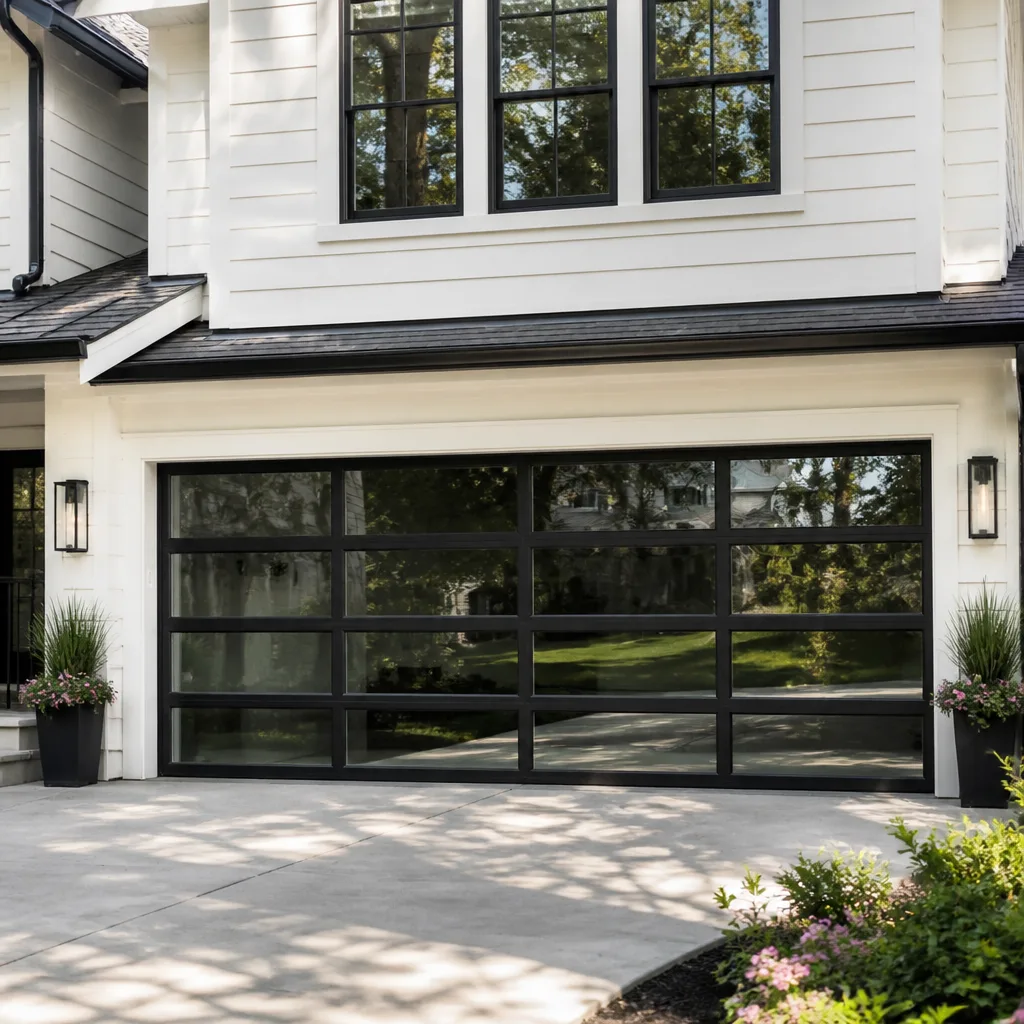 Full-view glass
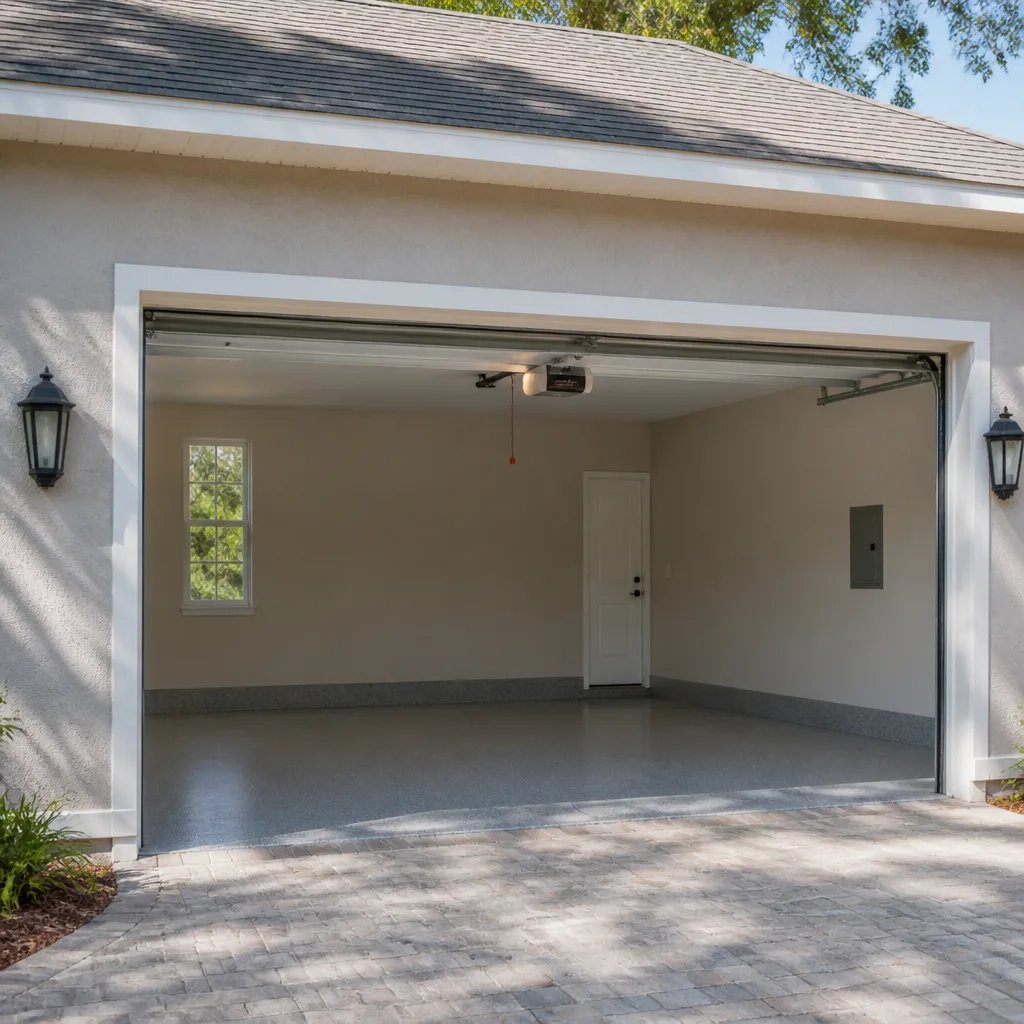 LiftMaster openers
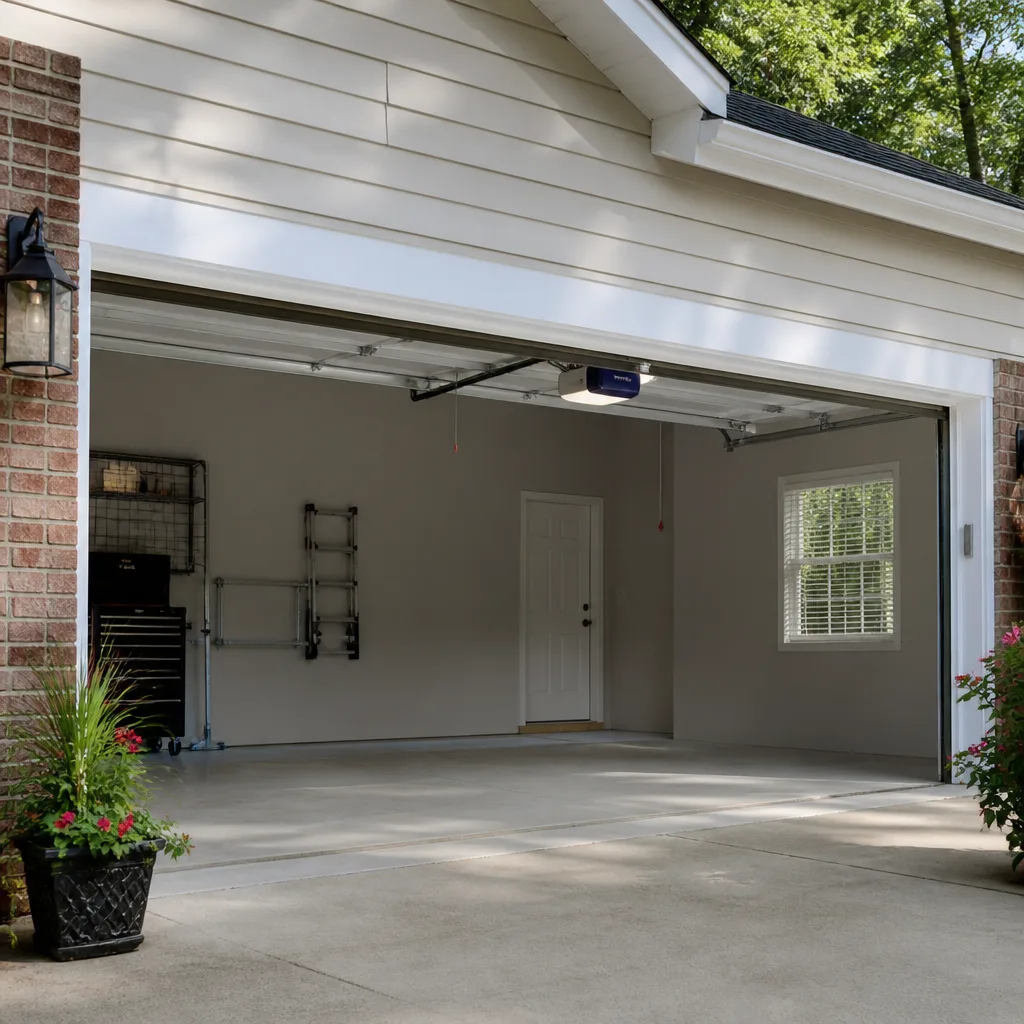 Chamberlain openers
Full 25-point door and opener safety check with every visit - springs, cables, rollers, tracks, and your LiftMaster or Chamberlain opener included
You get a price before we start. It does not change when the pro arrives.
Get your free estimateSeasonal Garage Door Care for Syracuse: Year-Round Homeowner’s Guide
October is when most Syracuse homeowners think about weatherizing their garage door. By then, they’ve already missed the window to fix the damage August humidity did to the wood panel joints, damage that will show up as warping by February. Garage door care in Syracuse isn’t a single fall checklist; it’s a calendar built around six distinct stress periods, from the freeze-thaw grind of March to the July humidity spike that quietly loosens joints and swells wood. This guide maps each season to the parts of your door that take the hit, with specific steps for each window. Read it once, then keep it handy as the year turns.
Quick Answer
Seasonal garage door care in Syracuse means matching maintenance to six local stress periods: winter cold and snow load, the March freeze-thaw cycle, spring thaw and debris, summer heat and humidity, the August-September humidity-to-freeze transition, and late fall pre-winter prep. The single highest-value task is replacing a worn threshold seal before winter, since it’s the part that keeps meltwater away from your panels. Lubricate with a cold-rated product before temperatures drop below 10°F, and inspect springs, rollers, and tracks at each seasonal change.
Styles & brands we work with
- Raised-panel steel
- Carriage house
- Modern flush
- Full-view glass
- LiftMaster openers
- Chamberlain openers
Table of Contents
- Why Syracuse Is Hard on Garage Doors
- Winter Care: Cold, Snow Load, and Frozen Seals
- The March Freeze-Thaw Window
- Spring Inspection After a Syracuse Winter
- Summer Heat and the July Humidity Spike
- August and September: The Window Most Homeowners Miss
- Ice Dams at the Garage Door Threshold
- The Pre-Winter Lubrication Protocol
- Common Mistakes to Avoid
- When to Call a Professional
- Frequently Asked Questions
Why Syracuse Is Hard on Garage Doors
A garage door in Syracuse faces more seasonal transitions in one year than the same door would face in a decade in a milder climate. The door is the largest moving object on most homes, and it’s the one piece of the building that goes through a full open-close cycle several times a day while its materials expand in July heat and contract in January cold. That cycle of expansion and contraction is what wears parts out, not just the cold itself.
Syracuse winters bring lake-effect snow and repeated freeze-thaw cycles. That combination is the real enemy. Water melts into seams, gaps, and the bottom seal, then refreezes and expands. Do it forty times in a season and wood joints open, steel panels flex, and seals tear. By the time a homeowner notices, the damage is often structural rather than cosmetic.
Summers matter just as much, and this is where most local advice falls short. Syracuse humidity in July and August works its way into wood panel joints, swelling the grain and softening the finish. When the first real cold arrives, that moisture freezes inside the joint and the wood splits. If you only think about your garage door in November, you’re already a season behind.
We’ve seen all of it on doors across the area, and the pattern is consistent: the doors that last are the ones where the homeowner does a little work at each seasonal change rather than one big push in October. The good news is that this doesn’t require special tools or deep mechanical knowledge. Most of it is observation, cleaning, and lubrication, with the occasional call to a professional for the parts you shouldn’t touch yourself.
Winter Care: Cold, Snow Load, and Frozen Seals
Winter is when a garage door works hardest and complains loudest. Cold thickens lubricants, stiffens seals, and makes metal less forgiving. The door you barely noticed in September becomes a source of grinding, sticking, and hesitation every morning. A few winter habits keep that from turning into a mid-January repair.
Start with the bottom seal. When temperatures drop below freezing, a rubber seal that was flexible in October becomes stiff and brittle. If it’s already cracked or missing chunks, snow and meltwater get under the door and freeze against the threshold, and the door can bond to the floor overnight. Never force a frozen door open; that’s how bottom brackets and cables get damaged. Break the ice loose first, or wait for it to release.
Keep the tracks clear of packed snow and ice. A snow shovel thrown against the door frame is common after a storm, and grit gets into the track where it turns into a grinding paste. Wipe down tracks with a dry cloth once the worst of the weather passes, and avoid de-icing salt buildup at the base where the rollers travel.
Don’t let snow accumulate against the door itself. Snow load against a closed door puts pressure on the bottom panel and the seal, and when it melts and refreezes it works into the seams. A quick clearing after each storm is worth more than it looks.
And this is not the season to skip lubrication. Cold weather is exactly when a dry hinge or roller starts to seize, and a seized component puts extra load on the spring and opener. Use a lubricant rated for low temperatures, not a general-purpose oil that thickens into a sticky film below freezing. We’ll come back to the specifics in the lubrication section.
The March Freeze-Thaw Window
March is the most punishing month for a garage door in Syracuse, and almost nobody plans for it. Days climb above freezing, nights drop back below, and the cycle repeats. That means moisture gets into every crack and joint during the day and expands at night. It’s the same physics that cracks driveways, and your garage door is not immune.
What to watch for during this window:
- Water pooling at the threshold. If meltwater sits against the bottom seal and refreezes, it will eventually tear the seal and start working at the bottom panel. This is also the season ice dams form at the door (covered below).
- Sticking or groaning when the door opens. Cold-thickened lubricant plus a bit of moisture in the tracks makes the door work harder. That extra load goes straight to the opener and the spring.
- Panel seams opening. Look along the joint between panels where the finish has started to lift. That’s where moisture gets in, and once it’s in, freeze-thaw widens the gap.
- Rust blooms on steel. Small orange spots near the bottom edge and around hinges are the first sign moisture is reaching bare metal.
The March tasks are simple: clear any standing water away from the threshold, dry the bottom seal when you can, and reapply lubricant to hinges, rollers, and the spring if your door has an exposed torsion spring. Check that the tracks haven’t been pushed out of alignment by frost heave. If the door’s travel feels uneven, stop using it and have it checked. A door that comes off its track in March is a much bigger repair than a door that was adjusted in February.
The freeze-thaw window is also the right time to look at the threshold seal itself. If it’s cracked, hardened, or pulling away from the door, replace it before the next round of refreezing. This is the one maintenance task that protects everything else, and it’s the one almost everyone defers too long.
Spring Inspection After a Syracuse Winter
Spring is when you find out whether the door “made it through fine.” In our experience, “fine” usually means “the damage isn’t obvious yet.” A winter of freeze-thaw and snow load leaves its marks slowly, and a careful spring inspection catches them before they turn into summer failures.
Run through this checklist in order:
- Open and close the door and listen. A healthy door is quiet and even. Grinding, squealing, or a door that hesitates at the same point every time means something is binding or worn.
- Check the balance. Pull the release handle, then lift the door halfway by hand and let go. A properly balanced door stays put. One that drops or rises on its own has a spring problem, and that’s a job for a professional.
- Inspect the bottom seal and threshold. Look for tears, hardening, or gaps at the corners. This is the biggest deferred task in the trade.
- Look at the panels. Run a hand along the seams between panels to feel for swelling or separation. Check for rust at the bottom edge.
- Test the safety reverse. Put a small object under the door and close it. The door should reverse on contact. If not, the opener needs adjustment before anyone uses it.
- Clear the tracks. Remove grit, leaves, and the winter’s worth of debris from the track channels.
- Check the weatherstripping around the frame. If it’s cracked or missing, cold air and moisture are getting in, which affects both the door and the rest of the garage.
If you find a broken spring, a frayed cable, or a door that’s visibly off its track, stop there. Those are the parts of a garage door that cause serious injury when handled without the right tools and training. A spring under tension can release violently, and cables carry enormous force. Call a professional for those, and don’t try to work around them.
Summer Heat and the July Humidity Spike
July in Syracuse is not just hot, it’s humid, and that humidity is doing more to your garage door than most homeowners realize. Wood panels absorb moisture through their joints and end grain, swelling slightly. Steel panels expand in the heat. Both then shrink back when the weather breaks, and the cycle repeats. Over a season, joints that were tight in May are loose by September.
The humidity spike matters most for wood and wood-composite doors, but steel and aluminum doors aren’t immune. Moisture gets behind the finish at hinges, around windows, and at the bottom edge, and that’s where rust starts. Once it starts, summer is the worst time to leave it, because heat accelerates the corrosion process.
What summer care looks like:
- Keep the door’s finish intact. Touch up bare spots and paint chips on steel doors promptly. On wood doors, the finish is your only protection against moisture uptake, so any peeling or cracking paint needs attention before fall.
- Lubricate with a heat-stable product. Summer heat thins some lubricants and makes them run, leaving hinges dry. Reapply mid-summer if the door sounds squeaky.
- Check the opener. Heat puts extra load on opener motors, and a unit that’s been running hot all summer may fail in August. If your opener is a LiftMaster or Chamberlain unit with a battery backup, test the battery before storm season. If it’s a Genie or an older Chamberlain model without backup, consider whether a modern opener makes sense before winter.
- Keep the garage ventilated. A garage that holds hot, humid air is a greenhouse for moisture damage. If your garage has vents or a window, use them. If it doesn’t, a small dehumidifier during the worst of July and August makes a real difference to wood doors.
Summer is also the right season to assess whether a repair or a new door is the better long-term call. If your door is showing multiple failing joints, rust at the bottom, and a seal that won’t stay put, a replacement may cost less over the next several years than repeated patching. A Clopay or Amarr door makes sense for homeowners who are replacing rather than repairing, and we’ll walk you through the trade-offs rather than steer you toward a sale.
August and September: The Window Most Homeowners Miss
This is the part of the calendar that gets ignored, and it’s the part that matters most. August and September are the transition window, the time between humid summer and hard freeze. Whatever damage July did to your door’s joints and finish, August is when you can still fix it before winter locks it in. Wait until November and you’re repairing frozen damage rather than preventing it.
Here’s what’s actually happening in August. The wood in your panels has absorbed as much moisture as it will all year. Joints are at their widest. The finish has been baking in the sun. Then September arrives, temperatures drop, and the wood shrinks back. If a joint has started to open or a finish has started to crack, that shrink-and-freeze cycle splits it wide open.
The August-September tasks are straightforward:
- Inspect every panel joint. Run a hand along the seams and look for gaps, swelling, or finish that’s starting to lift. Address any moisture-damaged joint before the first freeze.
- Refresh the finish. Late summer is the right time to repaint or reseal a wood door. It needs a window of dry weather to cure before the cold, and August through September usually provides that.
- Treat rust spots. Sand, prime, and touch up any rust you find on steel panels. Don’t leave bare metal going into winter.
- Check the seal and weatherstripping. Late summer is the right time to replace a worn threshold seal, before the ground freezes and the job gets harder.
- Look at the opener’s battery backup. If your opener has one, test it now. Ice storms and winter power outages are coming, and you want to know the battery works before you need it.
- Schedule a professional inspection. If you’re unsure about the springs, cables, or balance, have them checked before winter. Spring failures happen more often in cold weather, and the time to catch a tired spring is in September.
This is the single most important window in the Syracuse calendar. Every autumn, we see doors come in for repair where the damage started in August and the homeowner didn’t notice until the door stopped working in January. A couple of hours of work in late summer prevents most of it.
Ice Dams at the Garage Door Threshold
Ice dams form at the garage door threshold when meltwater from the roof, driveway, or surrounding snow runs down and refreezes against the bottom seal. It’s a uniquely local problem, and it’s driven by the slope of the site. Syracuse’s hilly neighborhoods, where driveways pitch down toward the garage, are the worst offenders. Water runs toward the door, hits the cold threshold, and freezes.
The result is a ridge of ice that pushes against the bottom seal and, over time, breaks it. Once the seal is broken, water gets under the door and freezes against the bottom panel, and that’s when warping and rust set in.
How to manage it:
- Keep the area clear. After each storm, clear snow from the driveway near the garage door and from the base of the door itself. This is the single most effective prevention.
- Check your drainage. If your driveway has a low spot near the door, meltwater will collect there and freeze. A gravel channel or a small grade adjustment can move the water away.
- Use a rubber mallet, not a metal tool, to break up ice. A shovel or an ice chopper against the door can crack panels or tear the seal. If the ice is stubborn, use a de-icing product that’s safe for garage door seals and nearby concrete, and wait.
- Replacing a damaged threshold seal is the long-term fix. A fresh, flexible seal is more resistant to ice damage than a hardened one, and it’s what keeps meltwater out of your panels.
If the ice dam problem is recurring every winter, it’s worth having the threshold and the slope of the driveway checked together. A seal replacement or a small grade fix can make the difference.
The Pre-Winter Lubrication Protocol
Lubrication is the task everyone knows about and almost everyone does wrong for Syracuse’s winter. Standard lubricants thicken below freezing, and below 10°F they can turn into a sticky film that actually slows the door and increases load on the opener. The right protocol uses a cold-rated product and hits the right parts.
Here’s how we recommend doing it before the first hard freeze:
- Use a cold-rated lubricant. A white lithium grease or a silicone-based spray rated for below-freezing temperatures works well. Avoid WD-40 as a long-term lubricant; it’s a penetrant, not a lasting grease, and in cold weather it leaves hinges dry.
- Clean first. Wipe each hinge and roller with a dry cloth before applying anything. Lubricating over grit is worse than not lubricating.
- Hit the hinges. Apply a small amount to the pivot points of each hinge. Don’t overdo it; a little goes a long way, and excess attracts dirt.
- Lubricate the rollers. A drop on the roller shaft, not on the ball bearing, is what you want.
- Check the spring (from a safe distance). If your door has an exposed torsion spring, apply a light coat of lubricant along the coils. Never touch a spring under tension; if it looks corroded or you haven’t had it inspected, call a professional.
- Run the door a few times. Cycle it up and down several times to distribute the lubricant, and listen for any remaining grinding or squealing.
Do this in October or early November, before the first hard freeze. If your door is used heavily, you may want a second application in January. The spring and hinge lubrication protocol alone prevents a lot of winter opener strain.
Common Mistakes to Avoid
- Waiting until November to think about winter. By November, the damage from August humidity is already done. The most important prep happens in late summer, not after the first freeze.
- Using a general-purpose lubricant in winter. A lubricant that thickens below freezing forces the opener to work harder and can leave hinges dry. Use a cold-rated product.
- Forcing a frozen door open. Yanking on a door that’s bonded to the threshold by ice damages the bottom bracket, cable, and seal. Break the ice loose first.
- Skipping the threshold seal. A worn threshold seal is the most deferred maintenance item on Syracuse garage doors, and it’s the one that protects every panel above it. Replace it before winter, not after.
- Choosing a door type without thinking about the local climate. A wood door needs more finish maintenance in a Syracuse climate than a steel or composite door. Neither is wrong, but the choice affects your seasonal routine. We’ll talk you through Clopay, Amarr, and other options based on fit and budget, not brand loyalty.
- Ignoring the opener until it fails. The opener takes the load all year. If it’s sluggish, noisy, or the battery backup hasn’t been tested, address it in the off-season rather than waiting for a cold morning when you need to get out.
- Chipping ice with a metal tool. Ice choppers and shovels against the door crack panels and tear seals. Use a rubber mallet or a de-icing product.
When to Call a Professional
Most garage door work is homeowner-friendly, but some of it is genuinely dangerous, and knowing the difference matters. Call a professional whenever the problem involves springs, cables, or anything that requires the door to come off its track. A torsion spring under tension carries enough force to cause serious injury if it releases unexpectedly, and a frayed cable can snap without warning. If a spring looks corroded, is visibly broken, or your door has lost its balance, stop using the door and have it checked. The same applies to any electrical work on the opener beyond changing a battery.
Other signals that it’s time for a call: a door that grinds, hesitates, or runs unevenly; a door that’s off its track; panels that are separating; and repeated threshold seal failures that suggest a drainage problem. If a door needs a repair that’s beyond your comfort level, or if you’re not sure whether a repair or replacement is the better call, an inspection tells you what you’re dealing with. Southgate Garage Door Service works on products from LiftMaster, Chamberlain, Genie, Clopay, Amarr, Wayne Dalton, Craftsman, and Raynor, so most systems you already own are covered. Our technicians have up to 10 years of experience. Southgate Garage Door Service offers free estimates in Syracuse – call (855) 360-7984.
Frequently Asked Questions
Four times a year, ideally timed to the seasonal changes: late fall before the first freeze, late winter during the freeze-thaw window, early spring after the thaw, and late summer before the humidity breaks. The late summer check is the one most homeowners skip, and it’s the one that prevents the most damage. Doing it four times a year takes less time overall than fixing what a skipped season causes.
Replacing a worn threshold seal. It’s the part that keeps meltwater and ice away from your panels and the bottom of the door, and it’s the single most deferred maintenance item we see. A fresh, flexible seal is also more resistant to ice damage, which matters during the March freeze-thaw cycle. If you’re unsure whether yours needs replacing, check for cracks, hardening, or gaps at the corners.
Yes, lubricating hinges, rollers, and tracks is a homeowner-friendly task, as long as you use a cold-rated lubricant and stay away from the spring and cables. Never touch a torsion spring under tension, and don’t reach for the cables. If anything about the spring or cable looks worn or corroded, call a professional rather than inspect it closely yourself. Call (855) 360-7984 for an exact quote on any repair – estimates are free.
If the damage is limited to the seal, weatherstripping, or a single panel, repair is usually the better call. If the door has multiple failing joints, rust that’s spread beyond a few spots, or a balance problem that keeps returning, replacement is often more cost-effective over the next several years. We assess both paths honestly, since we work across Clopay, Amarr, and other brands rather than pushing one product. An inspection gives you a real comparison rather than a guess.
Because March is the freeze-thaw month. Meltwater gets into the tracks and the bottom seal during the day and refreezes at night, and the repeated cycle creates binding. Cold-thickened lubricant makes it worse. Clearing standing water, drying the seal when you can, and reapplying a cold-rated lubricant usually resolves it. If the door still sticks after that, the track alignment or a roller may need attention.
Yes, wood doors need more attention to the finish than steel or composite doors, especially in July and August when humidity swells the joints. Any peeling or cracking paint is a pathway for moisture, so touch it up promptly and plan to refresh the finish every few years. If you’re replacing a wood door, a steel or composite option reduces the seasonal finish work, though it still needs the same lubrication and seal checks.
The Bottom Line
Garage door care in Syracuse isn’t one fall weekend of work; it’s a year-round rhythm built around local seasons. The March freeze-thaw window and the August-September humidity transition cause more damage than the deep cold of January, and both are easy to miss. Replace a worn threshold seal before winter, keep your lubricant cold-rated, and inspect springs, rollers, and tracks at each seasonal change. When the job involves springs, cables, or a door that’s off its track, call a professional rather than risk it.
Ready to get your door on a seasonal schedule? Call Southgate Garage Door Service at (855) 360-7984 for a free estimate. We answer 24/7, with fast dispatch from 7am to 7pm, Sunday through Friday. Whether you need garage door repair, garage door opener repair, or a full new door, we work on what you already have across the brands you know. Most brands, diagnosed right the first time. Learn more about Southgate Garage Door Service and our work across Syracuse.
Written by the team at Southgate Garage Door Service.
See the difference
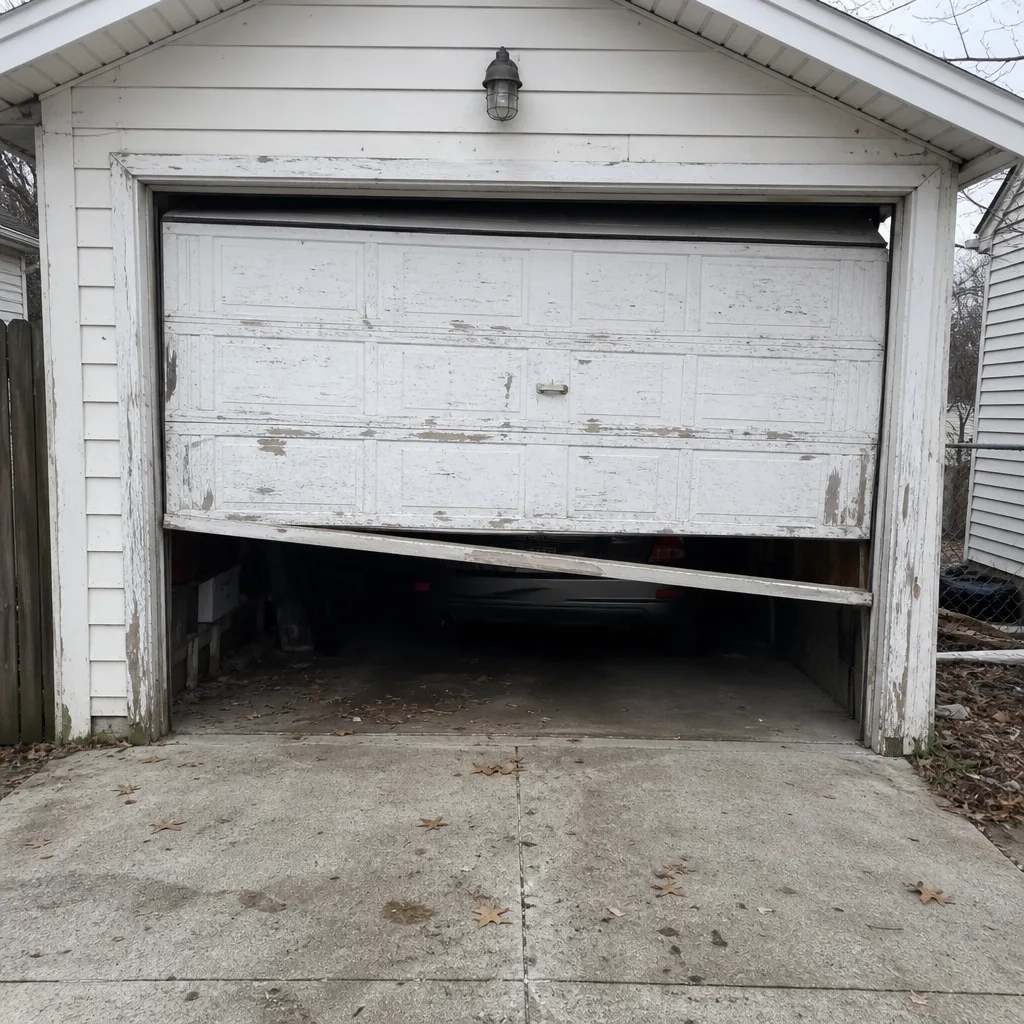 Before
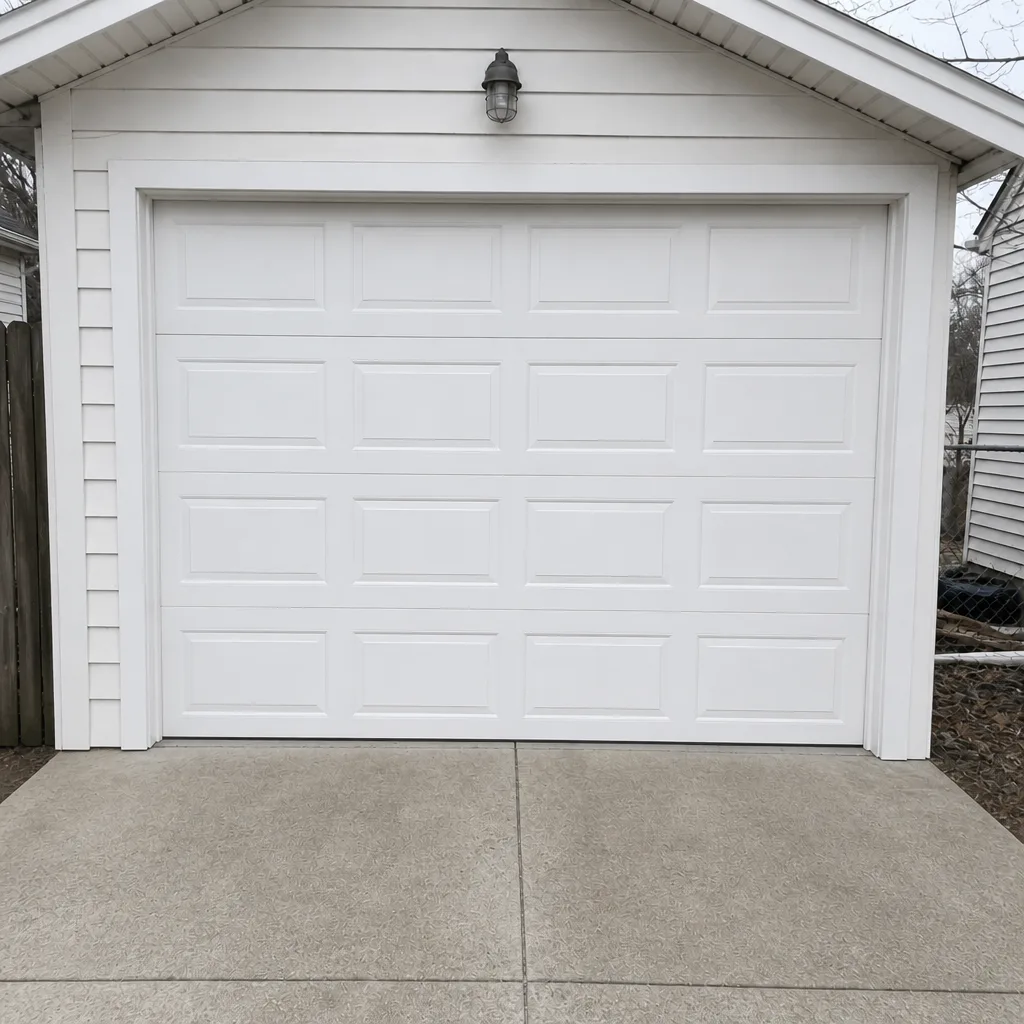 After
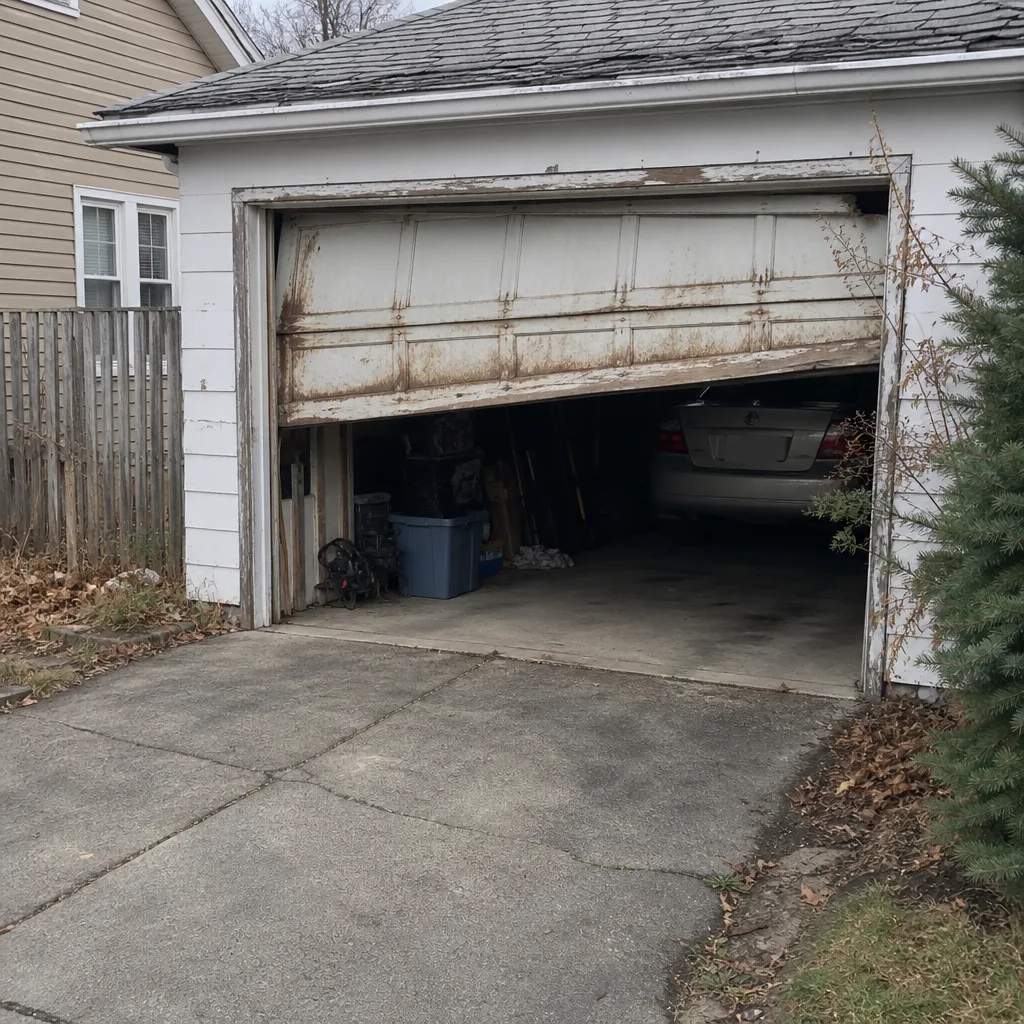 Before
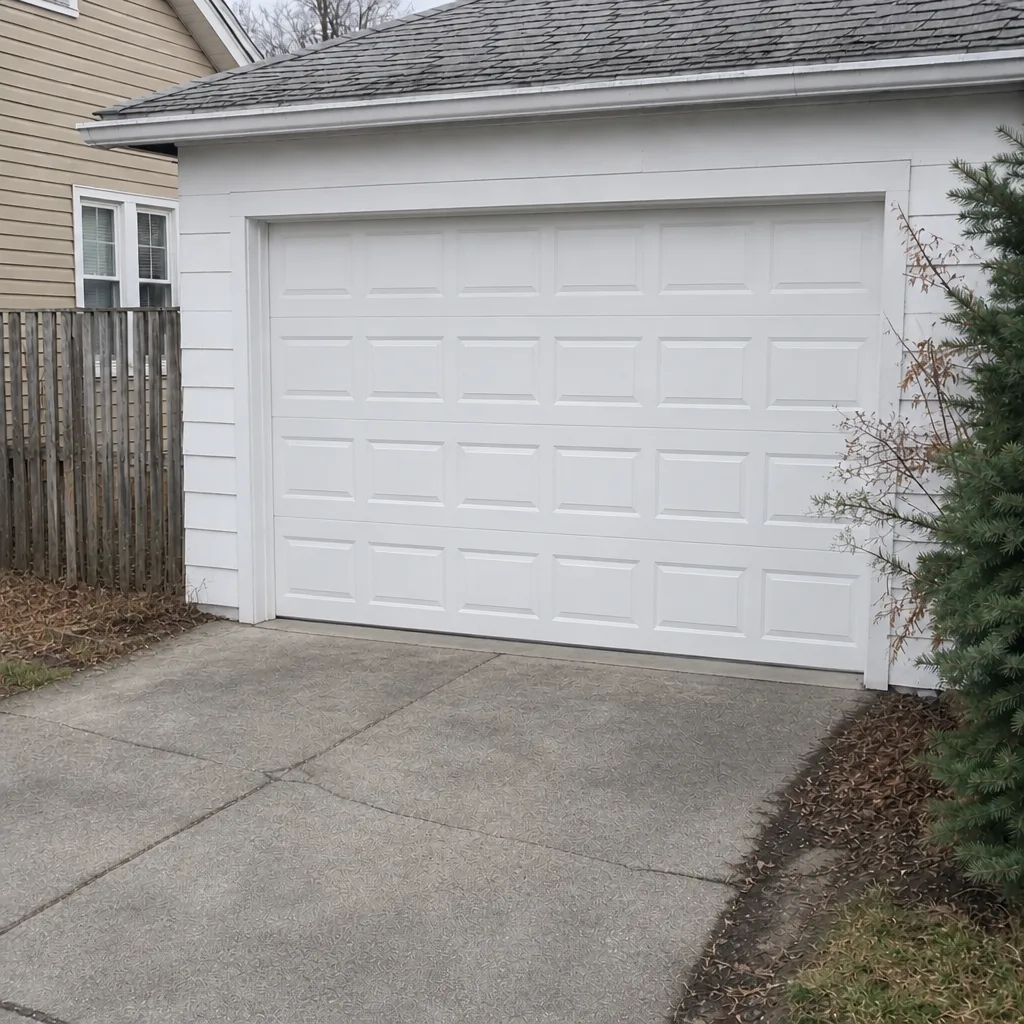 After
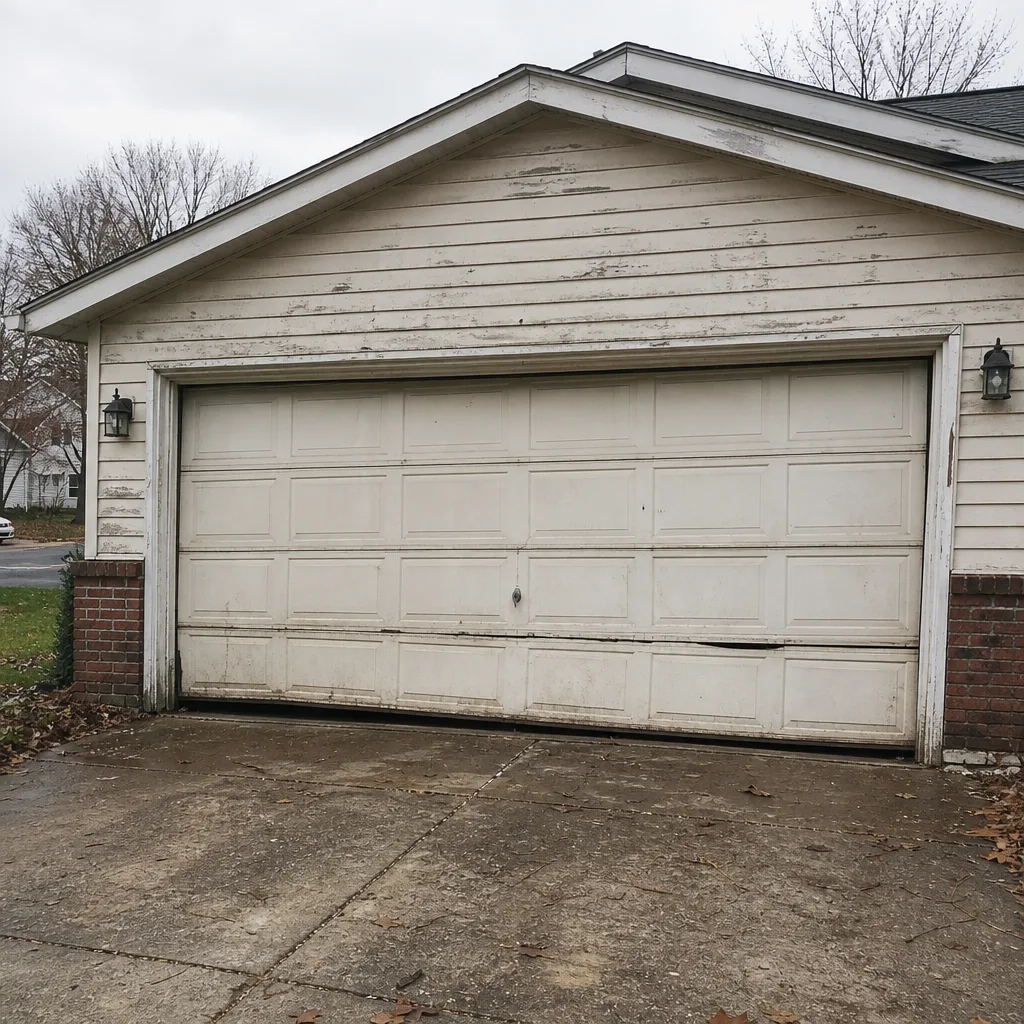 Before
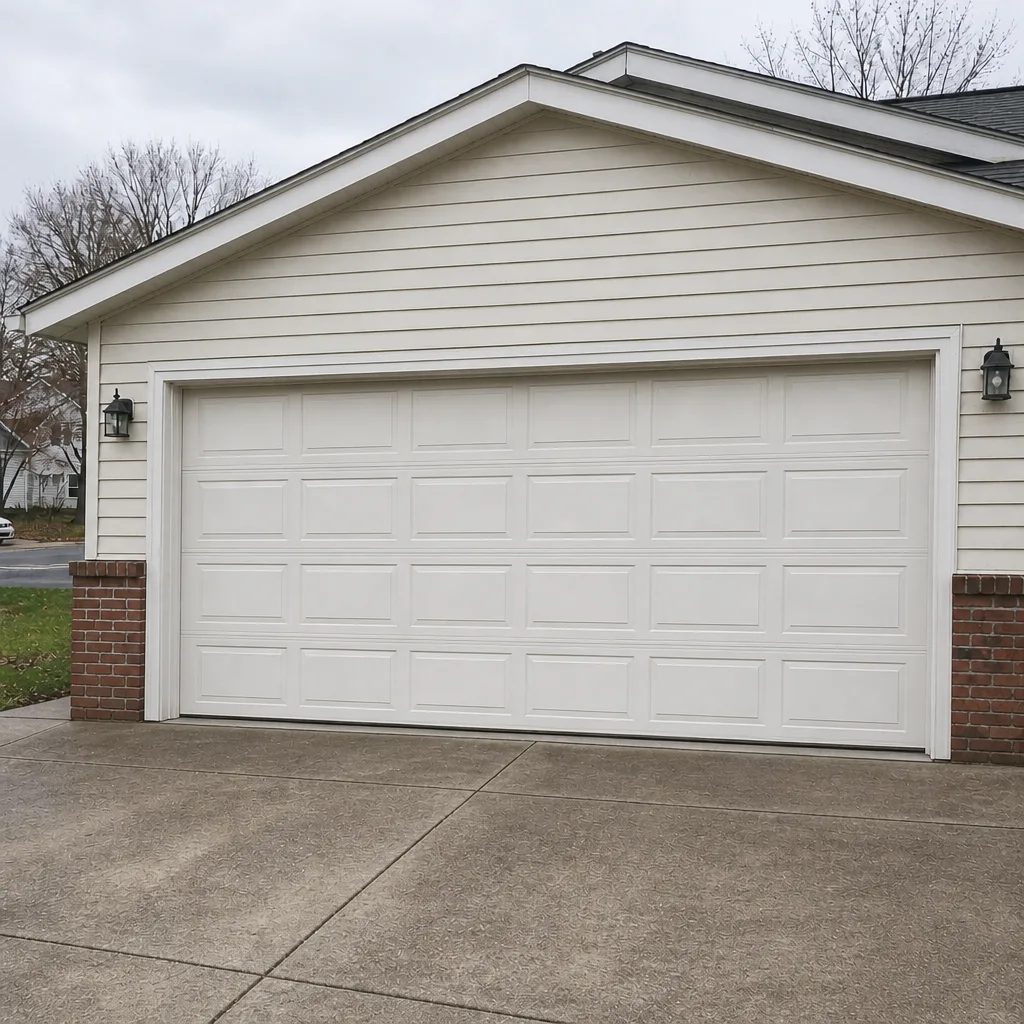 After